Xuancheng and Jixi A Rail Linked Huizhou Weekend
A practical guide to Xuancheng and Jixi A Rail Linked Huizhou Weekend.

Why the Xuanji HSR changes a Huizhou weekend
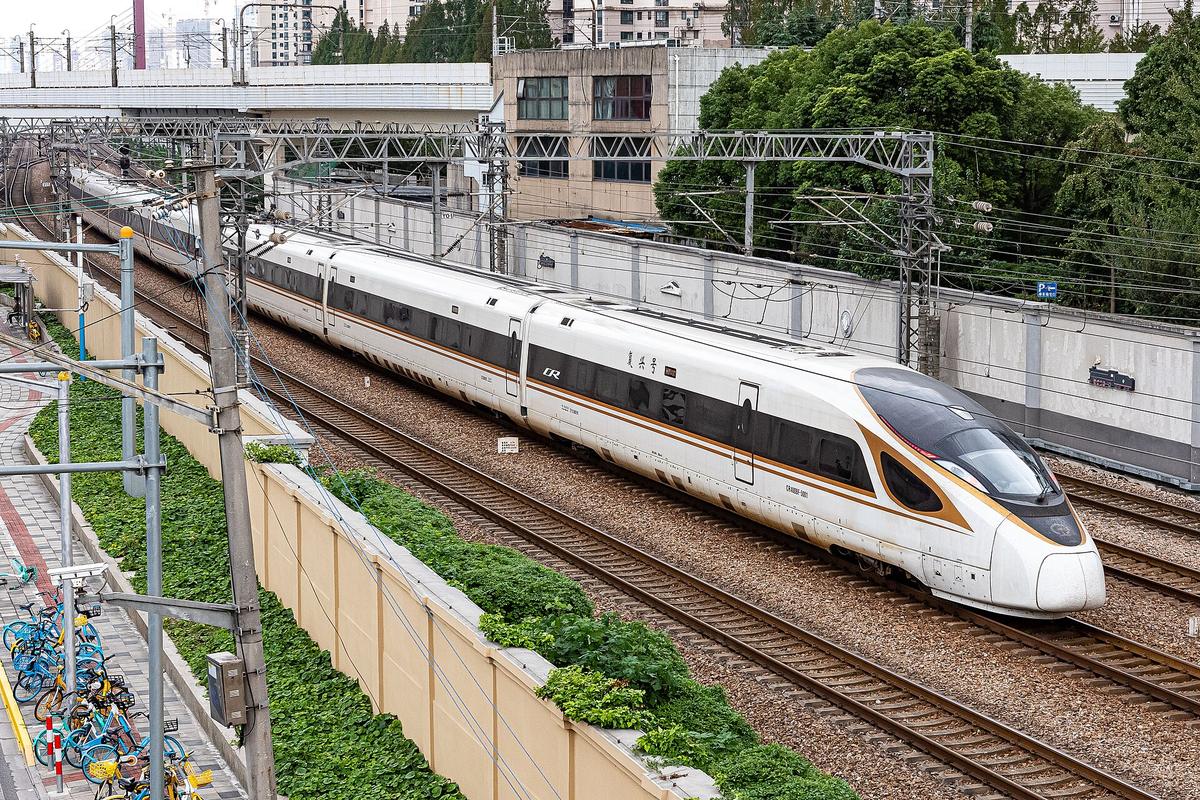
The Xuancheng-Jixi high-speed railway, which opened in October 2024, has quietly redrawn the weekend map for anyone curious about southern Anhui. The 115-kilometre line links Xuancheng’s urban core with Jixi County, a nationally designated Historical and Cultural City and one of the cradles of Huizhou culture. Before the railway, stitching these places together meant slower road transfers or longer rail detours. Now the fastest scheduled journey between the two endpoints takes 39 minutes, making it practical to wake up in one town and be walking through a Ming-dynasty ancestral hall by mid-morning.
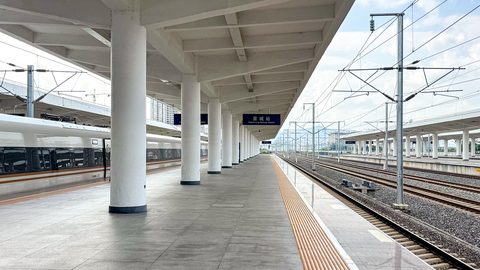
The line itself is compact: three stations along a route designed for 350 km/h operation. Xuancheng Station serves as the northern terminus, where the new railway meets the Hefei-Hangzhou HSR. Ningguo South Station, built fresh for this line, sits between the two ends. At the southern tip, Jixi North Station plugs into both the Hefei-Fuzhou HSR and the Hangzhou-Nanchang HSR. That junction turns Jixi into a surprisingly well-connected base for a short trip, especially for travellers coming down from the Yangtze Delta. From Nanjing South Station, the fastest routing via the new line reaches Jixi North in 1 hour 48 minutes.
What makes the corridor worth a dedicated weekend is not speed alone. It is the concentration of Huizhou heritage within a narrow geographic band. Jixi County administers 11 townships and towns across 1,126 square kilometres, and within that modest footprint sits the only 5A-level scenic attraction in the whole of Xuancheng municipality. The railway does not merely shorten travel time; it reshuffles the order in which a visitor can reasonably experience a classical Chinese landscape, a celebrated ancient trail and a literary mountain in two or three days.
Longchuan and the weight of clan heritage
Longchuan Scenic Area, roughly 11 kilometres from Jixi County town in Yingzhou Town, holds the highest official scenic rating in the region. Its centrepiece is the Hu Clan Ancestral Hall, which has been a National Key Cultural Relics Protection Unit since 1988. The hall is a serious work of Ming and Qing craftsmanship, with timber brackets, stone carvings and a spatial solemnity that speaks to the clan’s centuries of political and scholarly influence. Nearby stands the Yishi Shangshu Archway, a stone monument honouring a high-ranking official from the Hu lineage. Together they form a concentrated lesson in how Huizhou families projected identity through architecture.
Because Longchuan is the only 5A attraction in Xuancheng municipality, it tends to anchor any Jixi itinerary. The village setting means a visit is as much about walking the lanes as it is about ticking off protected monuments. Allow a half-day if you want to read the carved couplets and notice how the water system still shapes the village layout. The county government publishes current opening hours and admission fees; seasonal adjustments are common, so checking with the Jixi County Culture and Tourism Bureau before setting out is a sensible step.
Walking the Huihang Ancient Trail
Jixi County also holds the Anhui entrance to the Huihang Ancient Trail, a 4A-level scenic area whose name places it alongside the Silk Road and the Tea Horse Road as one of China’s three famous ancient trails. The trailhead sits in Jiangnan Village, Fuling Town, and the path climbs through wooded slopes and rock-cut steps that once carried merchants and scholars between Huizhou and Zhejiang. It is a linear route, not a loop, so a weekend walker needs to decide whether to tackle a section as an out-and-back hike or arrange transport at the far end.
Weather shapes the experience decisively. The trail can close during heavy rain or icy conditions, and mountain-entry cut-off times apply. The Anhui entrance ticket office can be reached at 0563-8391088, and the Jixi County Culture and Tourism Bureau remains the most reliable channel for current ticket prices and access status. Hikers should treat this as a morning start: the light on the stone paths is best early, and the practicalities of mountain walking in southern Anhui reward those who leave a margin before dusk.
Jingting Mountain and the poets of Xuancheng
Back at the northern end of the line, Jingting Mountain Scenic Area in Xuanzhou District carries a quieter, literary weight. It is a 4A-level site whose reputation rests less on dramatic geology than on the poems it inspired. Li Bai and Xie Tiao both wrote about this mountain, and their verses have given the place a persistent cultural afterglow. The experience is one of modest elevation, pavilions placed for contemplation and views that make sense of why a Tang-dynasty poet would linger here.
Xuancheng’s municipal culture and tourism bureau oversees current opening hours and admission fees. Seasonal pricing is standard practice, and any visitor planning a same-day combination with the train journey should verify the closing time before committing to an afternoon ascent. The mountain pairs naturally with a morning arrival at Xuancheng Station, especially if the alternative is rushing straight to Jixi.
Shangzhuang and the Hu Shi connection
Further into Jixi’s countryside, Shangzhuang Village holds the Hu Shi Former Residence, a nationally protected cultural heritage site built in 1897 during the late Qing Dynasty. The house is a physical record of the scholar-diplomat’s early life, set within a village that also goes by the name Shizhi. It is listed as part of a 3A scenic area, which means facilities are more modest than at Longchuan, but the historical density is high. For a traveller interested in the intellectual history of modern China, this is a focused stop that fits neatly between a morning on the ancient trail and an evening train from Jixi North.
Sequencing a rail-linked weekend
The Xuanji HSR’s three-station structure suggests two natural base camps. Xuancheng Station works for a first night, giving immediate access to Jingting Mountain and a relaxed morning before boarding a southbound train. Jixi North Station suits those who want to maximise time around Longchuan, the Huihang Ancient Trail and Shangzhuang. Because the fastest end-to-end journey is 39 minutes, it is entirely feasible to sleep in Xuancheng, spend a full day in Jixi and return north the same evening, though that compresses the county’s scattered sites.
A more spacious weekend might run like this: arrive at Xuancheng on Friday evening, visit Jingting Mountain on Saturday morning, take a midday train to Jixi North, dedicate Saturday afternoon to Longchuan, reserve Sunday morning for either the ancient trail or Shangzhuang, and catch an afternoon departure from Jixi North. The trade-off is clear. Choosing the trail means a physically demanding morning and less time for the Hu Shi Former Residence. Choosing Shangzhuang means a gentler cultural morning but forgoing one of China’s most storied footpaths. Neither choice is objectively better; the railway simply makes both possible within a single weekend.
All train schedules, exact departure times and ticket prices are subject to the railway operator’s flexible discount and differentiated market pricing. The only authoritative source for current timetables and fares is the China Railway Customer Service Center through its 12306 platform. Checking a few days ahead is prudent, especially around public holidays when seat availability on this newly opened corridor may tighten.
Sources and verification
- hianhui.ahnews.com.cn — Research source checked for this guide
- english.anhuinews.com — Research source checked for this guide
- xuancheng.gov.cn — Research source checked for this guide
- xuancheng.gov.cn — Research source checked for this guide
- wlj.xuancheng.gov.cn — Research source checked for this guide
- 12306.cn — Research source checked for this guide
Read next
-
 Anhui Hotels from Huangshan Summit to Huizhou Courtyards
Huangshan summit hotels sell out weeks ahead and are the only legal way to sleep on the mountain; village guesthouses trade comfort for atmosphere.
-
 Where to Stay in Anhui for Huangshan and the Villages
Tunxi is the convenient transport hub, Tangkou suits hikers, summit hotels give sunrise access, and village courtyards offer atmosphere but less mobility.
-
 Flying to Anhui or Taking the Train From Shanghai Which Works Better
Flying into Tunxi puts you closest to the mountains, but the Shanghai to Huangshan North train often beats Hefei for total time.
-
 Things to Do in Anhui Beyond Huangshan and Hongcun
Beyond Huangshan, Anhui offers the Taoist Qiyun Shan, the Buddhist Jiuhua Shan, quiet villages like Chengkan, and Qimen black tea country.
-
 Best Time to Visit Anhui and Huangshan by Season
April–May and September–October offer the best Anhui weather, but avoid the first week of October and May for National Day and Labour Day crowds.
-
 Getting Around Anhui from Shanghai, Hangzhou and Nanjing
High-speed rail from Shanghai, Hangzhou or Nanjing to Huangshan North is the practical gateway, but villages and trailheads need buses or local cars.
-
 Huangshan (Yellow Mountain)
Huangshan's south gate, cable car choices and summit loop explained, so you can plan a realistic one- or two-day mountain route.
-
 Xuancheng
What Xuancheng prefecture offers travellers moving between Huangshan and the Yangtze, from paper-making towns to quiet bamboo valleys.
-
 Huangshan City
Tunxi is not Anhui's prettiest town, but its rail station, bus hub and Old Street make it the most useful base.