Chizhou and Jiuhua Shan Without the Huangshan Crowds
Chizhou is the rail gateway to Jiuhua Shan, a sacred Buddhist mountain with temple stays and pilgrimage routes unlike Huangshan.
- Flag
-

- ISO code
- CN
- Population
- 1,340,000
- Currency
- CNY
- Timezone
- Asia/Shanghai
Chizhou and Jiuhua Shan Without the Huangshan Crowds
Two Mountains, Two Logics
Most travellers arrive in Anhui with Huangshan on the brain. Granite peaks, sea of clouds, the postcard sunrise. That mountain delivers. But it also delivers cable car queues that run two hours in peak season and summit hotels you need to book four months ahead. There is a second mountain in this province, and it works differently. Jiuhua Shan is one of China's four sacred Buddhist mountains, and it runs on pilgrims, not photographers. The crowds are quieter. The logic is different. You do not chase a view. You climb stairs past temples, sleep in a monastery guesthouse, and wake to chanting instead of shutter clicks.
Chizhou is the rail and bus entry point to Jiuhua Shan. It is a prefecture level city of 8,399 km² and 1.3 million people, but the part that matters is Qingyang County, where the mountain sits. From Chizhou Railway Station, the visitor centre is 35 to 45 km away, about an hour by bus or taxi. The high speed rail connection from Huangshan North to Chizhou takes 40 to 60 minutes and costs ¥50 to ¥70 second class. From Hefei South it is 1 hour 10 minutes to 1 hour 40 minutes, ¥90 to ¥120. You can also fly into Chizhou Jiuhuashan Airport, 20 km from the visitor centre, with domestic routes from Beijing, Shanghai, Guangzhou, Shenzhen and Chengdu. But the train is the cleaner option: predictable, cheap, and the station is close to the mountain shuttle buses.
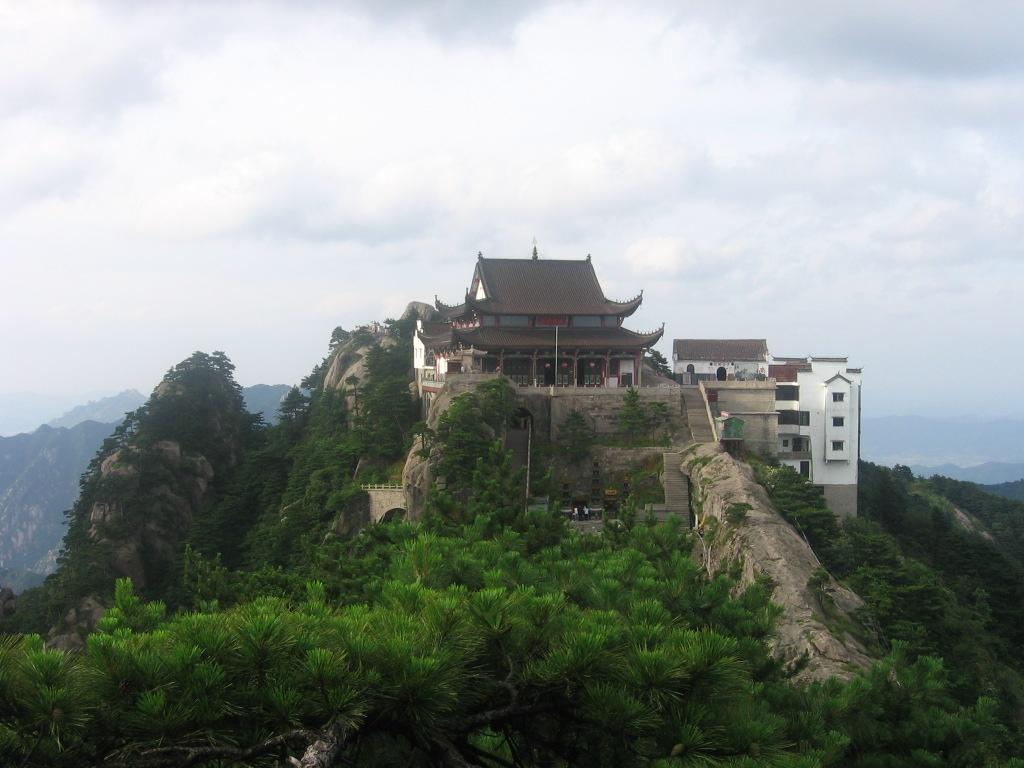
Understanding Chizhou as a gateway means grasping what makes Jiuhua Shan different from Huangshan. The short answer is geology and purpose. Both mountains are granite, but Huangshan has no monastic town. Jiuhua Shan has Jiuhua Street, a full temple settlement at 600 metres elevation, with 99 peaks over 1,000 metres and roughly 90 to 100 active monasteries housing about 1,000 monks and nuns. The bodhisattva here is Kṣitigarbha, Dizang in Chinese, the protector of beings in hell. Pilgrims come to pay respect, not to shoot a sunset. That changes how you move through the mountain.
Getting from Chizhou Station to the Temples
Step off the train at Chizhou station and you need to reach the Jiuhuashan visitor centre. The shuttle bus runs regularly from the station and takes roughly an hour, ¥50 for the internal park shuttle once you are inside. Do not skip the shuttle. The walk from the entrance up to Jiuhua Street is long and unshaded, and the road carries local traffic. Buy the main entrance ticket for ¥160, or ¥140 in low season. That ticket covers Huacheng Temple, Baisui Palace and Tiantai Temple, all free once you are inside the scenic area.
Jiuhua Street is your base. It sits at 600 metres and holds the oldest temple on the mountain, Huacheng Temple, first built in the Eastern Jin period in 401. Current structures are Qing dynasty. Zhiyuan Temple, one of four major temples, stands here too. You can sleep on Jiuhua Street in a monastery guesthouse or a standard hotel. Book ahead in spring and autumn, the two peak pilgrim seasons. September and October bring clear skies. April and May bring mild weather and fewer visitors than Huangshan.
Two Temples Worth the Climb
Baisui Palace sits on Baisui Peak at 871 metres. It was built in 1618 during the Ming Wanli period. The relic is the preserved body of monk Wuxia, who lived from 1513 to 1623. The climb from Jiuhua Street takes 1 to 2 hours up, one hour down, on more than 1,000 stone steps. Free with your park ticket. Do this first, early in the morning, before the tour groups reach the stairs.
Tiantai Temple sits on Tiantai Peak at 1,306 metres, the main summit temple. You have two options. Walk from Jiuhua Street, which takes 3 to 5 hours up. Or take the cable car from Fenghuang Song at roughly 700 metres to Gubai Jing at roughly 1,100 metres, an 8 to 10 minute ride for ¥85 one way, ¥160 round trip, then climb the remaining stairs. The cable car saves your knees for the temple complex at the top. If you are fit and the weather is clear, walk up and ride down. The total time using the cable car is 1.5 to 2.5 hours from Jiuhua Street.
Jiuhua Shan vs Huangshan: What Each Asks of You
The Morning Routine
Huangshan asks you to wake at 4:00 am, walk 40 minutes in the dark to a viewing platform, and stand shoulder to shoulder with 200 other people waiting for the sun to burn through the fog. The reward is unreal, but the process is an ordeal. Jiuhua Shan asks you to climb stairs. That is the activity. You walk from temple to temple, up ridges and down valleys, and the mountain reveals itself gradually. There are fewer railings, fewer photo jostles, fewer people wearing hiking gear that has never touched dirt.
Linking the Two Mountains
The two mountains are 90 to 110 km apart by road from the Huangshan Scenic Area at Tangkou to Jiuhua, about 1.5 to 2.5 hours by car. By public bus you transfer through Chizhou or Qingyang, which adds time. Do not try to see both in three days from one base. That is the common mistake. You underestimate the transfer times and the mountain logistics. A Huangshan classic trip is 2 days and 1 night on the summit. Adding Jiuhua Shan pushes the minimum to 3 days and 2 nights. A comfortable trip is 4 to 5 days. If your total Anhui trip is only 3 days, stick with Huangshan. Jiuhua Shan fits when you have four days or more, or when you enter Anhui from Hefei and treat Chizhou as your arrival point.


When Jiuhua Shan Makes Sense and When it Does Not
Jiuhua Shan is a better add on from Hefei or Chizhou than from the Huangshan Scenic Area. Arrive at Hefei South, take the 1 hour 10 minute train to Chizhou, and you are at the Jiuhua Shan visitor centre within two hours of stepping off the plane. From the Huangshan Scenic Area, you face a 1.5 to 2.5 hour drive or a bus transfer through Chizhou that can hit 2.5 to 3.5 hours. That is a half day. It is worth it only if you have the time and the interest in Buddhist pilgrimage architecture.
Skip It If
First time China visitors who want easy urban tourism. Travellers who prefer short transfers and compact sightseeing. Anyone unwilling to handle Chinese language apps or long bus rides. 4G coverage is good on Jiuhua Street and the summit, but patchy in the deep valleys. Google, WhatsApp and Instagram require a VPN. WeChat and Alipay work without one. Cash is accepted on buses, but small notes are essential. Didi does not always work in the mountain villages. Ask your guesthouse to call a local driver.
Go If
Hikers. Mountain photographers who want a different subject. Fans of traditional Huizhou architecture. Tea culture enthusiasts, because Qimen black tea comes from the county just west of here. Independent travellers comfortable with limited English signage. The mountain gets about 10 million annual visitors, mostly Chinese pilgrims, so the infrastructure is solid, but the English language support is thin outside the main ticket office. Menus and bus signs are Chinese only. That is the friction. It is also the charm.
More destinations in Anhui
What to See in Chizhou
Common Questions
How long does the train take from Huangshan North to Chizhou?
40 to 60 minutes. The second class fare is roughly ¥50 to ¥70. From Chizhou station, the Jiuhuashan visitor centre is another hour by bus or taxi.
Can I do Jiuhua Shan as a day trip from Chizhou?
Yes. One day is enough for Jiuhua Street, Baisui Palace and Tiantai Temple if you use the cable car for Tiantai. Arrive at the visitor centre by 08:00, take the shuttle up, climb Baisui Palace first, then ride the cable car to Tiantai and walk down.
Should I stay overnight on Jiuhua Shan?
Yes, if you want the full experience. A two day one night trip lets you walk the pilgrimage circuit without rushing. Jiuhua Street has guesthouses and standard hotels. Book ahead in April, May, September and October.
How is Jiuhua Shan different from Huangshan?
Jiuhua Shan is a Buddhist monastic landscape with 90 to 100 active temples and roughly 1,000 resident monks and nuns. Huangshan is a granite peak landscape with no major monastic town. Jiuhua Shan is about pilgrimage and incense. Huangshan is about peaks, sunrises and photographers.
What is the best way to reach Jiuhua Shan from Hefei?
High speed rail from Hefei South to Chizhou takes 1 hour 10 minutes to 1 hour 40 minutes, ¥90 to ¥120 second class. Then an hour by bus from Chizhou station to the Jiuhuashan visitor centre.
How much does it cost to enter Jiuhua Shan?
The main entrance ticket is ¥160, ¥140 in low season. The internal shuttle bus is ¥50. The Tiantai cable car is ¥85 one way, ¥160 round trip. Huacheng Temple, Baisui Palace and Tiantai Temple are free with the park ticket.
When should I avoid Jiuhua Shan?
The first week of October and the first week of May are National Day and Labour Day. Massive domestic crowds, inflated hotel prices and packed cable cars. Also avoid late June and July for heavy rain and humidity.
Read next
-
 Jiuhuashan
Jiuhua Shan is a sacred Buddhist pilgrimage mountain, not a scenic rival to Huangshan. Temples, staircases and rituals define the visit.
Jiuhuashan
Jiuhua Shan is a sacred Buddhist pilgrimage mountain, not a scenic rival to Huangshan. Temples, staircases and rituals define the visit.
-
 Anhui Hotels from Huangshan Summit to Huizhou Courtyards
Huangshan summit hotels sell out weeks ahead and are the only legal way to sleep on the mountain; village guesthouses trade comfort for atmosphere.
Anhui Hotels from Huangshan Summit to Huizhou Courtyards
Huangshan summit hotels sell out weeks ahead and are the only legal way to sleep on the mountain; village guesthouses trade comfort for atmosphere.
-
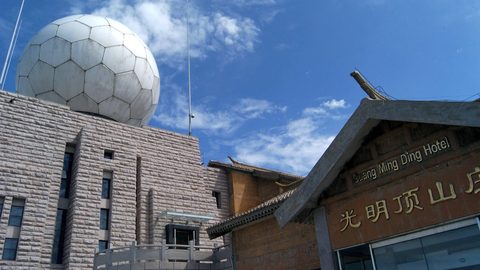 Where to Stay in Anhui for Huangshan and the Villages
Tunxi is the convenient transport hub, Tangkou suits hikers, summit hotels give sunrise access, and village courtyards offer atmosphere but less mobility.
Where to Stay in Anhui for Huangshan and the Villages
Tunxi is the convenient transport hub, Tangkou suits hikers, summit hotels give sunrise access, and village courtyards offer atmosphere but less mobility.
-
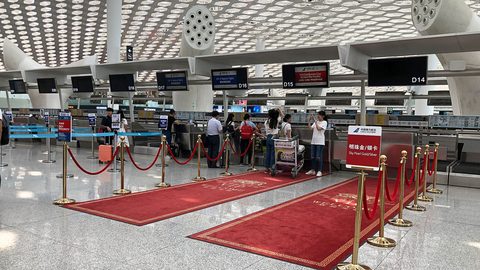 Flying to Anhui or Taking the Train From Shanghai Which Works Better
Flying into Tunxi puts you closest to the mountains, but the Shanghai to Huangshan North train often beats Hefei for total time.
Flying to Anhui or Taking the Train From Shanghai Which Works Better
Flying into Tunxi puts you closest to the mountains, but the Shanghai to Huangshan North train often beats Hefei for total time.
-
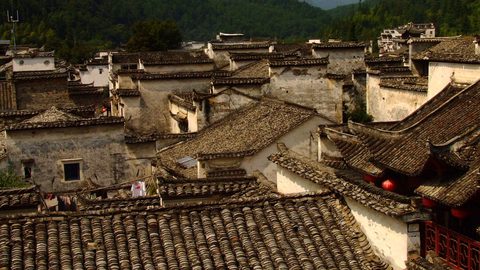 Things to Do in Anhui Beyond Huangshan and Hongcun
Beyond Huangshan, Anhui offers the Taoist Qiyun Shan, the Buddhist Jiuhua Shan, quiet villages like Chengkan, and Qimen black tea country.
Things to Do in Anhui Beyond Huangshan and Hongcun
Beyond Huangshan, Anhui offers the Taoist Qiyun Shan, the Buddhist Jiuhua Shan, quiet villages like Chengkan, and Qimen black tea country.
-
 Best Time to Visit Anhui and Huangshan by Season
April–May and September–October offer the best Anhui weather, but avoid the first week of October and May for National Day and Labour Day crowds.
Best Time to Visit Anhui and Huangshan by Season
April–May and September–October offer the best Anhui weather, but avoid the first week of October and May for National Day and Labour Day crowds.
-
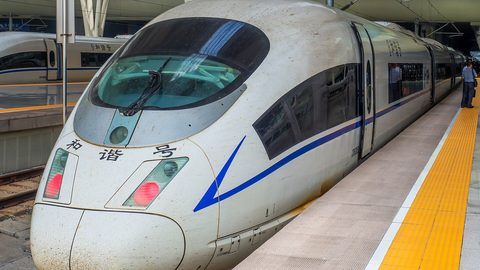 Getting Around Anhui from Shanghai, Hangzhou and Nanjing
High-speed rail from Shanghai, Hangzhou or Nanjing to Huangshan North is the practical gateway, but villages and trailheads need buses or local cars.
Getting Around Anhui from Shanghai, Hangzhou and Nanjing
High-speed rail from Shanghai, Hangzhou or Nanjing to Huangshan North is the practical gateway, but villages and trailheads need buses or local cars.
-
 Xuancheng
What Xuancheng prefecture offers travellers moving between Huangshan and the Yangtze, from paper-making towns to quiet bamboo valleys.
Xuancheng
What Xuancheng prefecture offers travellers moving between Huangshan and the Yangtze, from paper-making towns to quiet bamboo valleys.
-
 Huangshan City
Tunxi is not Anhui's prettiest town, but its rail station, bus hub and Old Street make it the most useful base.
Huangshan City
Tunxi is not Anhui's prettiest town, but its rail station, bus hub and Old Street make it the most useful base.