When to Climb Huangshan and Walk the Huizhou Villages
April–May and September–October offer the best Anhui weather, but avoid the first week of October and May for National Day and Labour Day crowds.
When to Climb Huangshan and Walk the Huizhou Villages
The best time to visit Huangshan and the surrounding Huizhou villages is April, May, September and October. Those two windows give you the clearest skies on the summit, the most reliable walking weather in the villages and the strongest odds of seeing what you came for. Outside these windows, you are trading views for rain, fog or Olympic-level crowds.
April and May bring mild temperatures and rapeseed flowers in bloom across the Yixian countryside. The fields around Hongcun and Xidi turn yellow-gold in late March through April, which pairs well with the white-walled Huizhou architecture. The trade-off: spring rain is frequent in these months. Granite steps on the mountain get wet and slippery. Pack waterproof boots and a jacket for the summit even if the valley looks dry.
September and October deliver the opposite: clear skies, lower humidity and red leaves starting on Huangshan around mid-October. Sunrise odds peak in autumn, and the sea of clouds (yunhai) still shows reliably from November through May, but September and October offer the best balance of clear mornings and walkable temperatures. Autumn is also the busiest season for crowds, so book summit hotels before the start of September.
The windows you should refuse outright are the first week of May (Labour Day holiday, 1 to 5 May), the first week of October (National Day Golden Week, 1 to 7 October) and late June through July. The two holiday weeks pack the mountain with domestic tourists, multiply summit hotel prices several times and make cable car queues stretch for hours. Late June and July bring heavy rain and humidity, with valley temperatures hitting 38°C and summit fog that can erase the view entirely for a full day.
Even in the good months, summit weather changes fast. A clear sunrise can turn to thick fog in 20 minutes. Check the Huangshan Scenic Area real-time webcam before you buy your cable car ticket. If it shows nothing but white, wait a day. You cannot sleep on the mountain outside designated hotels, and summit rooms are expensive and sell out weeks ahead in peak season.
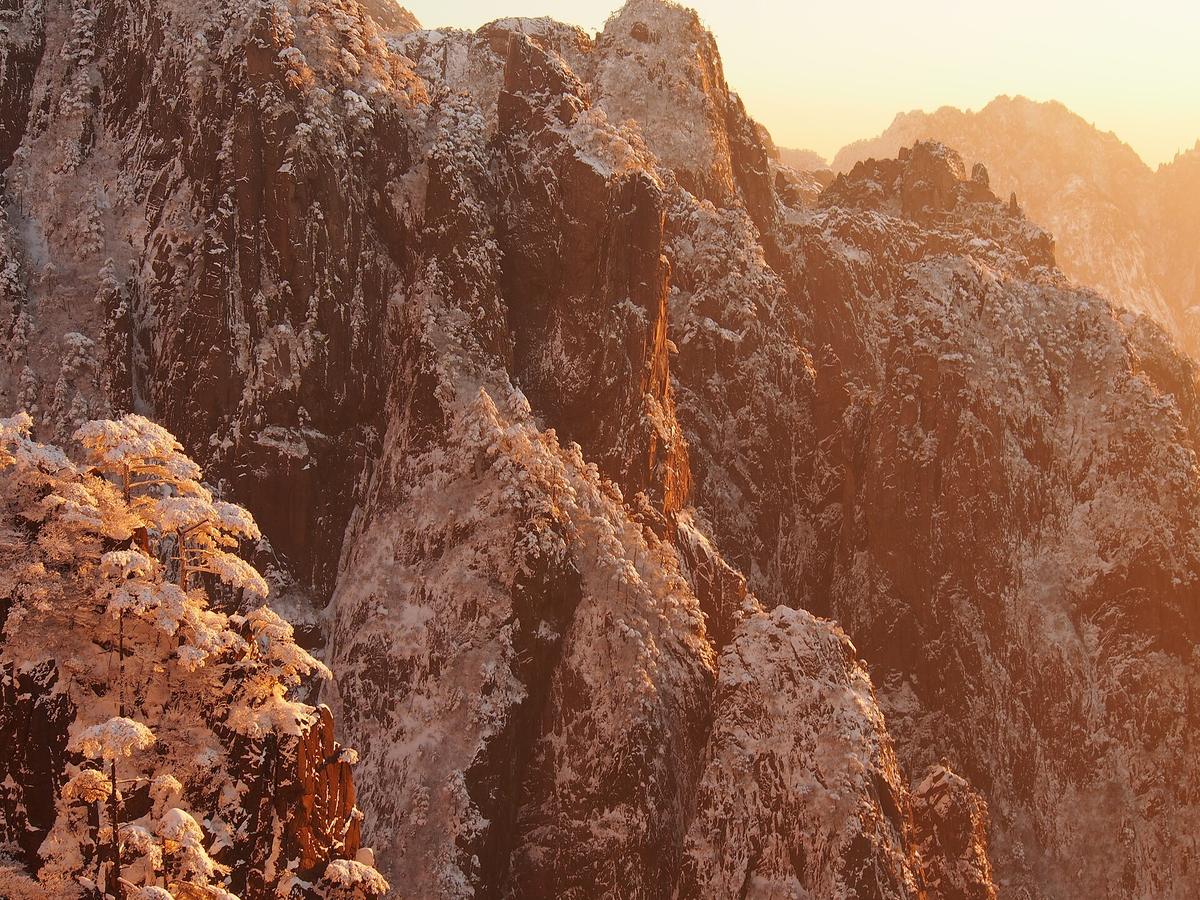

What Each Season Means for Your Week in Anhui
Five days is the minimum for a trip that covers Huangshan plus one or two villages without rushing the mountain. Count on 3 to 4 hours of road time between the mountain, Tunxi and the outlying villages. A single-base trip across multiple districts is impractical because the headline destinations are spread across a large area.
Spring (March to May)
Spring brings rapeseed flowers and mild valley temperatures, but March to May sees frequent rain. The sea of clouds is likeliest in February to April, especially after rain and before sunrise. Spring sunrise odds are moderate and drop during rainy stretches. Book Yixian county villages like Bishan or Guanlu if you want flower-field views without competing with crowds of other photographers at Hongcun's crescent pond.
Summer (June to August)
Late June through July should be avoided. Rain and humidity are heavy. Valley temperatures range 30 to 38°C. The summit stays cooler at 15 to 25°C, but cloud cover is frequent and summer sunrise odds are the lowest of any season. If you arrive in August, aim for the second half of the month when rain eases slightly. The summit still delivers sea-of-clouds chances in early mornings after overnight rain.
Autumn (September to November)
Best months overall are October and November. Clear skies, red leaves around Huangshan from mid-October, and the highest sunrise odds of the year. Crowds are at their peak, so visit Hongcun right at opening time (07:30) or after 16:00 when the tour buses leave. The first week of October is Golden Week and you should skip it entirely. Book summit hotels for early November if you want lower prices and still-good views of deciduous leaf colour.
Winter (December to February)
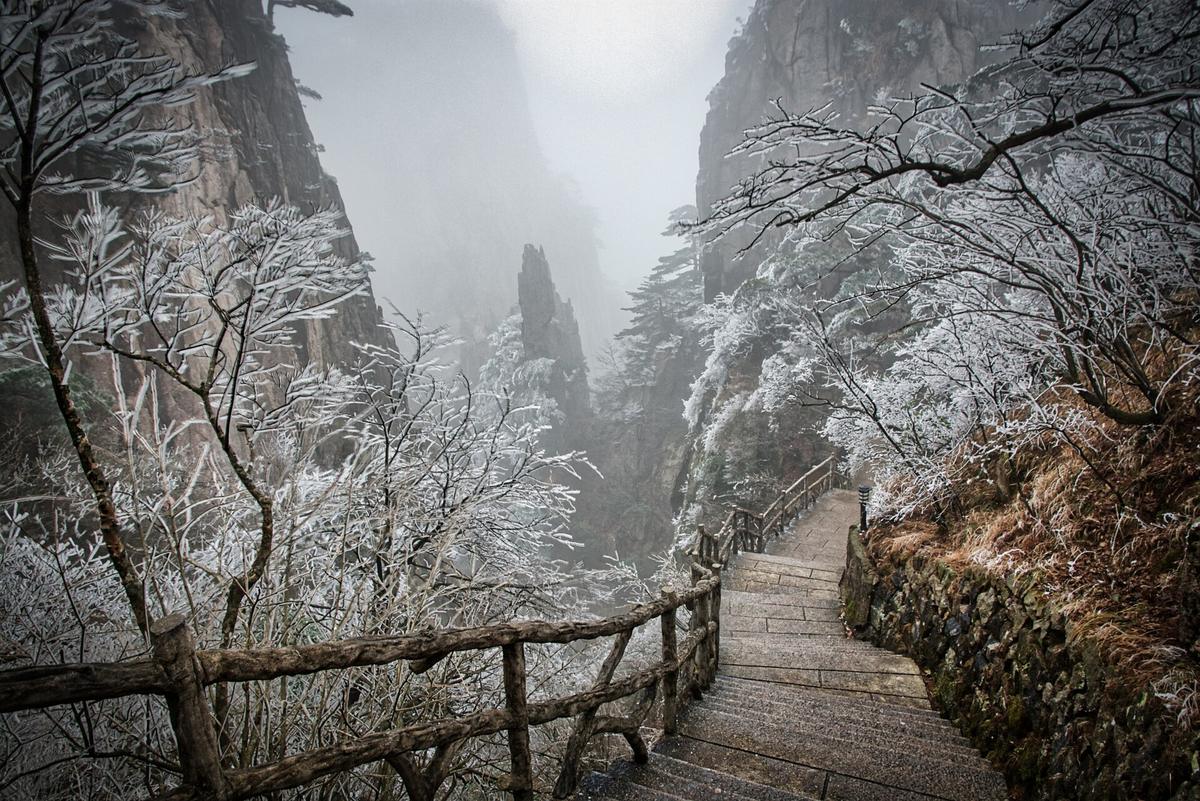
Snow months from December to February. Summit sunrise odds are high after cold fronts clear the air. The Yuping Cable Car and the Taiping Cable Car both close in winter; only the Yungu Cable Car operates. The north entrance route via the Taiping cable car is unavailable, so use the south entrance at Tangkou. Temperatures on the summit drop to well below freezing. Pack thermal layers, crampons (sold at the base for about ¥30) and hand warmers. Fewer visitors means quieter views of snow-dusted granite peaks.
How to Read the Crowd and Cost Calendar
The two holidays that wreck a trip to Huangshan are Labour Day (1 to 5 May) and National Day Golden Week (1 to 7 October). Summit hotel prices multiply several times during Labour Day and even more during Golden Week. Cable cars at the south entrance queue for hours. The mountain's daily visitor cap gets hit before 09:00. If your dates are fixed and fall inside these windows, skip the summit entirely and spend those days in quieter alternatives: Qiyun Shan (40 minutes by car from Tunxi) or the Taoist mountain at Jiuhua Shan accessed via high-speed rail from Hefei or Wuhu plus a 2-hour bus ride.
Outside holiday weeks, the cheapest months for accommodation are November and March (excluding Chinese New Year, which shifts annually). Hongcun guesthouse rooms drop sharply in December. The weather is colder and some village restaurants close, but the villages are nearly empty.
Payment in Anhui runs overwhelmingly through WeChat Pay or Alipay. Cash is accepted on buses but you need small notes under ¥20. Didi does not work in remote villages. Ask your guesthouse to call a local driver. 4G coverage is good in towns and on the Huangshan summit but patchy in deep valleys and some rural villages. A VPN is needed for Google, WhatsApp and Instagram. WeChat and Alipay work without one. An eSIM with China data is the easiest option for short stays.
| Month | Rain/Cloud Risk | Sunrise Odds | Sea of Clouds Likely? | Crowd Level |
|---|---|---|---|---|
| January | Low | High after cold fronts | Yes | Low |
| February | Moderate | Moderate | Peak months | Low |
| March | High rain | Moderate | Peak months | Moderate |
| April | High rain | Moderate | Frequent | High |
| May | High rain (first week: avoid) | Moderate | Frequent | Extreme (first week) |
| June | Very high | Lowest | Possible | Moderate |
| July | Very high | Lowest | Possible | Moderate |
| August | Moderate (eases late month) | Low | Possible | High |
| September | Low | Highest | Yes | Highest |
| October | Low (first week: avoid) | Highest | Yes | Extreme (first week) |
| November | Low | High | Yes | Moderate |
| December | Low snow risk | High after cold fronts | Yes | Low |
.jpeg)
Practical Ground Rules for Your Anhui Week
Book summit hotels before the month starts. Huangshan summit rooms sell out weeks ahead in April, May, September and October. The cheapest dormitory bed in a summit hotel runs about ¥200 to ¥300; private doubles are ¥800 to ¥1,200 in peak season. Outside these months, you can book 7 to 10 days ahead. Sleep on the mountain if your priority is sunrise, because the first cable car up does not run until 06:30 (summer) or 07:30 (winter), and you will miss the light.
Use the south entrance at Tangkou. The Yungu Cable Car is the only one operating in winter. In other seasons, the Yuping and Taiping cable cars run, but the south entrance offers the most frequent bus connections from Tunxi (about 1 hour, ¥30 by bus). If the Yuping Cable Car is closed for maintenance (check the Huangshan Scenic Area website before you go), you will need to hike the western steps, which adds 90 minutes of steep granite climbing.
Plan for 3 to 4 hours of road time between sights. Tunxi to Hongcun takes 1 to 1.5 hours by bus. Hongcun to Tangkou takes another 1 to 1.5 hours. Xidi is 30 minutes beyond Hongcun. Trying to see Huangshan, Hongcun, Xidi and Jiuhua Shan in three days from one base is a common mistake that leaves you exhausted and missing half the trail. Stick to Huangshan plus one or two villages within a 2-hour radius.
Arrive through Huangshan Tunxi International Airport (TXN) if you can. A taxi from TXN to central Tunxi costs ¥30 to ¥40 and takes 15 to 20 minutes. Hefei Xinqiao International Airport (HFE) is the other option; the airport bus to central Hefei takes one hour and costs about ¥25, but then you need high-speed rail from Hefei to Huangshan North station (about 2 hours). High-speed rail from Shanghai, Hangzhou or Nanjing to Huangshan North station is often more practical than flying if those cities are on your route.
Eat local but know what you are ordering. Stinky mandarin fish, mao tofu, Huangshan baked wheat cake, bamboo shoots braised with ham and Huizhou one-pot are the regional signatures. Menus outside Tunxi are often Chinese-only. Point at a photo or use a translation app. English is limited outside Tunxi and the main scenic area. Toilets in rural villages and trailheads are squat-style with no paper. Carry your own.
Common Questions
Which single month has the best balance of clear skies and low crowds?
Early November. Autumn colours linger on Huangshan until mid-month, sunrise odds are high, sea of clouds is still likely, and the Labour Day and Golden Week crowds have gone. Summit hotels cost 30 to 50% less than in October.
Can I see the sea of clouds if I visit in July?
Possible but unlikely. The sea of clouds is likeliest November to May and peaks February to April. Summer cloud cover and humidity reduce visibility. Your best bet for July is to hike early (before 08:00) after an overnight rain, before heat builds up.
What do I do if I arrive on 2 October and my summit hotel is sold out?
Skip the summit. Spend those days on Qiyun Shan (40 minutes from Tunxi by car) or Taiping Lake (1 hour from Tangkou by car). Both are quieter than Huangshan. Book the Huangshan summit hotel for a date after 7 October.
How do I handle payment if I do not have WeChat Pay or Alipay?
Bring ¥500 to ¥1,000 in small notes (¥5, ¥10 and ¥20). Cash works on buses and in some village shops. Most hotels and restaurants in Tunxi and the scenic area accept foreign credit cards, but guesthouses in Hongcun and Xidi may not. Set up Alipay with a foreign card before you arrive.
Read next
-
 Anhui Hotels from Huangshan Summit to Huizhou Courtyards
Huangshan summit hotels sell out weeks ahead and are the only legal way to sleep on the mountain; village guesthouses trade comfort for atmosphere.
Anhui Hotels from Huangshan Summit to Huizhou Courtyards
Huangshan summit hotels sell out weeks ahead and are the only legal way to sleep on the mountain; village guesthouses trade comfort for atmosphere.
-
 Where to Stay in Anhui for Huangshan and the Villages
Tunxi is the convenient transport hub, Tangkou suits hikers, summit hotels give sunrise access, and village courtyards offer atmosphere but less mobility.
Where to Stay in Anhui for Huangshan and the Villages
Tunxi is the convenient transport hub, Tangkou suits hikers, summit hotels give sunrise access, and village courtyards offer atmosphere but less mobility.
-
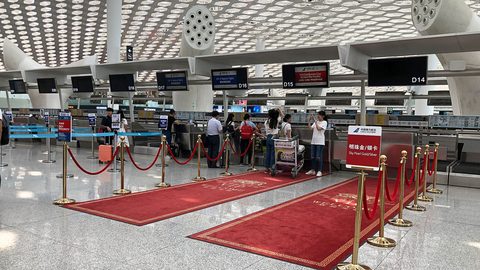 Flying to Anhui or Taking the Train From Shanghai Which Works Better
Flying into Tunxi puts you closest to the mountains, but the Shanghai to Huangshan North train often beats Hefei for total time.
Flying to Anhui or Taking the Train From Shanghai Which Works Better
Flying into Tunxi puts you closest to the mountains, but the Shanghai to Huangshan North train often beats Hefei for total time.
-
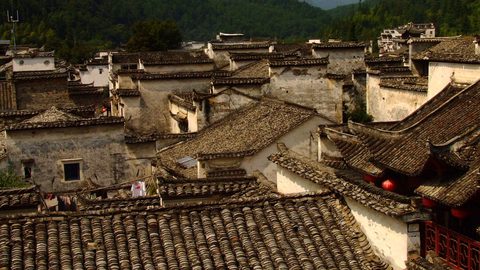 Things to Do in Anhui Beyond Huangshan and Hongcun
Beyond Huangshan, Anhui offers the Taoist Qiyun Shan, the Buddhist Jiuhua Shan, quiet villages like Chengkan, and Qimen black tea country.
Things to Do in Anhui Beyond Huangshan and Hongcun
Beyond Huangshan, Anhui offers the Taoist Qiyun Shan, the Buddhist Jiuhua Shan, quiet villages like Chengkan, and Qimen black tea country.
-
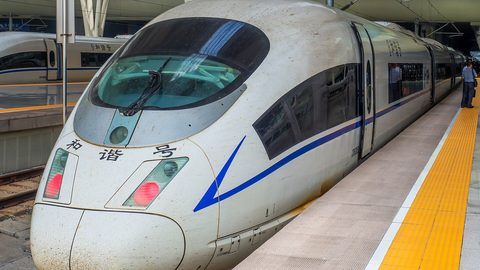 Getting Around Anhui from Shanghai, Hangzhou and Nanjing
High-speed rail from Shanghai, Hangzhou or Nanjing to Huangshan North is the practical gateway, but villages and trailheads need buses or local cars.
Getting Around Anhui from Shanghai, Hangzhou and Nanjing
High-speed rail from Shanghai, Hangzhou or Nanjing to Huangshan North is the practical gateway, but villages and trailheads need buses or local cars.
-
 Anhui Itinerary for Two, Three and Four Days
A two-day Anhui trip should focus on Huangshan alone; three days adds Hongcun or Xidi; four days can include Qiyun Shan or quieter villages.
Anhui Itinerary for Two, Three and Four Days
A two-day Anhui trip should focus on Huangshan alone; three days adds Hongcun or Xidi; four days can include Qiyun Shan or quieter villages.
-
 Huangshan (Yellow Mountain)
Huangshan's south gate, cable car choices and summit loop explained, so you can plan a realistic one- or two-day mountain route.
Huangshan (Yellow Mountain)
Huangshan's south gate, cable car choices and summit loop explained, so you can plan a realistic one- or two-day mountain route.
-
 Xuancheng
What Xuancheng prefecture offers travellers moving between Huangshan and the Yangtze, from paper-making towns to quiet bamboo valleys.
Xuancheng
What Xuancheng prefecture offers travellers moving between Huangshan and the Yangtze, from paper-making towns to quiet bamboo valleys.
-
 Huangshan City
Tunxi is not Anhui's prettiest town, but its rail station, bus hub and Old Street make it the most useful base.
Huangshan City
Tunxi is not Anhui's prettiest town, but its rail station, bus hub and Old Street make it the most useful base.