Tunxi as Your Anhui Base Without the Mountain Prices
Tunxi is not Anhui's prettiest town, but its rail station, bus hub and Old Street make it the most useful base.
- Flag
-

- ISO code
- CN
- Population
- 1,360,000
- Currency
- CNY
- Timezone
- Asia/Shanghai
Tunxi is the Rail Head, the Old Street and the Base for Everything
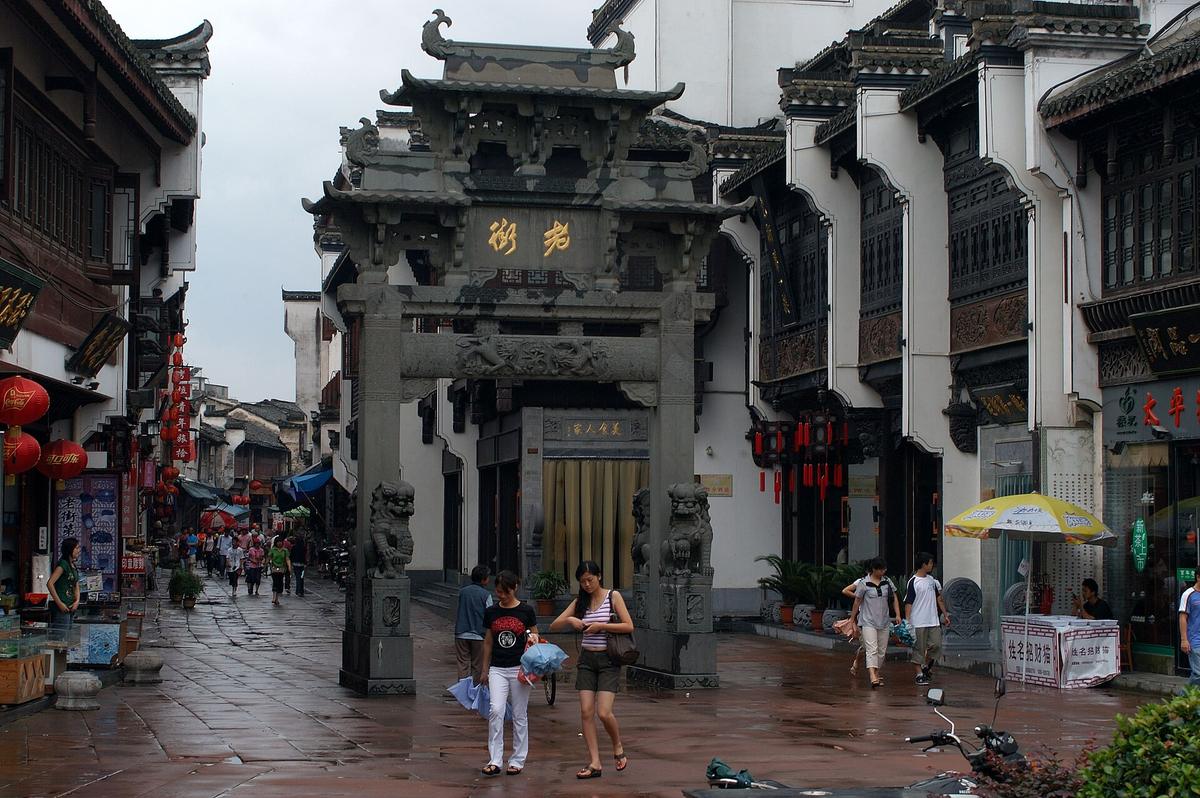
Book your trip around Tunxi, not the mountain. The peak and the city share a name but are separate locations, and confusing the two is the most common booking error travellers make. Tunxi, officially called Huangshan City, sits 60 to 70 kilometres from the granite range that draws you here. That distance is exactly why you should base yourself in Tunxi, not in the expensive, logistics-heavy town of Tangkou. Tunxi gives you a practical central point with a real city's infrastructure: frequent buses to the peaks, direct connections to the painted villages, and a 1.2-kilometre stretch of Ming and Qing dynasty buildings called Tunxi Old Street that absorbs your evenings with food and tea. It is not a scenic destination itself. The Old Street is tourist-oriented, the river views are pleasant but unremarkable, and the town exists to solve your transport problem. That is precisely its value.
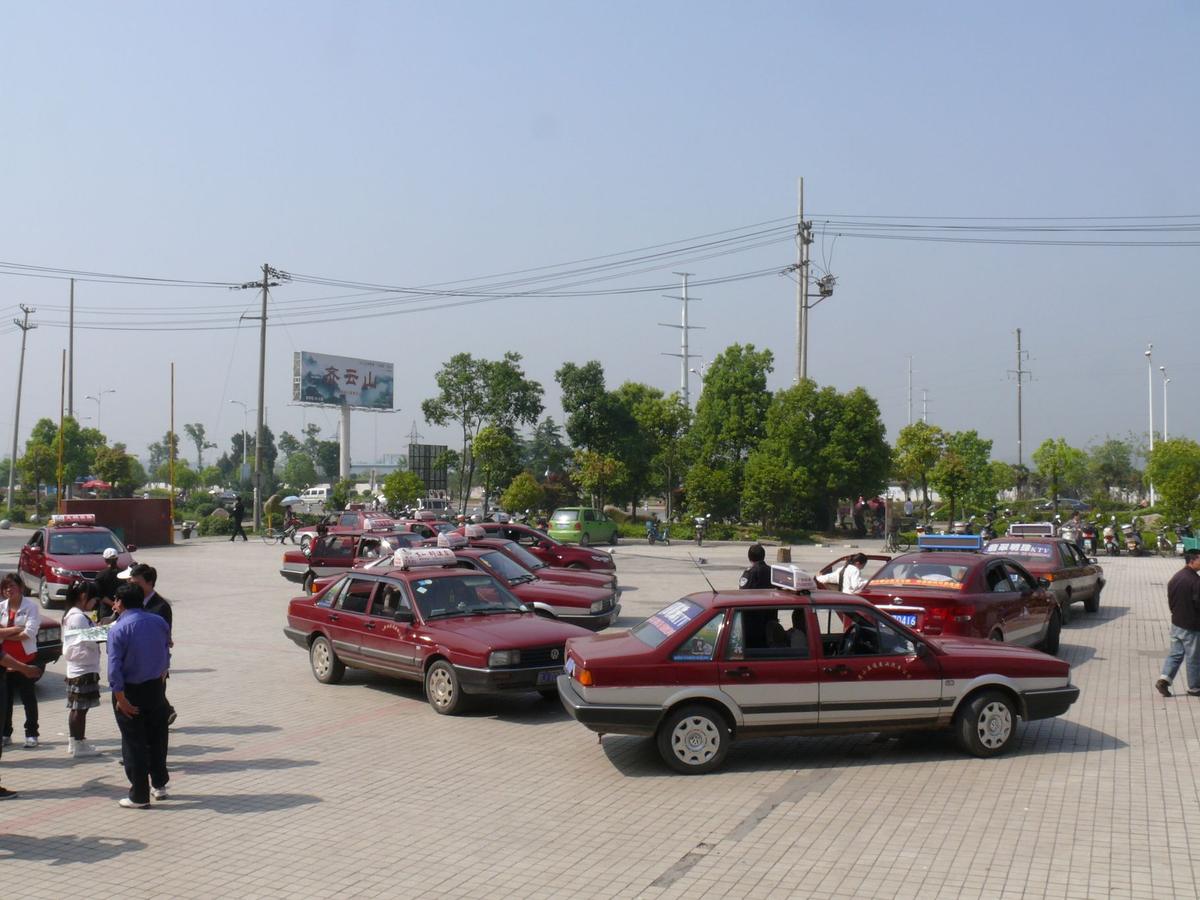
You need a base that does not punish you with inflated prices for the convenience of a summit view you will only see in the morning anyway. Tangkou, the town at the south gate of the scenic area, puts you 1 to 3 kilometres from the shuttle buses, but it offers little after 8 p.m. and charges summit-hotel rates for mid-range rooms. Tunxi costs less, eats better, and keeps you within 50 to 70 minutes by bus from the peaks. The trade-off is a 15-kilometre taxi ride (about 30 to 40 yuan) from Huangshan Tunxi International Airport or a short ride from Huangshan Railway Station (conventional trains, 2 kilometres from the Old Street) or Huangshan North Railway Station (high-speed trains, 15 kilometres from the Old Street). Choose your arrival based on where you are coming from. If you are coming from Shanghai, Hangzhou or Nanjing, the high-speed rail to Huangshan North is faster and more reliable than flying. From the station, take a taxi or the bus connection into Tunxi. Do not book a hotel in the mountain area on your first night. You will waste money and flexibility.

What Tunxi Actually Offers After Dark
Old Street After Sunset
The Old Street is your evening territory. It runs roughly 1.2 kilometres from the Laojie entrance and consists of rebuilt Ming and Qing dynasty shopfronts selling tea, sesame cakes, wood carvings and tourist souvenirs. It is not a hidden local market. It is a well-lit, well-maintained pedestrian strip where you can eat dinner, buy Qimen black tea, and watch the street performers without feeling rushed. Go at dusk, when the lanterns come on and the day-trip crowds thin. Eat at one of the restaurants that serve stinky mandarin fish (chou guiyu) and Huizhou one-pot. Do not expect bar culture. Tunxi has no nightlife worth the name. A few teahouses stay open late, and the night market near the Laojie entrance sells hairy tofu (mao doufu) and Huangshan baked wheat cake on small grills. That is it. That is enough. You spend your days on the mountain or in the villages; you spend your evenings eating and resting. If you want clubs or cocktail bars, you are in the wrong province.
Where Locals Eat
The Yixian Food Street, in the Tunxi District, is a second option if the Old Street feels too commercial. It is a local food street focused on Anhui specialties, with less English signage and lower prices. Order the bamboo shoots braised with ham and the Wushan roast duck if you see it. Pay in cash here; smaller vendors do not always take cards, though WeChat Pay and Alipay work in most places. The key point is that Tunxi gives you a genuine town to walk through after dark, not a hotel lobby. That matters after a day spent in a cable car queue or on a village bus.
Day Trips You Can Actually Do from Tunxi
The Mountain
Use the Huangshan Tourist Bus Station in Tunxi for all mountain and village departures. The bus to Tangkou (the mountain's south gate) takes 50 to 70 minutes. From Tangkou, you board a mandatory scenic area shuttle to the cable car lower stations at Yungu Temple (Eastern Steps) or Mercy Light Temple (Western Steps). The cable cars run from roughly 06:30 to 17:00, varying by season. The mountain entry fee is 190 yuan in peak season (March to November) and 150 yuan in off-peak season (December to February). Arrive at the bus station by 07:00 if you want to be on the mountain before the 10:00 crowd. Do not attempt a day trip that starts at 10.00. You will spend two hours in queues and see nothing but mist.
The Villages
The villages are easier. Hongcun, 70 kilometres from Tunxi, takes 80 to 100 minutes by bus. Xidi, 55 kilometres, takes slightly less. Both are UNESCO-listed Huizhou settlements. Hongcun is busier by day, with its famous crescent pond and film-location status. Xidi has quieter lanes and more ornate ancestral halls. Do not try to see both in one afternoon. Pick one, spend three to four hours walking, and come back to Tunxi for dinner. A half-day loop covering Chengkan (40 to 60 minutes by car) and the Tangyue Memorial Archways is a strong alternative for your second day. Chengkan's Bagua-layout village has fewer crowds than Hongcun, and the seven stone arches at Tangyue are a single, straightforward stop. If you want a Taoist mountain without the Huangsha crowds, Qiyun Shan is 40 minutes from Tunxi by car or bus. It has cliff inscriptions, quieter trails, and a fraction of the visitors.
Pacing Yourself
One piece of friction: transfer times are long. A day involving Huangshan and a village is a 10-hour day with three to four hours on the road. Do not pack two major sites into one itinerary. The common mistake is trying to see Huangshan, Hongcun, Xidi and Jiuhua Shan in three days from one base. That fails because mountain logistics eat half your daylight. Budget a full day for Huangshan. Budget a half-day per village. Accept that you will not see everything. That is the trade-off for a logistically sane trip.

When to Shift Your Base and When to Stay Put
Choosing Your Base
Stay in Tunxi for the entire trip unless you are planning a pre-sunrise mountain ascent or a multi-day summit hike. If you need to be on the summit by 05:00 for sunrise, move to Tangkou the night before. Tangkou's hotels are clustered within 1 to 3 kilometres of the south gate shuttle, and the premium on a 6:00 start is real. For any other itinerary (villages, Qiyun Shan, or a regular 08:00 start on the mountain), Tunxi is the better choice. The price difference is significant. Tunxi rooms cost roughly half what Tangkou charges in peak season, and the food options are far wider.
Timing and Duration
Avoid the first week of October and the first week of May entirely. Those windows bring National Day and Labour Day crowds that overwhelm cable car queues and inflate hotel prices to absurd levels. Late June and July bring heavy rain and humidity that can erase mountain views for days. The best months are April, May, September and October, with spring rapeseed flowers in the villages and autumn red leaves around the mountain. You need a minimum of five days: enough for Huangshan plus one or two villages without rushing. In five days, do the mountain on day two, Hongcun or Xidi on day three, and a smaller site like Chengkan or Qiyun Shan on day four. Use day one for arrival and day five for departure. That rhythm works.
More destinations in Anhui
What to See in Huangshan City
Common Questions
Is Tunxi the same as Huangshan City?
Yes. Tunxi is the central district of what is officially called Huangshan City. The confusion comes from the mountain sharing the same name. Huangshan City is the urban centre. Huangshan Mountain is the scenic area 60 to 70 kilometres away. Book your train to Huangshan North station and your hotel in Tunxi, not in the mountain area.
How do I get from Huangshan North Railway Station to Tunxi Old Street?
The station is 15 kilometres from the Old Street. A taxi costs around 40 to 50 yuan and takes 20 to 30 minutes. A bus connection also runs, but the taxi saves time and effort after a long train ride. Do not walk. The distance is not walkable.
Can I see Huangshan Mountain and a village in one day from Tunxi?
Technically yes, but you will not enjoy it. The mountain requires a full day: 50 to 70 minutes by bus to Tangkou, then a shuttle, then a cable car, then several hours of walking. Adding a 80-minute bus to Hongcun after descending means arriving at the village by 16:00, when it is already emptying and the light is fading. Do not attempt this. Give each site its own day.
Is Tunxi Old Street worth visiting?
Yes, if you treat it as an evening stroll with food, not a cultural attraction. The buildings are reconstructed Ming and Qing style, the shops are tourist-oriented, and the crowds can be heavy on weekends. Eat dinner there. Buy some Qimen tea. Walk the full 1.2 kilometres and leave. It serves its purpose as a relaxing end to an active day.
Should I stay in Tangkou instead of Tunxi?
Only if you need to start hiking before 07:00 or plan to spend multiple days on the summit. Tangkou costs more, offers less after dark, and provides no access to the villages without backtracking through Tunxi. For standard itineraries, Tunxi is the better base.
Read next
-
 Tunxi Old Street
 fills the evening before a Huangshan climb with Huizhou snacks, tea shops and a restored Ming-Qing streetscape.
Tunxi Old Street
Tunxi Old Street fills the evening before a Huangshan climb with Huizhou snacks, tea shops and a restored Ming-Qing streetscape.
-
 Anhui Hotels from Huangshan Summit to Huizhou Courtyards
Huangshan summit hotels sell out weeks ahead and are the only legal way to sleep on the mountain; village guesthouses trade comfort for atmosphere.
Anhui Hotels from Huangshan Summit to Huizhou Courtyards
Huangshan summit hotels sell out weeks ahead and are the only legal way to sleep on the mountain; village guesthouses trade comfort for atmosphere.
-
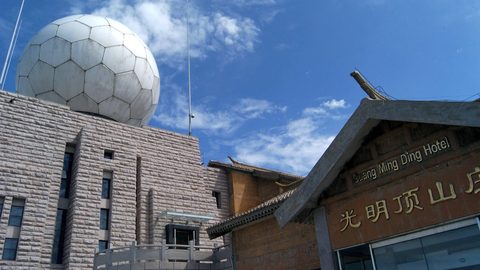 Where to Stay in Anhui for Huangshan and the Villages
Tunxi is the convenient transport hub, Tangkou suits hikers, summit hotels give sunrise access, and village courtyards offer atmosphere but less mobility.
Where to Stay in Anhui for Huangshan and the Villages
Tunxi is the convenient transport hub, Tangkou suits hikers, summit hotels give sunrise access, and village courtyards offer atmosphere but less mobility.
-
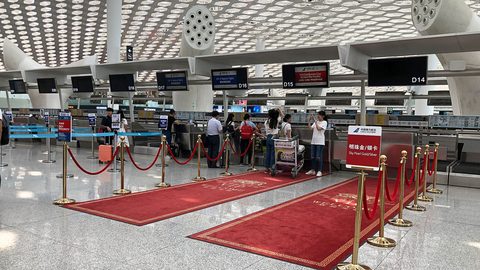 Flying to Anhui or Taking the Train From Shanghai Which Works Better
Flying into Tunxi puts you closest to the mountains, but the Shanghai to Huangshan North train often beats Hefei for total time.
Flying to Anhui or Taking the Train From Shanghai Which Works Better
Flying into Tunxi puts you closest to the mountains, but the Shanghai to Huangshan North train often beats Hefei for total time.
-
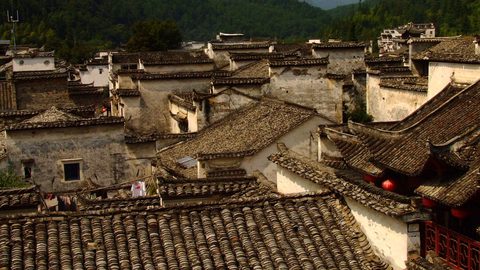 Things to Do in Anhui Beyond Huangshan and Hongcun
Beyond Huangshan, Anhui offers the Taoist Qiyun Shan, the Buddhist Jiuhua Shan, quiet villages like Chengkan, and Qimen black tea country.
Things to Do in Anhui Beyond Huangshan and Hongcun
Beyond Huangshan, Anhui offers the Taoist Qiyun Shan, the Buddhist Jiuhua Shan, quiet villages like Chengkan, and Qimen black tea country.
-
 Best Time to Visit Anhui and Huangshan by Season
April–May and September–October offer the best Anhui weather, but avoid the first week of October and May for National Day and Labour Day crowds.
Best Time to Visit Anhui and Huangshan by Season
April–May and September–October offer the best Anhui weather, but avoid the first week of October and May for National Day and Labour Day crowds.
-
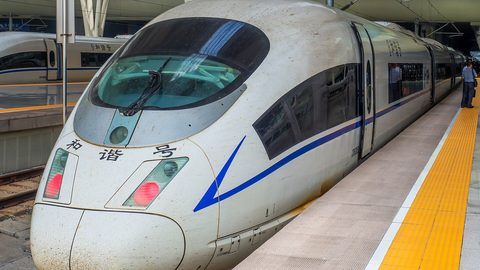 Getting Around Anhui from Shanghai, Hangzhou and Nanjing
High-speed rail from Shanghai, Hangzhou or Nanjing to Huangshan North is the practical gateway, but villages and trailheads need buses or local cars.
Getting Around Anhui from Shanghai, Hangzhou and Nanjing
High-speed rail from Shanghai, Hangzhou or Nanjing to Huangshan North is the practical gateway, but villages and trailheads need buses or local cars.
-
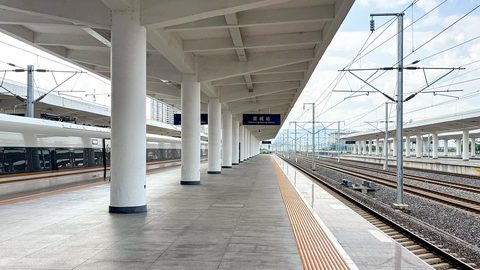 Xuancheng
What Xuancheng prefecture offers travellers moving between Huangshan and the Yangtze, from paper-making towns to quiet bamboo valleys.
Xuancheng
What Xuancheng prefecture offers travellers moving between Huangshan and the Yangtze, from paper-making towns to quiet bamboo valleys.
-
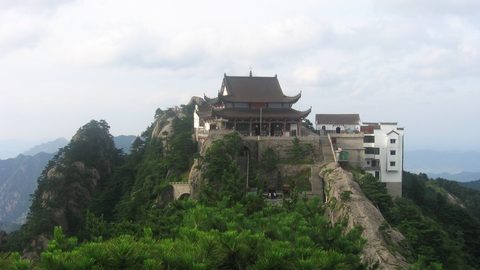 Chizhou
 is the rail gateway to Jiuhua Shan, a sacred Buddhist mountain with temple stays and pilgrimage routes unlike Huangshan.
Chizhou
Chizhou is the rail gateway to Jiuhua Shan, a sacred Buddhist mountain with temple stays and pilgrimage routes unlike Huangshan.