What Xuancheng Prefecture Offers Between Huangshan and the Yangtze
What Xuancheng prefecture offers travellers moving between Huangshan and the Yangtze, from paper-making towns to quiet bamboo valleys.
- Flag
-

- ISO code
- CN
- Population
- 2,500,000
- Currency
- CNY
- Timezone
- Asia/Shanghai
Xuancheng Prefecture Between Huangshan and the Yangtze
Every standard Anhui itinerary skips Xuancheng, routing you straight from the mountain to Hefei or Hangzhou. That is a mistake if you already have Huangshan and Hongcun in your trip and want something quieter. This prefecture holds a thousand-year papermaking tradition, bamboo-covered hills, and county towns where the only English you hear is your own.
Xuancheng is not a single destination. It is a prefecture the size of Connecticut, with seven county-level divisions, one high-speed rail corridor cutting through its southern edge, and zero UNESCO World Heritage Sites within its borders. That absence of a blockbuster sight is the point. Come here for xuan paper and xuan brush workshops in Jing County, for the Taoist cave system at Guangde, for the peak that Li Bai wrote a poem about in the 8th century, and for the satisfaction of being somewhere that has not been optimised for foreign tourists. The prefecture's northern edge touches the Yangtze River. Its southern counties border Huangshan City. You pass through anyway on the Hangzhou, Huangshan high-speed railway. The only question is whether you stop.
Knowing exactly where to stop, what to skip, how long each stop takes, and how Xuancheng fits into a longer Anhui route makes the difference between a wasted transfer day and the quietest stretch of your trip.
The Geography That Matters
Getting Your Bearings
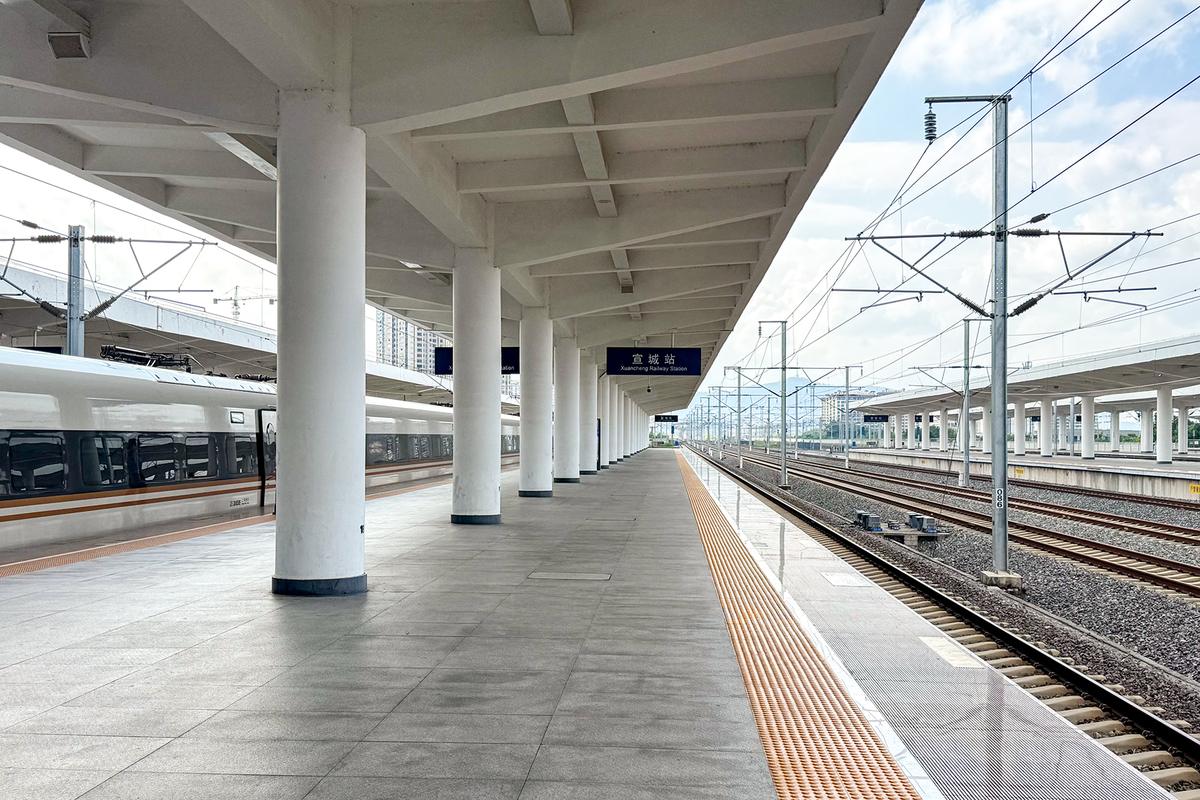
The urban core, properly called Xuanzhou, sits about 190 km north of Huangshan City and 210 km southeast of Hefei. The Hangzhou, Huangshan high-speed railway, which opened in December 2018, cuts through the prefecture's southern half. The key station for travellers is Jixi North. From there you reach Huangshan North in 15 to 25 minutes and Hangzhou East in about 1 hour 10 minutes to 1 hour 30 minutes. Hefei to the prefecture by high-speed rail takes 1 hour 20 minutes to 1 hour 40 minutes. These numbers matter because they make this region a viable stop on a route that otherwise forces you to choose between the peak and the plain.
Where the Sights Actually Sit
The main draws are spread across the counties, not concentrated in the urban centre. Here is what sits where:
- Jing County (Jingxian), about 50 km from Xuanzhou, is the heart of xuan paper and xuan brush production. The Chinese Rice Paper Museum opened here in 2015. Multiple family-run and state-owned workshops offer visits. This is a half-day to full-day stop.
- Jixi County, about 140 km from Xuanzhou, is the home of Hui ink production and the site of Jixi North station. Zhangshan Grand Canyon, roughly 15 km long, sits here. This county is closer to Huangshan than to the urban area, which makes it a logical stop if you are arriving from the south rather than from the north.
- Guangde city, about 60 km from Xuanzhou, holds Taiji Cave, a limestone cave system with about 5,400 m of explored passages and a 750 m navigable underground river. Open to visitors since 1986, admission is about 80 CNY. This is a two- to three-hour visit, best combined with nothing else that day because you need the bus time.
- Xuanzhou itself has Jingting Mountain, elevation 317 m, the site of Li Bai's poem "Sitting Alone in Face of Peak Jingting". Admission is about 50 CNY. The bus from the rail station takes 20 to 30 minutes. This is a morning or late-afternoon walk, not a full day.
You cannot see all of these in one day. The bus from the urban centre to Jing County takes about 1 hour. To Guangde it takes about 1 hour 15 minutes. The practical reality is one county per day, with a half-day for Jingting Mountain on arrival or departure.
The Paper Heritage: Why Jing County Exists in Your Itinerary
The Craft Behind the UNESCO Listing
Xuan paper, called xuānzhǐ in Chinese, was inscribed on the UNESCO Representative List of the Intangible Cultural Heritage of Humanity in 2009. The traditional production cycle takes up to 18 months and involves over 100 steps, using Pteroceltis tatarinowii bark, rice straw, and mountain spring water. Jing County is the only place where this paper has been made for over a thousand years. You do not come here because you need paper. You come because the process itself is the sight: the vats of fibrous pulp, the bamboo screens lifted by hand, the sheets pressed and dried on heated walls, all in workshops that look like they have not changed in centuries.
Museum First, Then the Mills
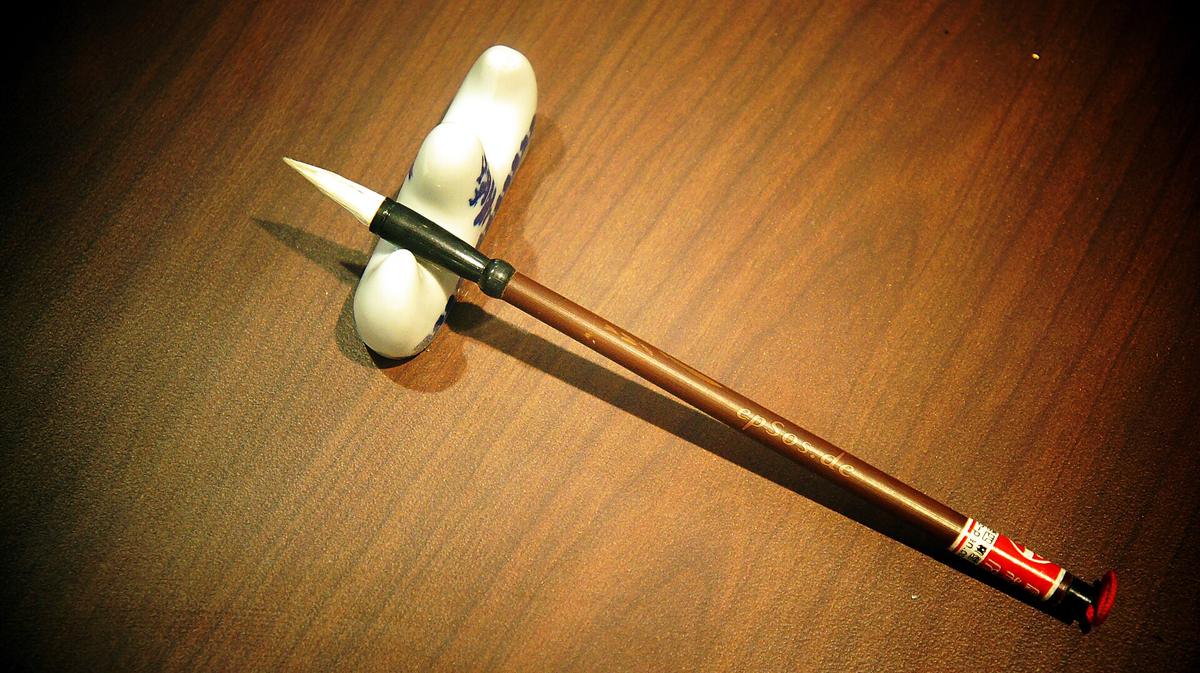
The Chinese Rice Paper Museum, national level and purpose-built, costs about 60 CNY. It walks you through the history and technique, but the real value is in the workshop visits that the museum staff can direct you to. Multiple family-run and state-owned mills in Jing County allow visits. Prices vary by workshop and by whether you want to try pulling a sheet yourself. Budget for a half-day minimum. Xuan brush workshops, concentrated in Langqiao and surrounding villages, follow a similar pattern. The brushes trace their origin to the Qin dynasty general Meng Tian in the 3rd century BC and use goat, weasel and rabbit hair set into bamboo handles. Buy brush sets directly from the makers for a fraction of what they cost in Tunxi or Hangzhou.
When to Skip It
If you have no interest in calligraphy materials, skip Jing County. The honest assessment from the prefecture's own tourism reality is that this region is worth a stop only for specialist interest in papermaking, brush making, or Li Bai literary sites. For general sightseeing, Huangshan City or Hangzhou offer better transport, lodging, and English services. Do not force this detour if paper does not interest you.


How to Fit Xuancheng Into Your Anhui Route
Transfer Times at a Glance
Xuancheng Day Trips And Transfer TimesRouteTravel TimeBest ForJixi North station to Jing CountyBy car, about 1.5 hoursPaper museum and workshop visitsXuanzhou to Jing CountyBus, about 1 hourPaper and brush heritage day tripXuanzhou to GuangdeBus, about 1 hour 15 minTaiji Cave visitXuanzhou to Jingting MountainBus from rail station, 20, 30 minMorning or late-afternoon walkJixi North to Huangshan NorthHigh-speed rail, 15, 25 minConnecting to Huangshan or TunxiJixi North to Hangzhou EastHigh-speed rail, 1 h 10 min, 1 h 30 minLeaving Anhui for Zhejiang
The Southern Corridor: Your Best Insertion Point
The most logical insertion point is the southern corridor. Coming from Huangshan northwards, take the high-speed rail from Huangshan North to Jixi North, 15 to 25 minutes. Base yourself in Jixi County or travel up to Jing County for a paper day, then continue north to Xuanzhou for Jingting Mountain, then on to Hefei or Wuhu. Coming from Hefei or Nanjing southwards, reverse the direction. The prefecture has no international hotel brands in the urban centre, and few in Ningguo or Guangde. Standard domestic hotels run 150 to 600 CNY per night. Book in advance during April, May and September, October, the best months for outdoor sites. Avoid the first week of May and the first week of October, when domestic crowds hit even the smaller counties.
A Tight One-Day Plan
The single best one-day itinerary uses Xuanzhou as your base. Arrive by high-speed rail in the morning, take the bus 20 to 30 minutes to Jingting Mountain for a two-hour walk, then continue by taxi or bus to Jing County, about 1 hour away. Spend the afternoon at the paper museum and one workshop. Return to Xuanzhou for the night. The next day, depart north to Wuhu or Hefei, or east to Hangzhou. Three days in the prefecture is enough for Jingting Mountain, the paper heritage in Jing County, and Taiji Cave in Guangde, with the third day for travel between them. More than three days is too many unless you are a calligraphy specialist or you want to hike the Zhangshan Grand Canyon in Jixi County.
Do not try to combine this region with Jiuhua Shan, the Buddhist mountain two to two and a half hours from Hefei or Wuhu, or with Taiping Lake near Tangkou. Those are separate days on separate sides of the prefecture. The common mistake travellers make in Anhui is underestimating transfer times. This area is no different. Plan one county per day and accept that you will spend one to two hours in transit each morning.
More destinations in Anhui
What to See in Xuancheng
Practical Answers Before You Go
How do I get to Xuancheng prefecture from Huangshan?
Take the high-speed rail from Huangshan North station to Jixi North station. The trip takes 15 to 25 minutes. From Jixi North, you can reach Jing County by car in about 1.5 hours, or continue north to Xuanzhou by bus.
Do I need to speak Chinese to visit the paper workshops in Jing County?
Yes. The Chinese Rice Paper Museum has some English labels, but the family-run and state-owned workshops have Chinese-only signage and staff. The same applies to xuan brush workshops in Langqiao. Bring a translation app on your phone and download the offline pack before you arrive, because rural connectivity can be patchy.
How much time should I budget for Taiji Cave in Guangde?
Two to three hours, including the underground river boat trip. Admission is about 80 CNY. The cave is not lit for Instagram. It is a straightforward limestone system with walkways and a short boat section. Combine it with nothing else that day, because the bus from Xuanzhou takes about 1 hour 15 minutes each way.
Is Xuancheng safe for a solo traveller?
Yes, but you need to handle Chinese-language apps. Payment is overwhelmingly through WeChat Pay or Alipay. Cash works on buses but you need small notes. Didi does not work reliably in Jing County or Guangde. Ask your guesthouse to call a local driver. English is limited outside the urban rail station.
What should I eat while I am in Xuancheng?
Look for bamboo shoots braised with ham, a local spring dish that uses the bamboo that grows in the prefecture's hills. Stinky mandarin fish is the Anhui signature, but it is more associated with Huangshan. For a snack, try tunxi sesame cake, which is crisp and sweet or savoury. Qimen black tea is produced in the southern counties.
Can I visit Xuancheng as a day trip from Hangzhou?
Yes, but it is a long day. Hangzhou East to Jixi North takes about 1 hour 10 minutes to 1 hour 30 minutes by high-speed rail. From Jixi North you can reach Jing County in 1.5 hours by car. You will have about four to five hours in Jing County before you need to return. That is enough for the paper museum and one workshop. Do not attempt to add Taiji Cave or Jingting Mountain in the same day.
What is the one thing I should skip in Xuancheng prefecture?
The Huizhou Ancient City in Shexian. It is a walled old town, but it is inside Huangshan City's jurisdiction, not Xuancheng's. You will pass through it on the way from Huangshan North to Jixi North. It is worth a look if you have an extra hour. It is not worth a dedicated detour. Save your limited time for Jing County's paper heritage.
Read next
-
 Taiji Cave
What the Taiji Cave at Guangde is actually like inside, and how Chinese show caves differ from Western caving experiences.
Taiji Cave
What the Taiji Cave at Guangde is actually like inside, and how Chinese show caves differ from Western caving experiences.
-
 Anhui Hotels from Huangshan Summit to Huizhou Courtyards
Huangshan summit hotels sell out weeks ahead and are the only legal way to sleep on the mountain; village guesthouses trade comfort for atmosphere.
Anhui Hotels from Huangshan Summit to Huizhou Courtyards
Huangshan summit hotels sell out weeks ahead and are the only legal way to sleep on the mountain; village guesthouses trade comfort for atmosphere.
-
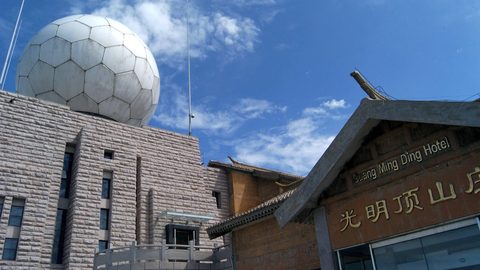 Where to Stay in Anhui for Huangshan and the Villages
Tunxi is the convenient transport hub, Tangkou suits hikers, summit hotels give sunrise access, and village courtyards offer atmosphere but less mobility.
Where to Stay in Anhui for Huangshan and the Villages
Tunxi is the convenient transport hub, Tangkou suits hikers, summit hotels give sunrise access, and village courtyards offer atmosphere but less mobility.
-
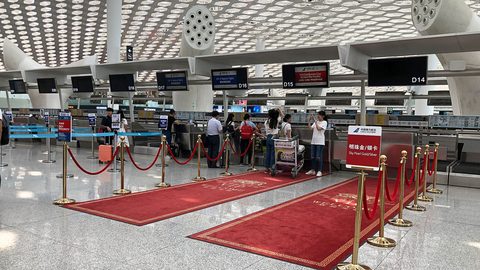 Flying to Anhui or Taking the Train From Shanghai Which Works Better
Flying into Tunxi puts you closest to the mountains, but the Shanghai to Huangshan North train often beats Hefei for total time.
Flying to Anhui or Taking the Train From Shanghai Which Works Better
Flying into Tunxi puts you closest to the mountains, but the Shanghai to Huangshan North train often beats Hefei for total time.
-
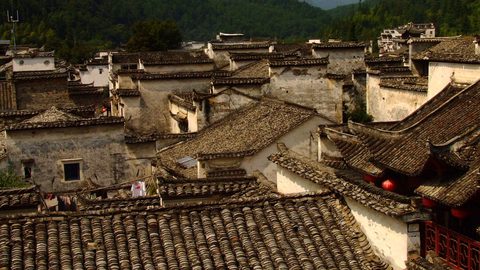 Things to Do in Anhui Beyond Huangshan and Hongcun
Beyond Huangshan, Anhui offers the Taoist Qiyun Shan, the Buddhist Jiuhua Shan, quiet villages like Chengkan, and Qimen black tea country.
Things to Do in Anhui Beyond Huangshan and Hongcun
Beyond Huangshan, Anhui offers the Taoist Qiyun Shan, the Buddhist Jiuhua Shan, quiet villages like Chengkan, and Qimen black tea country.
-
 Best Time to Visit Anhui and Huangshan by Season
April–May and September–October offer the best Anhui weather, but avoid the first week of October and May for National Day and Labour Day crowds.
Best Time to Visit Anhui and Huangshan by Season
April–May and September–October offer the best Anhui weather, but avoid the first week of October and May for National Day and Labour Day crowds.
-
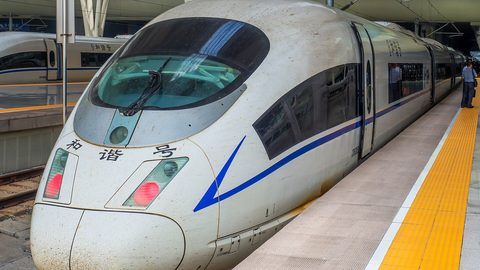 Getting Around Anhui from Shanghai, Hangzhou and Nanjing
High-speed rail from Shanghai, Hangzhou or Nanjing to Huangshan North is the practical gateway, but villages and trailheads need buses or local cars.
Getting Around Anhui from Shanghai, Hangzhou and Nanjing
High-speed rail from Shanghai, Hangzhou or Nanjing to Huangshan North is the practical gateway, but villages and trailheads need buses or local cars.
-
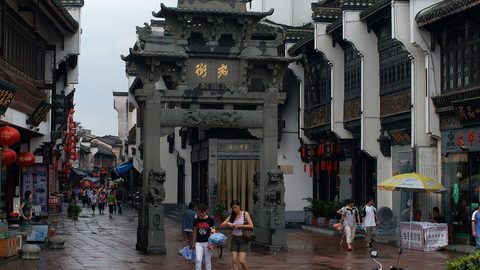 Huangshan City
Tunxi is not Anhui's prettiest town, but its rail station, bus hub and Old Street make it the most useful base.
Huangshan City
Tunxi is not Anhui's prettiest town, but its rail station, bus hub and Old Street make it the most useful base.
-
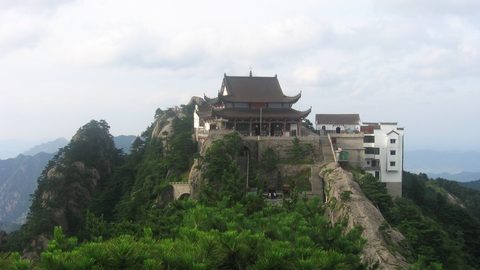 Chizhou
 is the rail gateway to Jiuhua Shan, a sacred Buddhist mountain with temple stays and pilgrimage routes unlike Huangshan.
Chizhou
Chizhou is the rail gateway to Jiuhua Shan, a sacred Buddhist mountain with temple stays and pilgrimage routes unlike Huangshan.