Villages, Tea, Ink and a Second Sacred Peak in Anhui
Beyond Huangshan, Anhui offers the Taoist Qiyun Shan, the Buddhist Jiuhua Shan, quiet villages like Chengkan, and Qimen black tea country.
Anhui Beyond Huangshan and Hongcun
The biggest mistake travellers make in Anhui is treating it like a two-stop trip. They fly into Tunxi, climb Huangshan for a day, photograph the crescent pond at Hongcun, and leave. That version of Anhui is real, but it is also the shallowest one. The province rewards you in direct proportion to how much you are willing to slow down, accept long bus rides, and skip the famous thing in favour of the better thing two valleys over. With five days, you can see a second sacred peak, drink Qimen black tea at its source, walk through a hamlet that was a film set, and handle a four-hundred-year-old inkstone in the workshop where it was made. Stop treating Huangshan as the main event. Treat the whole province as the destination.
A Quieter Taoist Mountain and Buddhism on a Ridge
Huangshan is magnificent. It also demands sunrise queues at 04:30, cable car wait times that eat an hour of your day, and a summit hotel room that costs as much as a night in Shanghai. You should still go, but do not let it consume your entire itinerary. Qiyun Shan, 40 minutes from Tunxi by car, is the smart alternative for anyone who wants granite peaks without the crowds. The Taoist mountain is lower, gentler, and covered in cliff inscriptions carved by pilgrims over centuries. Arrive by 08:30, walk the ridge in three hours, and you will be back in Tunxi for lunch. The summit views are not as dramatic as Huangshan, but you will not share them with a crowd jostling for the same selfie.
Jiuhua Shan: The Buddhist Answer to Huangshan
Jiuhua Shan sits two to three hours north-east of Huangshan by high-speed rail and bus, and it solves a different problem. This is one of China's four sacred Buddhist mountains, dedicated to Kṣitigarbha, the bodhisattva who vowed not to achieve enlightenment until all hells were emptied. The mountain rises to 1,342 metres and holds over 90 temples and nunneries, many built directly into the rock face. Spend a full day here. The atmosphere is entirely unlike Huangshan: incense smoke, chanting, pilgrims climbing on their knees, and a sense that the place is still a living religious site, not just a scenic area. The temples at the summit, particularly the Tiantai Temple complex, are worth the steep cable car ride. Skip the base-of-mountain temple cluster if you are short on time; it is the most crowded and the least interesting.
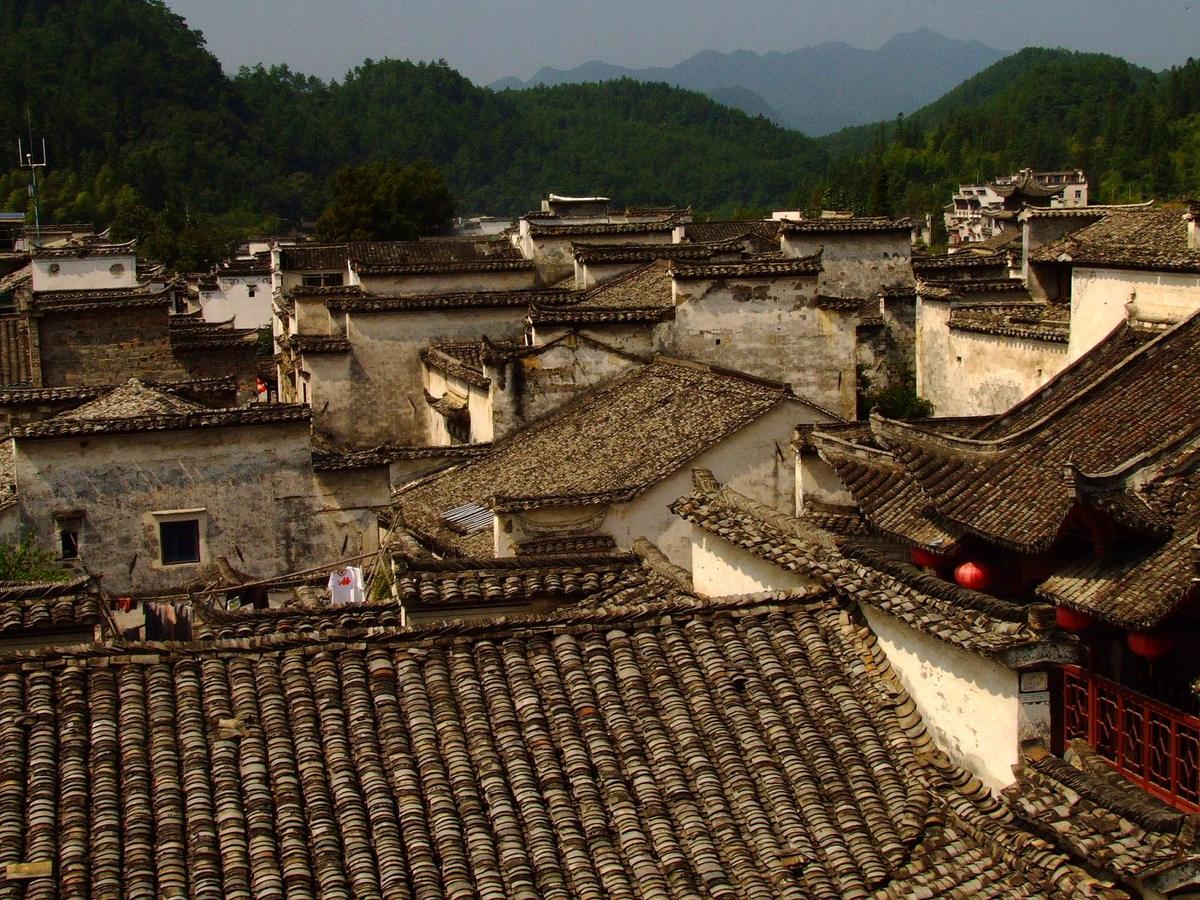

Villages You Should See Instead of the Second Visit to Hongcun
Hongcun is a UNESCO site for good reason, but it is also a UNESCO site for a reason you have seen on a thousand Instagram posts. The crescent pond, the horse-head walls reflected in the water, the tourist groups from Hangzhou shuffling through the ancestral hall. It is worth a morning, but one morning is enough. The settlements that reward a longer stay are the ones without the bus parking lots.
Chengkan, Bishan and Nanping
Chengkan is laid out in the pattern of the Bagua, the eight trigrams of Taoist cosmology, with a maze of lanes designed to confuse evil spirits. The layout works on visitors too. Allow three hours to get lost, find the raised stone walkways over the water system, and realise you have circled back to the same square twice. The crowds here are a fraction of Hongcun's on a good day. Bishan is the opposite of a traditional village experience. It has a famous independent bookstore in a restored ancestral hall, a handful of artist studios, and almost nothing else. That is the point. You go to Bishan to sit, drink tea, and watch the rice paddies steam in the afternoon heat. Nanping is a film location, used for Zhang Yimou's "Ju Dou" and several later period dramas. Its lanes are narrow, its courtyards are unmarked, and the place has not been polished into a heritage product. Walk through in the late afternoon when the light hits the whitewashed walls and you will understand why filmmakers keep coming back. Budget a full day for these three if you drive; a long day if you rely on local buses, because the connections between them are slow.
Shexian and the Huizhou Ink Tradition
Shexian is a county town, not a village, but it holds two workshops worth an hour each. The Huizhou ink workshops here still make ink sticks from pine soot and animal glue, pounded and moulded by hand. The inkstone workshops cut She stone from Longwei Mountain and carve it into the polished black slabs that calligraphers pay hundreds of dollars for. Visit the workshops in the morning, before the heat or the dust fog the experience. The adjacent Huizhou Ancient City is a walled old town that feels lived in, not preserved. Walk the main street, skip the ticket-booth attractions inside the walls, and eat at one of the noodle shops near the east gate.
Tea Country: Where to Drink Qimen Black Tea at the Source
Most travellers in China drink tea. Very few go to the county where the tea was invented. Qimen County, a two-hour drive west from Tunxi, is the only place on earth that produces genuine Keemun black tea. The harvest runs from April to June, and the Qimen Black Tea Museum is the logical starting point. Give it 45 minutes to understand the grading system, then ask the staff for a tasting. The good stuff tastes nothing like the dusty Keemun you find in export supermarkets. It has a floral, almost smoky depth with a finish that lasts longer than most wines. Arrange a visit to a working tea factory in the surrounding hills if you can. The plantations in Qimen are terraced into valleys that flood with mist by mid-morning, and the contrast with the bright green leaves is one of the best photographs you will take in Anhui.
If you cannot make it to Qimen, the Xin'an River Gallery is the backup plan. This stretch of the Xin'an River, between Shexian and the Zhejiang border, is best seen by boat. The standard tour runs two hours and passes through gorges lined with tea terraces and isolated settlements. The light is best at 15:00 when the sun drops behind the western ridge and the river turns grey-green. Skip the tourist ferries with the loudspeaker commentary. Rent a private boat from the dock at Shexian for about the same price, and you control the stops.
_BHL46206073.jpg)
One Final Instruction Before You Plan Your Route
Book your nights in the order that saves travel time, not the order that minimises hotel changes. Put your Huangshan day in the middle of the trip, not at the end. Stay in Tangkou the night before you climb, so you can start the cable car queue at 07:00 when it opens. Spend the nights before and after in Tunxi, so you have a base for the villages and the tea country. Do not book a single base and try to loop back to it every evening. The distances between Qiyun Shan, the villages, and Qimen are long enough that a day spent returning to Tunxi is a day wasted.
Common Questions
How many days do I need to see Anhui beyond Huangshan?
Five days minimum. That gives you one day for Huangshan, one day for a second mountain like Qiyun Shan or Jiuhua Shan, one day for villages, and one day for tea country or the Xin'an River Gallery, with a buffer for travel. Fewer than five days forces you to pick between the mountain and the villages, which is the wrong choice.
Is Hongcun worth visiting at all, or should I skip it entirely?
Hongcun is worth a morning, not a full day. Arrive by 08:00 before the tour buses from Huangshan arrive, see the crescent pond and the ancestral halls, and leave by 11:00. The afternoon belongs to Chengkan or Nanping, which are quieter and more rewarding for a longer stay.
Can I visit Qiyun Shan and Jiuhua Shan in the same trip?
Yes, but not on the same day. Qiyun Shan is a half-day trip from Tunxi. Jiuhua Shan is a full-day trip from Hefei or Wuhu, at least two hours away. They make sense on separate days with an overnight in between. Trying to do both in one day is a mistake that will leave you seeing neither properly.
What is the best way to get from Tunxi to the villages like Chengkan and Bishan?
Pre-arranged car through your guesthouse is the most reliable option. Local buses exist but run infrequently, and English signage at rural bus stops is almost non-existent. Expect to pay a fair local rate for a half-day car hire. Didi does not work reliably in these villages.
Where should I eat to try Anhui's famous stinky mandarin fish?
Tunxi Old Street has a dozen restaurants that serve chou guiyu, but the quality varies. The best versions are in the small family-run places on the side streets off Old Street, not the main tourist-facing ones. The fish should smell pungent but taste clean, almost floral. If it smells purely like rot, send it back.
Read next
-
 Anhui Hotels from Huangshan Summit to Huizhou Courtyards
Huangshan summit hotels sell out weeks ahead and are the only legal way to sleep on the mountain; village guesthouses trade comfort for atmosphere.
Anhui Hotels from Huangshan Summit to Huizhou Courtyards
Huangshan summit hotels sell out weeks ahead and are the only legal way to sleep on the mountain; village guesthouses trade comfort for atmosphere.
-
 Where to Stay in Anhui for Huangshan and the Villages
Tunxi is the convenient transport hub, Tangkou suits hikers, summit hotels give sunrise access, and village courtyards offer atmosphere but less mobility.
Where to Stay in Anhui for Huangshan and the Villages
Tunxi is the convenient transport hub, Tangkou suits hikers, summit hotels give sunrise access, and village courtyards offer atmosphere but less mobility.
-
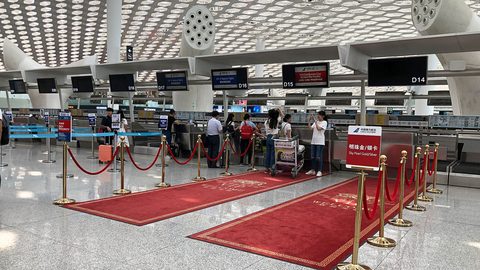 Flying to Anhui or Taking the Train From Shanghai Which Works Better
Flying into Tunxi puts you closest to the mountains, but the Shanghai to Huangshan North train often beats Hefei for total time.
Flying to Anhui or Taking the Train From Shanghai Which Works Better
Flying into Tunxi puts you closest to the mountains, but the Shanghai to Huangshan North train often beats Hefei for total time.
-
 Best Time to Visit Anhui and Huangshan by Season
April–May and September–October offer the best Anhui weather, but avoid the first week of October and May for National Day and Labour Day crowds.
Best Time to Visit Anhui and Huangshan by Season
April–May and September–October offer the best Anhui weather, but avoid the first week of October and May for National Day and Labour Day crowds.
-
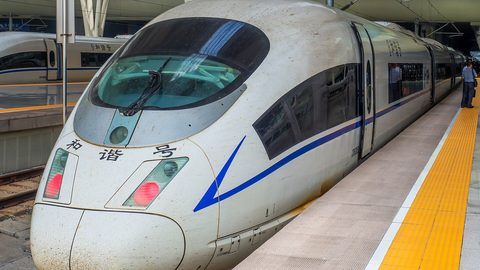 Getting Around Anhui from Shanghai, Hangzhou and Nanjing
High-speed rail from Shanghai, Hangzhou or Nanjing to Huangshan North is the practical gateway, but villages and trailheads need buses or local cars.
Getting Around Anhui from Shanghai, Hangzhou and Nanjing
High-speed rail from Shanghai, Hangzhou or Nanjing to Huangshan North is the practical gateway, but villages and trailheads need buses or local cars.
-
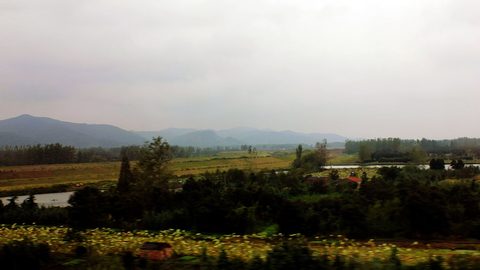 Anhui Itinerary for Two, Three and Four Days
A two-day Anhui trip should focus on Huangshan alone; three days adds Hongcun or Xidi; four days can include Qiyun Shan or quieter villages.
Anhui Itinerary for Two, Three and Four Days
A two-day Anhui trip should focus on Huangshan alone; three days adds Hongcun or Xidi; four days can include Qiyun Shan or quieter villages.
-
 Huangshan (Yellow Mountain)
Huangshan's south gate, cable car choices and summit loop explained, so you can plan a realistic one- or two-day mountain route.
Huangshan (Yellow Mountain)
Huangshan's south gate, cable car choices and summit loop explained, so you can plan a realistic one- or two-day mountain route.
-
 Xuancheng
What Xuancheng prefecture offers travellers moving between Huangshan and the Yangtze, from paper-making towns to quiet bamboo valleys.
Xuancheng
What Xuancheng prefecture offers travellers moving between Huangshan and the Yangtze, from paper-making towns to quiet bamboo valleys.
-
 Huangshan City
Tunxi is not Anhui's prettiest town, but its rail station, bus hub and Old Street make it the most useful base.
Huangshan City
Tunxi is not Anhui's prettiest town, but its rail station, bus hub and Old Street make it the most useful base.