Choosing a Base in Tunxi, Tangkou, the Summit or a Village
Tunxi is the convenient transport hub, Tangkou suits hikers, summit hotels give sunrise access, and village courtyards offer atmosphere but less mobility.
You cannot base yourself in one spot for the whole trip. Anhui is a province of long, slow connections. The practical question is which base you pick for which night. You need at least three different sleeping locations across a five-day itinerary. The four base types are Tunxi, Tangkou, the summit and a village guesthouse. Each solves one problem and creates another. Your first night belongs to Tunxi. Your second belongs to Tangkou or the summit. Your third belongs in a village. Here is the trade-off in each.
Tunxi: the Transport Hub That Costs You Mountain Time
Tunxi gives you the widest range of hotels at CNY 150 to 400 per night, the best food, and direct high-speed rail connections from Shanghai, Hangzhou, Hefei, Beijing and Nanjing via Huangshan North Railway Station. Tunxi Old Street is a tourist corridor of Ming-Qing style buildings, sesame cakes and stinky mandarin fish. Arrive by rail, you stay here your first night. Fly into Huangshan Tunxi International Airport, you stay here your first night. It is easy, it works and you can find English menus.
The downside is distance. Tunxi sits 60 kilometres from the Huangshan south entrance. By bus or car, that is 60 to 90 minutes each way. Base yourself here and try to summit and descend in one day, you arrive at the cable car after the early morning crowd has already queued. Tunxi suits the traveller who arrives late, leaves early, and uses the town as a bookend, not a permanent camp.

Tangkou: the Hiker’s Gate That Skips the Commute
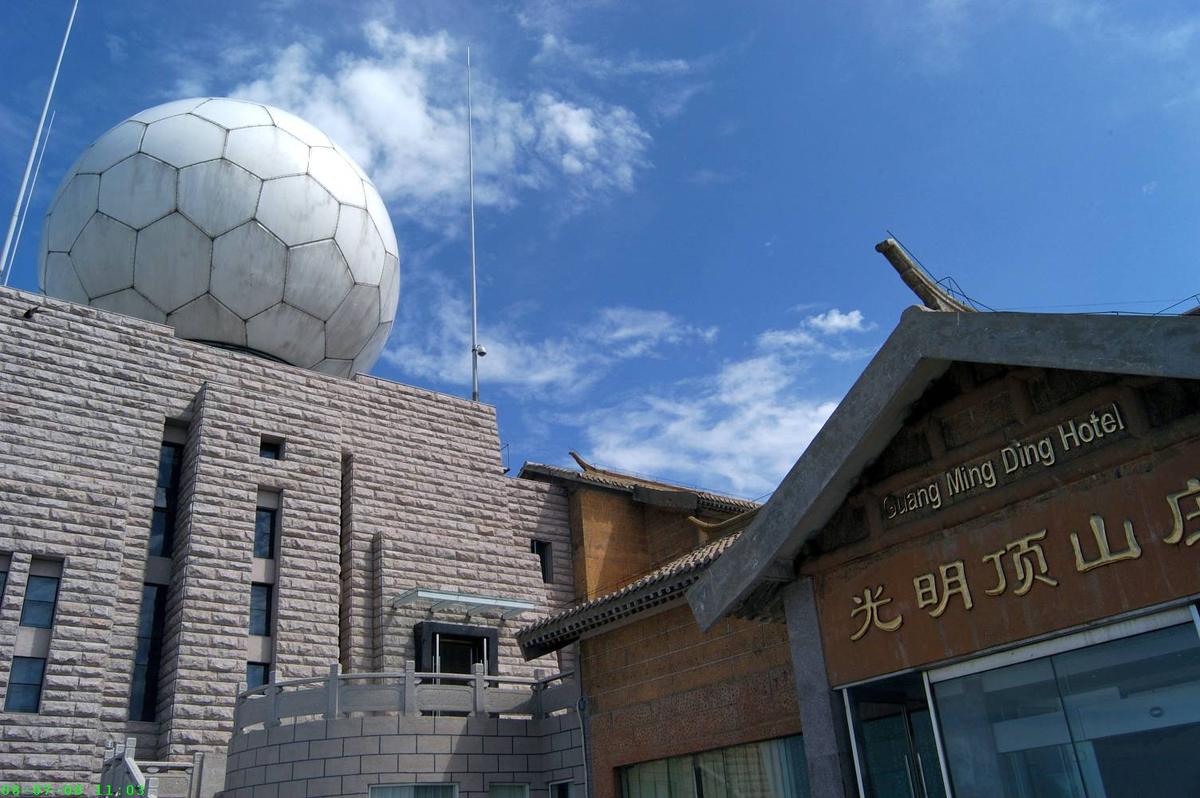
Tangkou sits directly at the south gate of the Huangshan Scenic Area. Hotels run CNY 120 to 350 per night. From here you walk or ride a short shuttle to the Yungu or Ciguang cableway stations. If your goal is a pre-dawn mountain start, this is where you sleep. You wake, you walk, you are on the slopes by the time Tunxi-based travellers are still in their taxi. That is the entire reason to pick this town.
What You Trade Away
The trade-off is character. Tangkou is a transit town built for foot traffic to the peak, not for strolling. It has convenience stores, noodle shops and hotel lobbies. It does not have a painted-village atmosphere. You do not linger here. You sleep, you eat a quick dinner of Huangshan baked wheat cake or braised bamboo shoots with ham, and you go to bed early because you plan to be on the cable car by 07:00. Want a sunset walk through Huizhou lanes? Wrong place.
The Summit: Expensive, Basic and the Only Way to See Sunrise
The six summit hotels are Beihai Hotel, Shilin Hotel, Xihai Hotel, Yupinglou Hotel, Baiyun Hotel and Paiyunlou Hotel. A standard double room runs CNY 800 to 1,500 per night. A dormitory bed runs CNY 200 to 350. Rooms are small. Walls are thin. Shared bathrooms exist in lower categories. You pay for location, not comfort. That location gives you sunrise and sunset without descending, which means you see the sea of clouds at golden hour while day trippers rush for the last cable car down.
Book Early or Sleep Elsewhere
Summit hotels sell out. Book up to 30 days ahead, especially for the April-to-May and September-to-October peak periods, and absolutely for National Day week, October 1 to 7. July and August are peak too. Do not book, do not sleep on the mountain. Sleeping outside is not allowed. If your plan is a single day on the summit without an overnight, the ticket price is lower but you lose the best light. The decision is straightforward: if you can afford the room and you care about sunrise, book it. If you cannot or you do not, stay in Tangkou and start early.
Village Guesthouses: Atmosphere with an Evening Lock-In
Hongcun courtyard guesthouses run CNY 200 to 500 per night. Xidi runs CNY 180 to 450. The entrance ticket to either is CNY 104 annually. You pay once and can stay inside for multiple days, but the ticket office stops selling entry passes after a certain hour. Once you are inside after dark, you are inside. Public transport stops. Didi does not reliably work. If you want to eat at a restaurant outside the village wall, call your guesthouse host to find a local driver.
Hongcun Versus Xidi
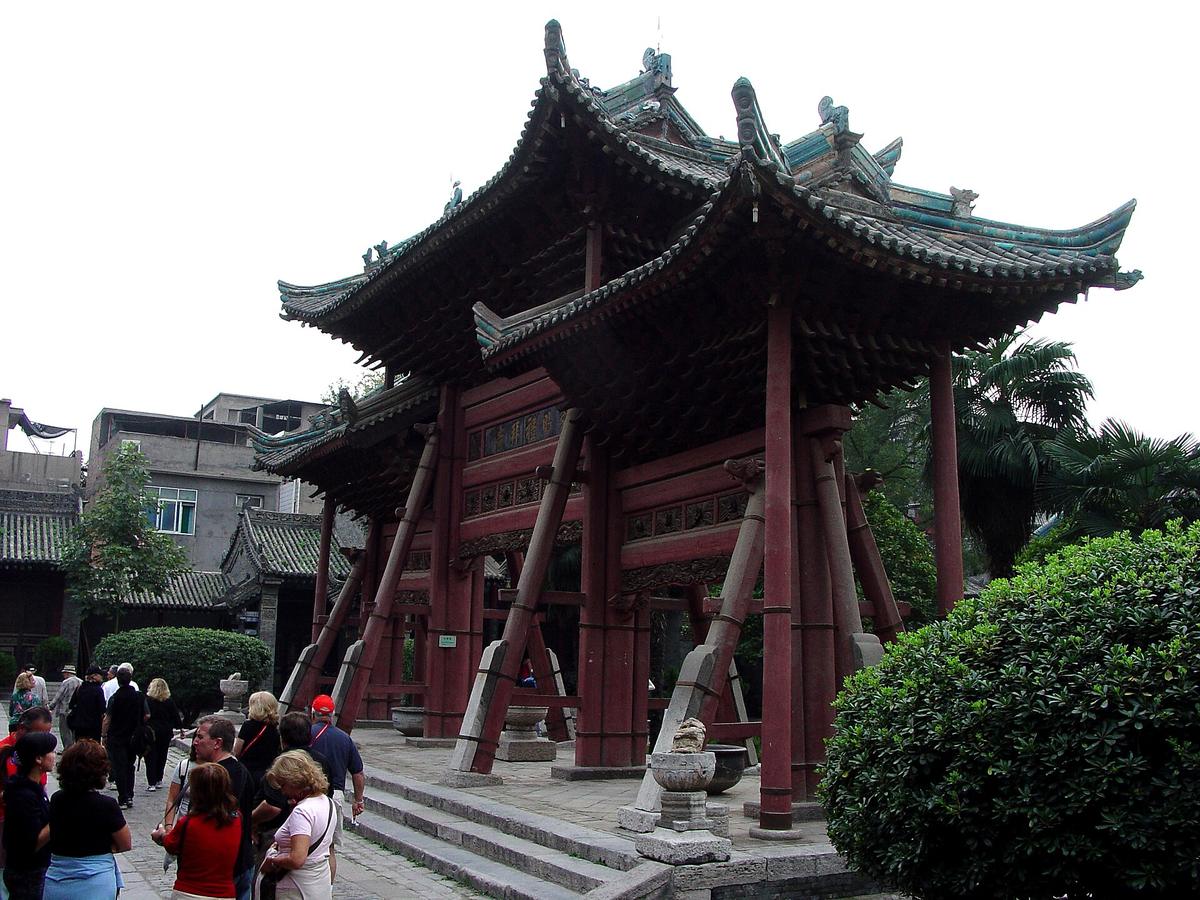
Hongcun is the famous one. It is busy by day with tour groups photographing the crescent pond and the arched bridge. By evening those groups leave, and the settlement becomes quiet. Xidi is the quieter alternative, with ornate ancestral halls and a similar price band. Both give you the Huizhou architecture experience: white walls, grey tiles, narrow lanes, the feeling of being inside a UNESCO site after the ticket scanners go dark. That atmosphere is the reason to stay inside a village. The cost is mobility. Do not stay in a village if you plan a day trip to the mountain from there. The transfer from Hongcun to Tangkou takes longer than from Tunxi. Villages are for your last one or two nights, when you are done with the mountain and ready to slow down.

The Three-Base Itinerary Across Five Days
Night One: Tunxi
Arrive by rail or air. Walk Huangshan Old Street for dinner. Stinky mandarin fish is the signature dish. Mao tofu is for the adventurous. Drink Qimen black tea at a teahouse. Sleep in a mid-range hotel for CNY 200 to 300. Do not try to see anything outside town on arrival night.
Night Two: Tangkou or the Summit
Take the 60-minute bus from Tunxi to Tangkou in the morning. Booked a summit hotel? Take the cable car up and sleep at altitude. Did not? Stay in a Tangkou guesthouse for CNY 150 to 250. Start the mountain early the next day. The pre-dawn start is the only reliable way to avoid the 10:00 crowd at the cable car.
Night Three: Tangkou or the Summit
Slept on the summit? This is your descent day. Descend by cable car mid-afternoon, collect your luggage from Tangkou storage and transfer to a village. Did the mountain as a day trip from Tangkou? You already spent night two there and now you move.
Nights Four and Five: A Village
Hongcun or Xidi. Two nights let you see the village in evening and morning light without rush. On the fifth day, transfer back to Tunxi (1 to 1.5 hours by bus or car) and connect to your rail departure out of Huangshan North station.
Common Questions
Should I stay in a village or in Tunxi for my first night?
Tunxi. You arrive tired from the train or flight. Tunxi has the widest hotel range, English-friendly restaurants and direct connections. Villages require a bus or car transfer and a ticket purchase after a long travel day. Do not start your trip with that friction.
Can I see Huangshan in one day from Tunxi?
Technically yes, but you lose the best light. The bus from Tunxi to Tangkou takes 60 to 90 minutes. The cable car queue adds another 30 to 60 minutes in peak season. You gain the summit by mid-morning and must descend by late afternoon for the last cable car. You miss sunrise and sunset. A day trip works only if you cannot afford summit prices and you accept that you will see the peaks under midday flat light.
Is a dormitory bed on the summit worth it?
Yes, if your budget cannot stretch to a private room. The dormitory gives you the same sunrise and sunset access. The room is basic. Earplugs help. Book it 30 days ahead. The alternative is no summit overnight at all.
Which village is better for a quiet stay, Hongcun or Xidi?
Xidi. It has the same Huizhou architecture, similar price band and noticeably fewer day trippers. Hongcun is more polished and more photographed. For atmosphere in the evening, both work. For lower crowd density, pick Xidi.
What is the biggest mistake travellers make with accommodation in Anhui?
Trying to use one base for everything. A traveller staying in Tunxi tries to day-trip to Huangshan, Hongcun and Xidi from one room. The distances between these points are 60 to 90 minutes each way. You spend more time on the road than at the sights. A five-day trip needs three different sleeping locations.
Read next
-
 Anhui Hotels from Huangshan Summit to Huizhou Courtyards
Huangshan summit hotels sell out weeks ahead and are the only legal way to sleep on the mountain; village guesthouses trade comfort for atmosphere.
Anhui Hotels from Huangshan Summit to Huizhou Courtyards
Huangshan summit hotels sell out weeks ahead and are the only legal way to sleep on the mountain; village guesthouses trade comfort for atmosphere.
-
 Flying to Anhui or Taking the Train From Shanghai Which Works Better
Flying into Tunxi puts you closest to the mountains, but the Shanghai to Huangshan North train often beats Hefei for total time.
Flying to Anhui or Taking the Train From Shanghai Which Works Better
Flying into Tunxi puts you closest to the mountains, but the Shanghai to Huangshan North train often beats Hefei for total time.
-
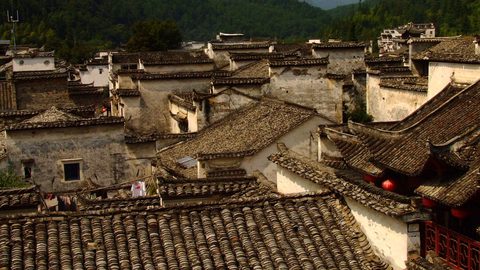 Things to Do in Anhui Beyond Huangshan and Hongcun
Beyond Huangshan, Anhui offers the Taoist Qiyun Shan, the Buddhist Jiuhua Shan, quiet villages like Chengkan, and Qimen black tea country.
Things to Do in Anhui Beyond Huangshan and Hongcun
Beyond Huangshan, Anhui offers the Taoist Qiyun Shan, the Buddhist Jiuhua Shan, quiet villages like Chengkan, and Qimen black tea country.
-
 Best Time to Visit Anhui and Huangshan by Season
April–May and September–October offer the best Anhui weather, but avoid the first week of October and May for National Day and Labour Day crowds.
Best Time to Visit Anhui and Huangshan by Season
April–May and September–October offer the best Anhui weather, but avoid the first week of October and May for National Day and Labour Day crowds.
-
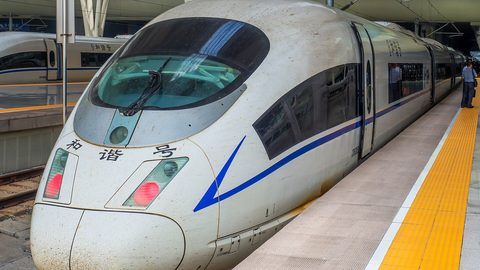 Getting Around Anhui from Shanghai, Hangzhou and Nanjing
High-speed rail from Shanghai, Hangzhou or Nanjing to Huangshan North is the practical gateway, but villages and trailheads need buses or local cars.
Getting Around Anhui from Shanghai, Hangzhou and Nanjing
High-speed rail from Shanghai, Hangzhou or Nanjing to Huangshan North is the practical gateway, but villages and trailheads need buses or local cars.
-
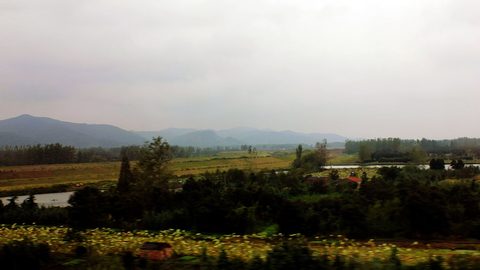 Anhui Itinerary for Two, Three and Four Days
A two-day Anhui trip should focus on Huangshan alone; three days adds Hongcun or Xidi; four days can include Qiyun Shan or quieter villages.
Anhui Itinerary for Two, Three and Four Days
A two-day Anhui trip should focus on Huangshan alone; three days adds Hongcun or Xidi; four days can include Qiyun Shan or quieter villages.
-
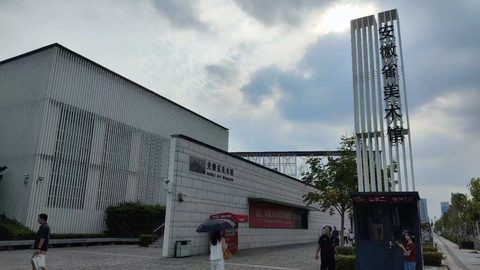 Huangshan (Yellow Mountain)
Huangshan's south gate, cable car choices and summit loop explained, so you can plan a realistic one- or two-day mountain route.
Huangshan (Yellow Mountain)
Huangshan's south gate, cable car choices and summit loop explained, so you can plan a realistic one- or two-day mountain route.
-
 Xuancheng
What Xuancheng prefecture offers travellers moving between Huangshan and the Yangtze, from paper-making towns to quiet bamboo valleys.
Xuancheng
What Xuancheng prefecture offers travellers moving between Huangshan and the Yangtze, from paper-making towns to quiet bamboo valleys.
-
 Huangshan City
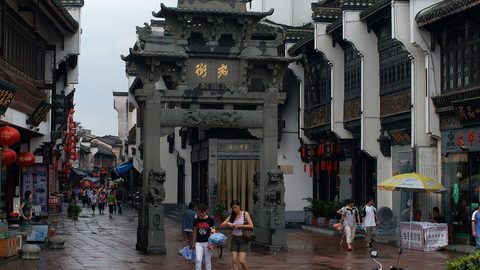
Tunxi is not Anhui's prettiest town, but its rail station, bus hub and Old Street make it the most useful base.
Huangshan City
Tunxi is not Anhui's prettiest town, but its rail station, bus hub and Old Street make it the most useful base.