The Overnight Sleeper Train From Shanghai to Huangshan and What Each Class Gets You
A practical guide to The Overnight Sleeper Train From Shanghai to Huangshan and What Each Class Gets You.

What the overnight train actually is
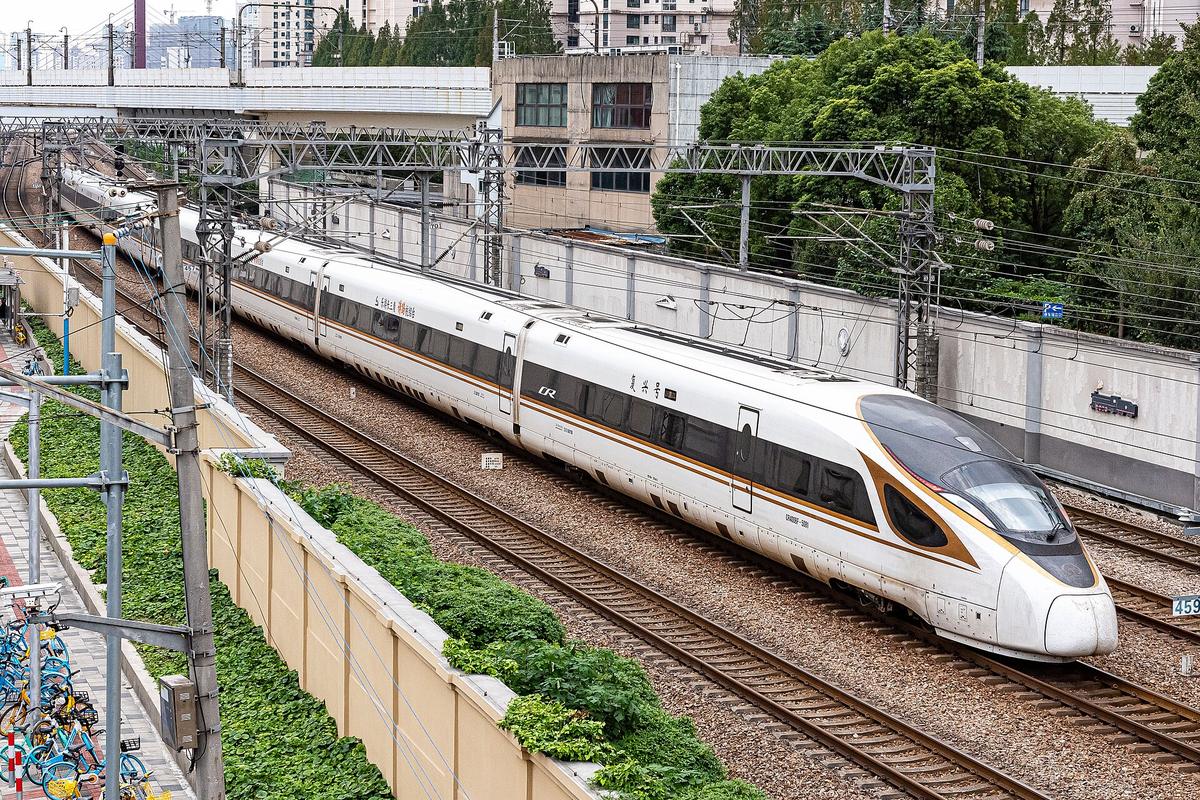
Shanghai to Huangshan by rail splits into two very different journeys. The high-speed option puts you at Huangshan North in two to three and a half hours, seated in a standard carriage. The overnight alternative is a conventional K-class service numbered K8418/K8419, operated by China Railway Shanghai Group. It departs from Shanghai Railway Station, the older downtown terminal, and runs on the conventional rail network rather than the high-speed line. The journey covers roughly 672 kilometres and takes about ten hours and fifty-five minutes, leaving in the evening and arriving the following morning at Huangshan Railway Station in the Tunxi district. That station is the city's old downtown hub, not the newer Huangshan North station that handles high-speed arrivals and sits about fifteen kilometres away.
Because this is a conventional train, it offers sleeper accommodation that the high-speed services do not. You trade speed for a night on the rails and a morning arrival roughly sixty kilometres from the Yellow Mountain scenic area's south gate at Tangkou. The train itself may use single-deck sleeper carriages; double-decker carriages that once appeared during peak periods were being phased out as of early 2025, so what you board depends on the season and China Railway's rolling stock allocation.
The four classes explained
The K8418/K8419 offers four distinct classes, and the gap between the cheapest and most comfortable is significant. Hard seat is the most basic option, an upright seat in an open carriage with no sleeping provision. Soft seat offers a marginally more padded seat in a similar open layout. Neither gives you a berth, and for an overnight journey of nearly eleven hours, that matters.
Hard sleeper is the entry point for lying flat. Each carriage is divided into open-plan bays of six berths, stacked as upper, middle, and lower on both sides of a central aisle. Bedding is provided, but there is no compartment door, so light, noise, and foot traffic from the corridor are constant companions. Power sockets are limited per carriage, and you will likely be sharing with strangers. Soft sleeper moves you into a lockable enclosed compartment with four berths, two upper and two lower. Each compartment has a sliding door, individual reading lights, a table, and typically one shared power socket. The privacy and quieter environment are the main upgrades, along with more space to sit upright on the lower berth.
Where you arrive and what comes next
Huangshan Railway Station sits in Tunxi, the old downtown district. It is not the gateway to the mountains that Huangshan North has become for high-speed travellers, but it has its own direct connection. From the station square, buses run to the Huangshan Scenic Area south gate at Tangkou, a trip of about sixty kilometres that takes roughly one hour. These services operate during daytime hours only, so an early-morning arrival on the sleeper train aligns reasonably well with the first departures.
If you took a high-speed train instead, you would arrive at Huangshan North Railway Station, which has a dedicated Tourism Passenger Transport Hub. Shuttle buses from there to the same south gate at Tangkou take about fifty minutes. Both stations ultimately serve the same mountain access point, but the sleeper train deposits you in the city centre rather than a purpose-built transport hub on the outskirts.
Booking as a foreign passport holder
Foreign travellers can book tickets for the K8418/K8419 through the official China Railway 12306 English-language website or mobile app. The process requires a one-time online identity verification before you can complete a purchase. Once verified, you can search for trains, select your class, and pay through the platform. The official pre-sale window opens approximately fifteen days before departure. Third-party platforms also list this train, but the 12306 system is the authoritative source for schedules and availability.
Choosing between overnight and high-speed
The decision hinges on what you value more: time or the experience of a sleeper train. High-speed services from Shanghai to Huangshan North take between two and three and a half hours and run frequently, with around fifty to sixty direct departures daily from stations including Hongqiao, Shanghai South, and Shanghai. Those trains offer only second class, first class, and business class seats. You arrive the same day, rested or not, and connect to the mountain via the shuttle hub at Huangshan North.
The overnight K-class train consumes an evening and a morning but saves you a hotel night and puts you in Tunxi rather than at the newer transport hub. The tradeoff is comfort and privacy, which vary sharply by class. A hard sleeper berth is functional and affordable but offers little seclusion. A soft sleeper compartment gives you a door you can lock and a quieter environment, at a higher fare. Neither option matches the speed of a daytime high-speed seat, but neither is trying to. The overnight train is a deliberate choice to travel while you sleep and wake up closer to the mountain, albeit at the older downtown station with a longer bus ride ahead.
What you cannot know until you book
Several details about this journey are genuinely variable and cannot be stated as fixed facts. China Railway operates on a "one day, one diagram" policy, meaning the K8418/K8419 schedule, carriage composition, and even whether the train runs on a given date can change daily. The only way to confirm departure time and availability for a specific date is to query the official 12306 system. Ticket prices across all four classes are also subject to change and may vary by season; the official fare is confirmed only at the point of booking. Bus schedules from both Huangshan Railway Station and Huangshan North to the scenic area shift with the seasons and are adjusted during holiday periods. First and last departure times should be verified on the day of travel through the Huangshan Scenic Area Management Committee's transport information channels.
Sources and verification
- huoche.911cha.com — Research source checked for this guide
- trip.com — Research source checked for this guide
- seat61.com — Research source checked for this guide
- chinahighlights.com — Research source checked for this guide
- travelchinaguide.com — Research source checked for this guide
- huangshan.gov.cn — Research source checked for this guide
Read next
-

 Anhui Hotels from Huangshan Summit to Huizhou Courtyards
Huangshan summit hotels sell out weeks ahead and are the only legal way to sleep on the mountain; village guesthouses trade comfort for atmosphere.
-
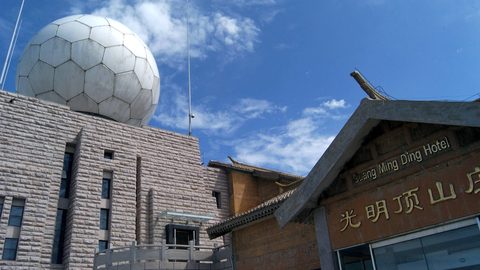 Where to Stay in Anhui for Huangshan and the Villages
Tunxi is the convenient transport hub, Tangkou suits hikers, summit hotels give sunrise access, and village courtyards offer atmosphere but less mobility.
-
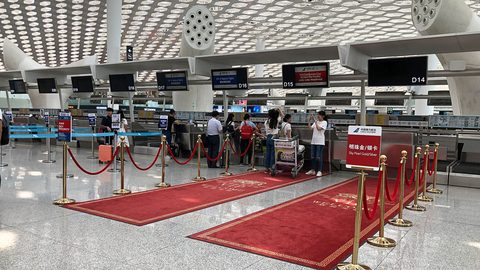 Flying to Anhui or Taking the Train From Shanghai Which Works Better
Flying into Tunxi puts you closest to the mountains, but the Shanghai to Huangshan North train often beats Hefei for total time.
-
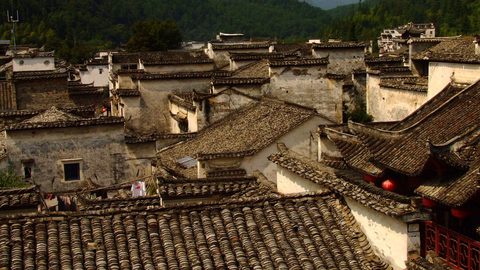 Things to Do in Anhui Beyond Huangshan and Hongcun
Beyond Huangshan, Anhui offers the Taoist Qiyun Shan, the Buddhist Jiuhua Shan, quiet villages like Chengkan, and Qimen black tea country.
-
 Best Time to Visit Anhui and Huangshan by Season
April–May and September–October offer the best Anhui weather, but avoid the first week of October and May for National Day and Labour Day crowds.
-
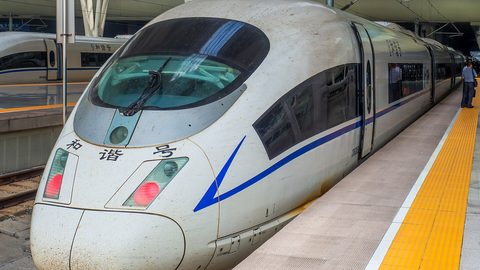 Getting Around Anhui from Shanghai, Hangzhou and Nanjing
High-speed rail from Shanghai, Hangzhou or Nanjing to Huangshan North is the practical gateway, but villages and trailheads need buses or local cars.
-
 Huangshan (Yellow Mountain)
Huangshan's south gate, cable car choices and summit loop explained, so you can plan a realistic one- or two-day mountain route.
-
 Xuancheng
What Xuancheng prefecture offers travellers moving between Huangshan and the Yangtze, from paper-making towns to quiet bamboo valleys.
-
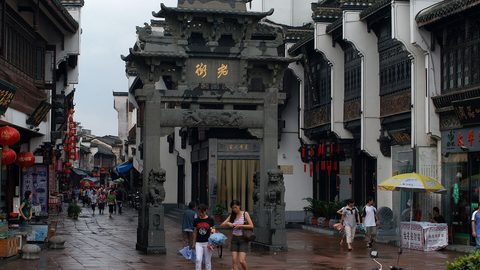 Huangshan City
Tunxi is not Anhui's prettiest town, but its rail station, bus hub and Old Street make it the most useful base.