Anhui Tea Harvest Season Where to Go and What Visitors Can See
A practical guide to Anhui Tea Harvest Season Where to Go and What Visitors Can See.
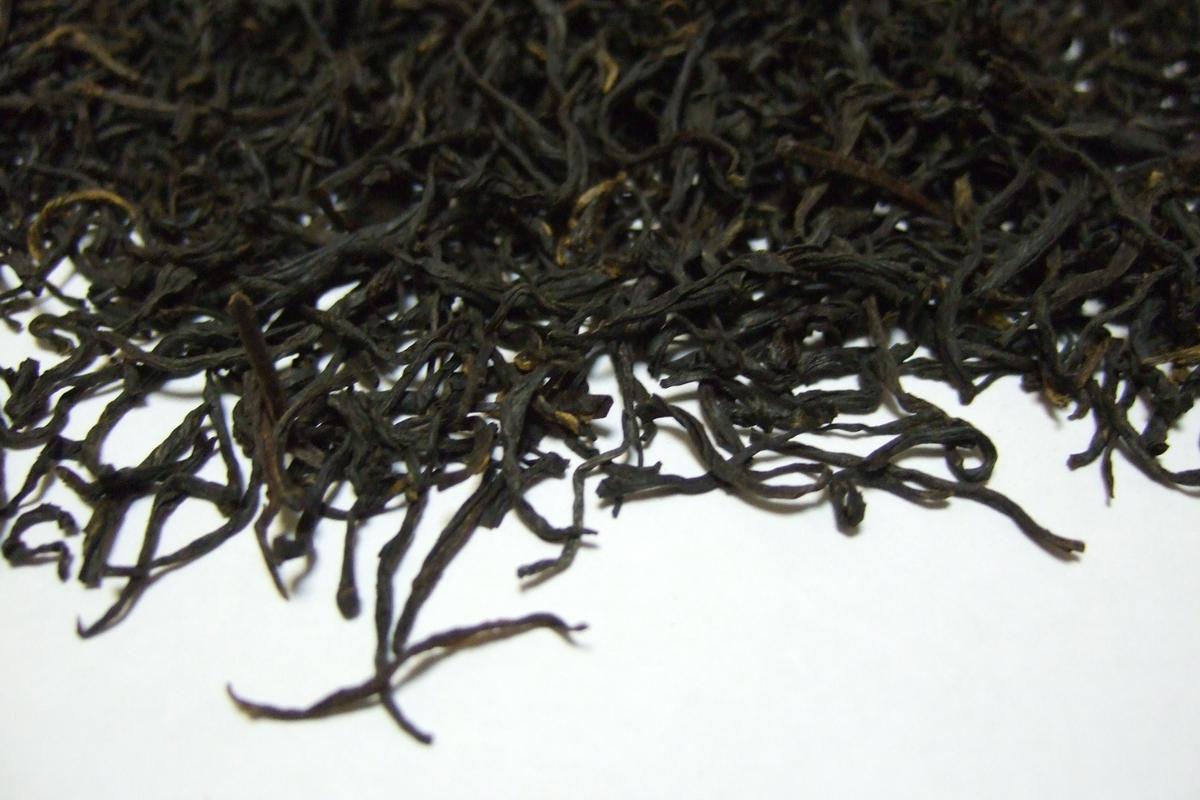

What defines the Anhui spring tea season
Across Anhui, the spring tea harvest unfolds from late March through early May. This window is not a single event but a staggered rhythm dictated by tea variety, altitude and the shifting temperatures of each microclimate. For anyone planning a visit around fresh leaf picking, the calendar is the first thing to understand. Some teas are gathered before the Qingming festival in early April, while others wait until Grain Rain later in the month. The province's most celebrated green teas and its renowned black tea all have their own harvest logic, and knowing which valleys and villages come alive at which moment turns a general trip into a focused seasonal journey.
Huangshan Maofeng and the early spring rush
The earliest major harvest belongs to Huangshan Maofeng, a green tea whose highest-grade leaves are picked before Qingming, around the first week of April. In the core production area of Fuxi township, within Huangshan city's Huizhou district, picking typically begins in mid-to-late March. The most prized grade, known as Te Ji or Special grade, is gathered during this narrow pre-Qingming window when the buds are still tender and covered in fine white down.
Visitors who arrive during this period can see the flurry of activity in the small-production-zone gardens. The 18th Huangshan Maofeng New Product Promotion Season and Fuxi Small-Production-Zone Tea Opening Event was held on 28 March 2026, marking the official start of that year's harvest. Such opening events are a recurring seasonal fixture, though exact dates shift annually with the weather. For a more hands-on encounter, the Xieyuda Tea Culture Museum in Qiankou town, Huizhou district, offers tea-picking, traditional tea-frying, tea ceremony performances and tasting. Entry is free. Before visiting, confirm current opening hours and the availability of picking experiences directly with the museum.
Taiping Houkui and the Grain Rain harvest
Unlike the early Qingming teas, Taiping Houkui green tea is harvested around Grain Rain, which falls near 19 or 20 April. Its native Shi Da Cha cultivar buds late, so the harvest window lasts roughly 14 to 20 days after Grain Rain rather than before it. This makes the second half of April the prime time to witness Taiping Houkui production.
The authentic heartland lies in three villages near Taiping Lake in Huangshan district: Houkeng, Hougang and Yanjia, also known as Yanjiachun. Houkeng village is particularly significant. The 2026 spring picking season officially opened there on 16 April, a date that illustrates the typical mid-April start. Visitors who travel to these lakeside villages during the harvest can observe the distinctive processing method that produces the tea's famously long, flat leaves. The landscape itself, with terraced gardens descending toward Taiping Lake, is a compelling reason to make the trip even beyond the harvest activity.
Keemun black tea in Qimen county
Anhui's tea harvest is not limited to green varieties. Keemun, or Qimen, black tea comes from Qimen county in Huangshan city, and its spring season runs from early April through early May. The top Hao Ya grade is picked as single buds in late March to early April, overlapping with the Qingming period. This means a visitor could theoretically move from the Maofeng gardens to the Qimen black tea fields within the same week and catch two very different harvests at their peak.
The Qimen Black Tea Museum in Qishan town provides context for what you see in the fields. Its seven exhibition halls cover the culture, history, craftsmanship and heritage of Qimen black tea, and there is a tasting area with tea ceremony performances. Combining a morning in the surrounding tea gardens with an afternoon at the museum creates a fuller picture of why this black tea has held its reputation for more than a century.
Lu’an Guapian and the single-leaf method
Further west, in Lu'an city, Lu'an Guapian green tea follows a harvest calendar similar to Taiping Houkui, centred on Grain Rain with a window of about ten days on either side. What sets it apart is the plucking standard: only single mature leaves are used, with no buds and no stems. Among Chinese green teas, this practice is unique, and seeing it in action reveals a deliberate, selective approach that shapes the tea's character.
The geographical indication protection zone spans 26 townships across five counties and districts, but the core inner-mountain areas are in Jinzhai county, including Qishan and Xianghongdian, and Yu'an district, around Dushan and Shiposhe. Tea gardens here sit at elevations between 300 and 800 metres. One accessible point for visitors is the Lu'an West Tea Valley Theme Park in Mianchong village, Youfangdian township, Jinzhai county. The park covers roughly 3,180 mu of tea gardens and includes a sightseeing pier with nine tour boats, 5,400 metres of viewing trails, a Guapian intangible cultural heritage experience centre, and opportunities for tea-picking and tea-making. Tour boat schedules and ticket prices vary by season, so check with the Jinzhai County Culture and Tourism Bureau before planning a visit.
Shitai county and selenium-rich tea tourism
Shitai county in Chizhou city adds another dimension to Anhui's tea season. The 5th Anhui Tea Tourism Conference and 23rd Shitai Tea Culture Festival took place from 17 to 19 April 2026, combining tea culture experiences, selenium-rich industry forums and tea garden tourism. This mid-April timing aligns well with the broader spring harvest calendar and offers a structured way to engage with the region's tea culture.
The Xihuangshan Selenium-Rich Agri-Tourism Resort, a national AAA-level scenic area in Shitai county, brings several elements together in one location. It includes a selenium-rich tea expo garden, a tea production experience centre, a selenium culture exhibition hall, a theme inn and a health-focused restaurant. For a visitor interested in the intersection of tea, geology and wellness, this resort provides a concentrated experience without needing to coordinate multiple stops across the county.
How to plan around shifting harvest dates
Every harvest date mentioned here is a reliable pattern, not a fixed calendar entry. The start of picking for Huangshan Maofeng, Taiping Houkui, Keemun and Lu'an Guapian shifts each year depending on spring temperatures and rainfall. A warm, dry March can pull the Maofeng harvest forward by a week; a cool, wet April can push Taiping Houkui later into the month. The practical implication is straightforward: if witnessing fresh leaf picking is central to your trip, contact the Huangshan Municipal Culture and Tourism Bureau or the relevant county-level tourism authority shortly before travelling to confirm the current season's opening dates. This step takes little time and can make the difference between arriving during the peak of activity and arriving just after the pickers have moved on.
For museums and experience centres such as the Xieyuda Tea Culture Museum, the Qimen Black Tea Museum, the Lu'an West Tea Valley Theme Park and the Xihuangshan Resort, always verify opening hours, admission fees and the availability of hands-on tea experiences directly with each venue. Contact details for the Xieyuda Tea Culture Museum are published on its official website. Other venues can be reached through the county-level culture and tourism bureaus that oversee them.
Sources and verification
- subsites.chinadaily.com.cn — Research source checked for this guide
- teadelight.net — Research source checked for this guide
- ah.chinanews.com.cn — Research source checked for this guide
- regional.chinadaily.com.cn — Research source checked for this guide
- teadelight.net — Research source checked for this guide
- govt.chinadaily.com.cn — Research source checked for this guide
Read next
-
 Anhui Hotels from Huangshan Summit to Huizhou Courtyards
Huangshan summit hotels sell out weeks ahead and are the only legal way to sleep on the mountain; village guesthouses trade comfort for atmosphere.
-
 Where to Stay in Anhui for Huangshan and the Villages
Tunxi is the convenient transport hub, Tangkou suits hikers, summit hotels give sunrise access, and village courtyards offer atmosphere but less mobility.
-
 Flying to Anhui or Taking the Train From Shanghai Which Works Better
Flying into Tunxi puts you closest to the mountains, but the Shanghai to Huangshan North train often beats Hefei for total time.
-
 Things to Do in Anhui Beyond Huangshan and Hongcun
Beyond Huangshan, Anhui offers the Taoist Qiyun Shan, the Buddhist Jiuhua Shan, quiet villages like Chengkan, and Qimen black tea country.
-
 Best Time to Visit Anhui and Huangshan by Season
April–May and September–October offer the best Anhui weather, but avoid the first week of October and May for National Day and Labour Day crowds.
-
 Getting Around Anhui from Shanghai, Hangzhou and Nanjing
High-speed rail from Shanghai, Hangzhou or Nanjing to Huangshan North is the practical gateway, but villages and trailheads need buses or local cars.
-
 Huangshan (Yellow Mountain)
Huangshan's south gate, cable car choices and summit loop explained, so you can plan a realistic one- or two-day mountain route.
-
 Xuancheng
What Xuancheng prefecture offers travellers moving between Huangshan and the Yangtze, from paper-making towns to quiet bamboo valleys.
-
 Huangshan City
Tunxi is not Anhui's prettiest town, but its rail station, bus hub and Old Street make it the most useful base.