Choosing between Xidi and Hongcun for a short visit
Xidi and Hongcun are both UNESCO Huizhou villages, but Xidi is quieter with ornate halls. Here's how to choose with limited time.

Choosing Between Xidi and Hongcun for a Short Visit
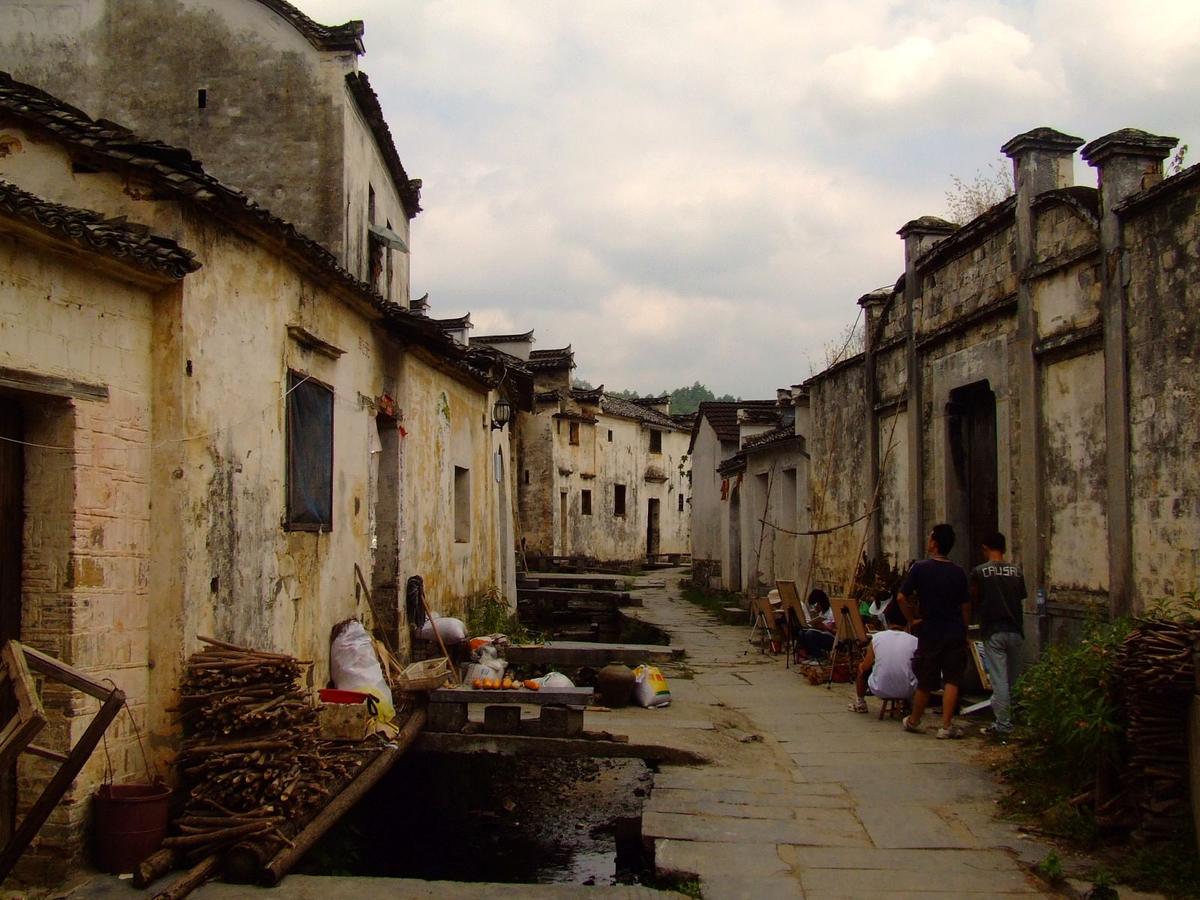
The afternoon sun cuts a sharp line across the Hu Wenguang Memorial Archway at the entrance of Xidi. This 12.3-metre span of local Yixian blue stone, carved in 1578 to honour a Ming dynasty prefectural governor, stands in silence. A single cyclist pedals past. In Hongcun, twelve kilometres up the road, the same hour brings a different scene: rows of art students sit along the crescent pond, brushes in hand, while tour groups shuffle behind them.
You have one afternoon in the Huizhou countryside. Both settlements are UNESCO World Heritage sites, listed together in 2000 as part of Ancient Villages in Southern Anhui. Both cost 104 CNY to enter. Both were founded in the Song dynasty, Xidi in 1047 and Hongcun in 1131. You need to decide which one gives you the stronger afternoon.
The short answer is in the water. Hongcun has the crescent pond and an artificial canal system that channels spring water past every household. Xidi has no canals. Its main street runs east to west above a culverted stream, and its houses draw water from wells. That single difference determines almost everything else about your visit.
- Entry Fee: 104 CNY each. Combined ticket for both: 188 CNY (verify before buying).
- Minimum Visit Time: 1.5 to 2 hours per village.
- Distance Between Villages: 18 km by road. Public bus: 30, 40 min, 6, 10 CNY. Taxi: 40, 60 CNY.
- Both In One Day?: Feasible. Budget 4, 5 hours total for both, plus 1 hour transit.
- Water System: Hongcun: crescent pond and canal grid. Xidi: wells and one stream, no grid.
- Historic Residences: Xidi: 124 surviving, 3 ancestral halls.
- Crowd Profile: Hongcun: more tour coaches and art students. Xidi: fewer of both.
What Xidi Offers That Hongcun Does Not
Xidi is the quieter settlement. Founded in 1047, it is older by a century. Its 124 surviving historic residences cluster around three ancestral halls, each more elaborate than almost anything in Hongcun. The narrow stone lanes force you into a slower pace. You cannot stride through them at tourist speed. You shuffle, duck under eaves, and occasionally step aside for a motorcycle.
The Archway And The Lanes
The Hu Wenguang Memorial Archway sits alone at the entrance, not tucked inside a building as similar structures tend to be. Walk past it and you enter a street pattern that has not changed since the Ming and Qing dynasties. The main east-west lane follows the line of a stream you can hear through stone covers but rarely see. Side alleys branch off at angles that feel accidental.
Architecture And Light
For photographing architecture, pick Xidi. The carvings on the ancestral halls are more ornate and older. You get cleaner frames because fewer people stand in them. The light at 15:00 hits the grey stone facades at an angle that preserves shadow detail, particularly in the smaller courtyards off the main street.
Tour coaches arrive at Xidi but they leave by 16:00. After that, the settlement becomes noticeably empty. You can stand at the archway and see no one. That is your best window for photographs and for understanding why these places earned UNESCO status in the first place.
Xidi suits the traveller who wants older buildings, narrower lanes and the ability to hear a stream under stone. It does not suit anyone arriving at 15:30 who needs a striking photograph in the next hour. For that, go to Hongcun.
Why Hongcun Pulls Ahead for a Short Afternoon
Hongcun has the crescent pond. That is not a small thing. The pond is the single most recognised image of Huizhou architecture, and it photographs well at any time of day. In the afternoon, the houses on the north side reflect clearly into the water. Art students line the curved edge from around 14:00 until 17:00. If you want a shot without them, arrive at 15:45 when they start packing.
The Canal Grid
The canal system sets Hongcun apart. Water flows from a hillside stream through an artificial grid built to bring spring water past every door. This was practical infrastructure from the Ming-Qing period, but it also means Hongcun feels integrated with its water in a way Xidi does not. You walk beside channels the entire time. Bridges cross the channels every few metres.
Handling The Crowds
Hongcun handles crowds better because it is built to a larger scale. The main street is wider. There are more open courtyards and more side exits. When a tour group blocks one lane, you can circle around through another. That design flexibility means less time waiting and more time moving.
For a one-afternoon visit, Hongcun delivers a stronger visual experience faster. You arrive, walk fifty metres, and you are at the pond. Take your photograph. You then have the rest of your afternoon to explore the lane network west of the pond, where the student crowds thin out. Push past the commercial stalls and into the residential sections behind the main water channel. That is where the place rewards you.
The downside: Hongcun feels busier. If you want a silent settlement with empty lanes, Xidi from 16:00 onward gives you that. Hongcun never gets quiet until after dark.

Making the Call in One Hour or Less
If You Want The Photograph
Hongcun. You need the crescent pond. No other angle in either settlement matches its recognisability. Budget 1.5 hours minimum. Enter, walk directly to the pond, shoot your frames, then spend the remaining time exploring west of the commercial strip.
If You Want The Architecture
Xidi. The ancestral halls are older and more detailed. You will spend less time stepping out of other people's shots. Arrive by 15:00. Walk the main street east to west, then return via the side alleys. By 16:30, you will have the place largely to yourself.
If You Have Exactly Two Hours
Go to Hongcun. Two hours is enough to see the pond, walk the canal grid and visit one or two historic houses before the bus back. You cannot do justice to Xidi's carved halls in that window, but you can capture Hongcun's defining feature in the first ten minutes.
If The Coach Crowds Bother You
Skip both at midday. Instead, arrive at Xidi at 15:30. The coach groups leave between 16:00 and 16:30. From then until dusk, Xidi is what you imagine when you picture a Song dynasty settlement: quiet, stone carved, sunlit.
Common Questions
Can I see both Xidi and Hongcun in one afternoon?
Yes. Budget 1.5 to 2 hours per settlement plus 30 to 40 minutes of transit. The combined ticket costs 188 CNY if bought before entry. Start with Xidi at 14:00, then take the public bus to Hongcun for the late afternoon light on the pond.
Which village is older?
Xidi is older by about 100 years. It was founded in 1047 during the Northern Song dynasty. Hongcun was founded in 1131. Xidi's surviving ancestral halls and residential layout reflect that earlier founding date with more ornate carved detail.
Why is Hongcun more crowded than Xidi?
Hongcun's crescent pond is the defining visual of Huizhou villages. Art students, photographers and large tour coaches all target that pond first. Xidi lacks a single postcard water feature, so fewer coaches stop there. You get older architecture with fewer people.
Which village is better for photography?
Hongcun for the pond and water reflections. Xidi for architectural detail and empty streets. Arrive at Xidi after 15:30 and you can shoot without any people in frame. Arrive at Hongcun by 15:45 to catch the art students leaving and the afternoon light on the pond.
Read next
-
 Hongcun
's crescent pond and water lanes are best seen at dawn. Plan an overnight stay to beat the coach crowds and see the village empty.
Hongcun
Hongcun's crescent pond and water lanes are best seen at dawn. Plan an overnight stay to beat the coach crowds and see the village empty.
-
 Anhui Hotels from Huangshan Summit to Huizhou Courtyards
Huangshan summit hotels sell out weeks ahead and are the only legal way to sleep on the mountain; village guesthouses trade comfort for atmosphere.
Anhui Hotels from Huangshan Summit to Huizhou Courtyards
Huangshan summit hotels sell out weeks ahead and are the only legal way to sleep on the mountain; village guesthouses trade comfort for atmosphere.
-
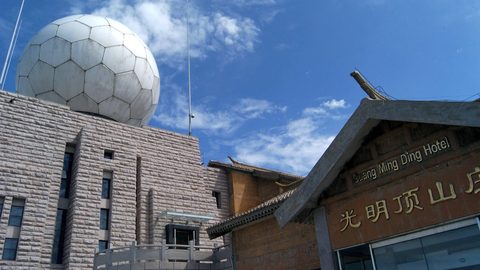 Where to Stay in Anhui for Huangshan and the Villages
Tunxi is the convenient transport hub, Tangkou suits hikers, summit hotels give sunrise access, and village courtyards offer atmosphere but less mobility.
Where to Stay in Anhui for Huangshan and the Villages
Tunxi is the convenient transport hub, Tangkou suits hikers, summit hotels give sunrise access, and village courtyards offer atmosphere but less mobility.
-
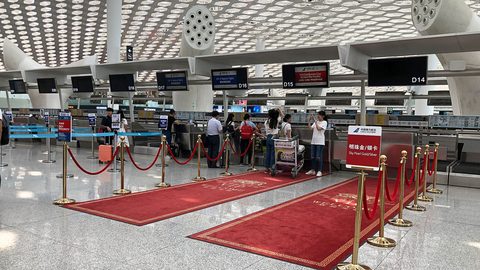 Flying to Anhui or Taking the Train From Shanghai Which Works Better
Flying into Tunxi puts you closest to the mountains, but the Shanghai to Huangshan North train often beats Hefei for total time.
Flying to Anhui or Taking the Train From Shanghai Which Works Better
Flying into Tunxi puts you closest to the mountains, but the Shanghai to Huangshan North train often beats Hefei for total time.
-
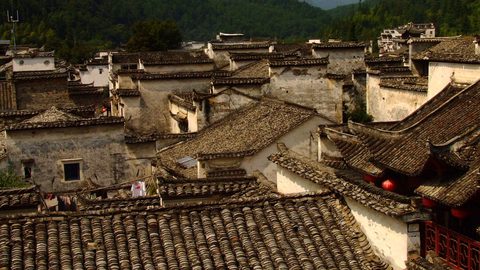 Things to Do in Anhui Beyond Huangshan and Hongcun
Beyond Huangshan, Anhui offers the Taoist Qiyun Shan, the Buddhist Jiuhua Shan, quiet villages like Chengkan, and Qimen black tea country.
Things to Do in Anhui Beyond Huangshan and Hongcun
Beyond Huangshan, Anhui offers the Taoist Qiyun Shan, the Buddhist Jiuhua Shan, quiet villages like Chengkan, and Qimen black tea country.
-
 Best Time to Visit Anhui and Huangshan by Season
April–May and September–October offer the best Anhui weather, but avoid the first week of October and May for National Day and Labour Day crowds.
Best Time to Visit Anhui and Huangshan by Season
April–May and September–October offer the best Anhui weather, but avoid the first week of October and May for National Day and Labour Day crowds.
-
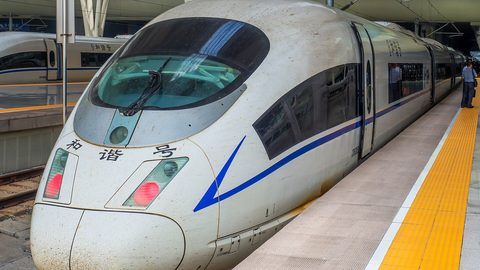 Getting Around Anhui from Shanghai, Hangzhou and Nanjing
High-speed rail from Shanghai, Hangzhou or Nanjing to Huangshan North is the practical gateway, but villages and trailheads need buses or local cars.
Getting Around Anhui from Shanghai, Hangzhou and Nanjing
High-speed rail from Shanghai, Hangzhou or Nanjing to Huangshan North is the practical gateway, but villages and trailheads need buses or local cars.
-
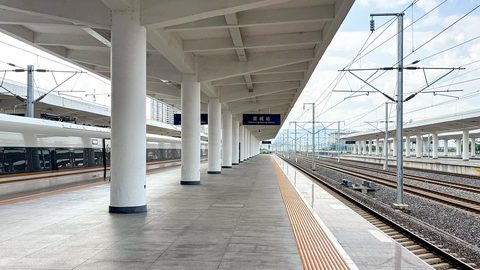 Xuancheng
What Xuancheng prefecture offers travellers moving between Huangshan and the Yangtze, from paper-making towns to quiet bamboo valleys.
Xuancheng
What Xuancheng prefecture offers travellers moving between Huangshan and the Yangtze, from paper-making towns to quiet bamboo valleys.
-
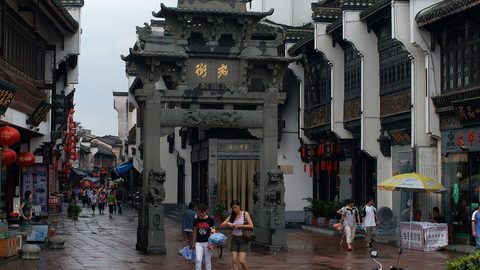 Huangshan City
Tunxi is not Anhui's prettiest town, but its rail station, bus hub and Old Street make it the most useful base.
Huangshan City
Tunxi is not Anhui's prettiest town, but its rail station, bus hub and Old Street make it the most useful base.