What to Eat in Anhui, from Stinky Mandarin Fish to Qimen Tea
Hui cuisine is one of China's eight great traditions and the least exported, built on fermented fish, fuzzy tofu, mountain bamboo and Qimen black tea.
Why Hui Cuisine Feels Like a Discovery
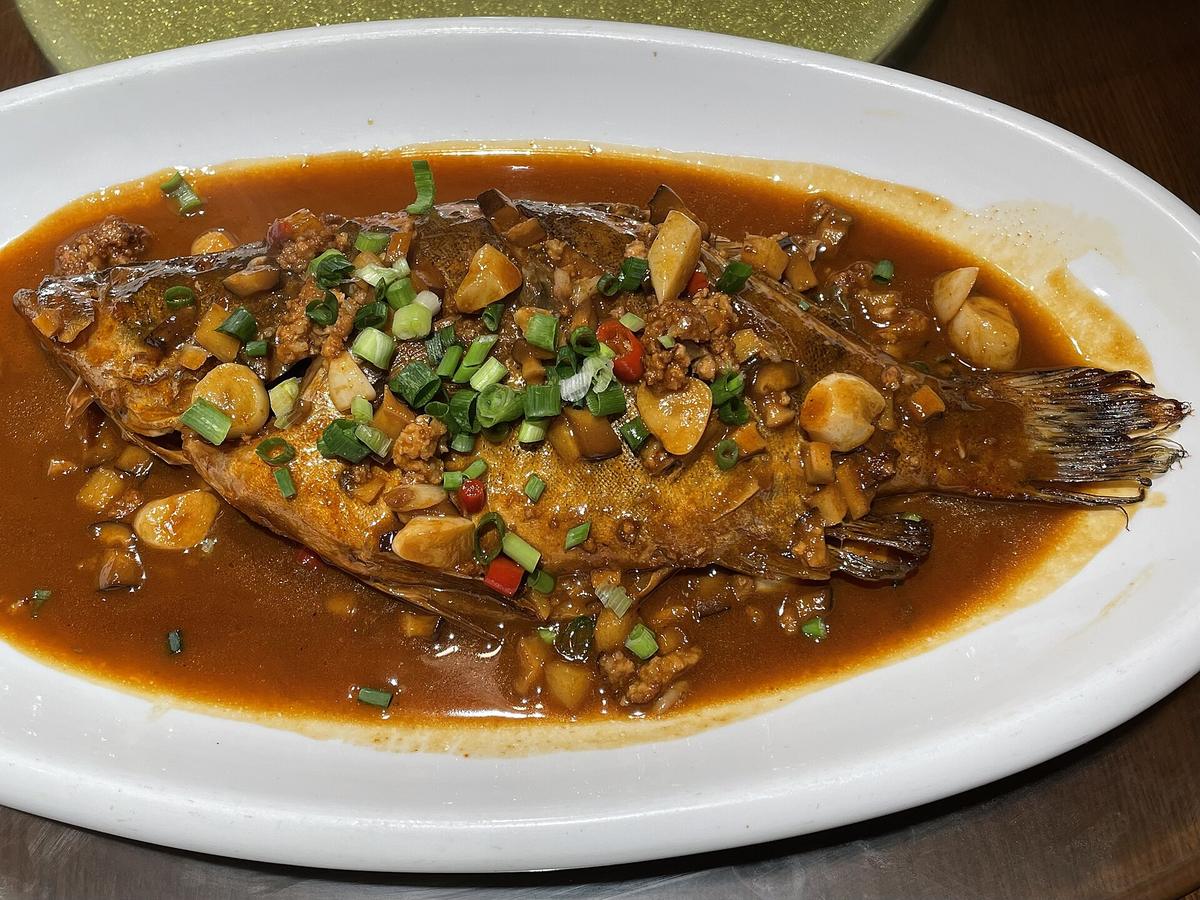
Most travellers assume China’s eight great cuisines are equally famous abroad. They are not. Hui cuisine, Anhui’s tradition, is the least exported of the eight. You will not find it in a strip mall in Vancouver or a food court in London. Eating in Anhui is not a box to tick. It is a discovery. The cuisine was shaped by the province’s inland, mountainous terrain. Salting, drying and fermenting were survival strategies, not style choices. The signature dish, stinky mandarin fish, is a direct result. Fresh mandarin fish are fermented with salt in wooden barrels for one to seven days. The smell is strong, funky and unmistakable. The flesh turns flaky and tender, savoury with a mild sourness far less intense than the aroma. It arrives braised with ginger, garlic, chili and soy sauce, usually whole, head on, in a clay pot. Order it. Order it with rice. Then decide.
The Two Dishes That Scare People Off and Why They Shouldn’t
Stinky mandarin fish and maofu tofu are the two dishes that make travellers nervous. Understandable. One smells like fermentation. The other is a block of tofu covered in white mold, pan-fried until the fuzzy rind turns golden and the inside stays creamy. The flavour is earthy, mild, slightly funky. Texture matters here. The exterior firms up in the pan; the centre stays soft. Try it on Tunxi Old Street for CNY 10 to 20 per skewer or small plate. Skip it and you miss the dish that defines Anhui home cooking as clearly as stinky fish defines Anhui banquets.
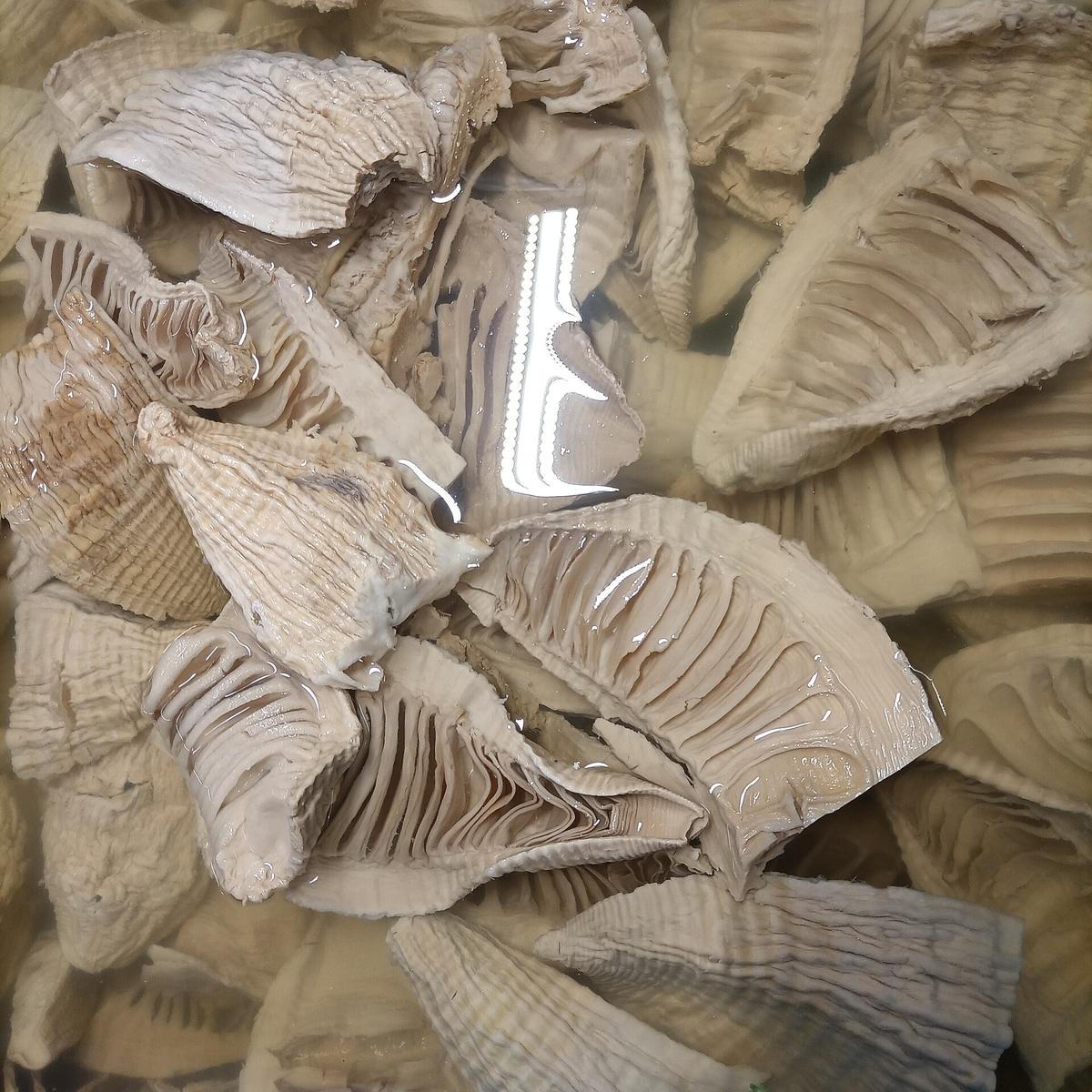
But the cuisine is not a gauntlet of challenging smells. Most dishes are immediately accessible. Bamboo shoots braised with Anhui cured ham is the dish that should be on every table. Spring bamboo from March to May, or dried shoots the rest of the year, slow-cooked with local ham. The ham is less sweet than Jinhua ham from Zhejiang, saltier, more savoury. At Tunxi restaurants a pot costs CNY 38 to 78. Order it. Huangshan baked wheat cake is the portable version. Flaky, flat, stuffed with pork or vegetables. It costs CNY 3 to 8 on the street. Grab one before a day hike. Stone ear stewed with chicken is the mountain speciality. The stone ear grows on Huangshan cliffs, rehydrated, served braised. A dish runs CNY 48 to 98.

Where to Eat in Tunxi and Tangkou
Tunxi Old Street
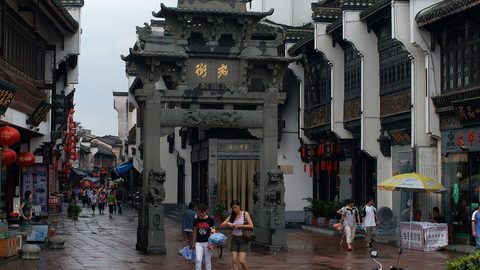
Every first time visitor lands here. Tunxi Old Street runs 1,272 metres, lined with Song dynasty foundations and Ming and Qing shopfronts. It is tourist oriented, but that means English menus are common and you can eat across the whole Hui canon without a translator. Restaurants cluster along the street and the Xin’an River waterfront. A typical meal costs CNY 40 to 80 per person for a single diner ordering two to three dishes. Stinky mandarin fish runs CNY 58 to 128 for a whole fish. Maofu tofu costs CNY 18 to 38 per plate. Snacks are cheaper. Sesame cakes cost CNY 3 to 8, rice wine CNY 10 to 25. Stalls serve small skewers of maofu tofu for CNY 10 to 20. Peak hours are 11:30 to 13:30 and 17:30 to 20:00. Arrive before 11:30 for lunch or after 19:30 for dinner.
Tangkou Town
Tangkou sits at Huangshan’s south entrance. The food is simpler and cheaper. Meals cost CNY 30 to 60 per person. Restaurants line the main road to the shuttle station. Do not chase stinky fish or maofu tofu here. Eat a solid meal before the mountain and fill your pack with snacks at the grocery. Prices there run 1.5 to two times normal city prices. Accept that. The summit is worse.
Tea On The Old Street
Huangshan Maofeng is a green tea from this region, first produced in the late 19th century. Qimen black tea, also called Keemun, was first produced in 1875 and is the common base in English Breakfast blends. On Tunxi Old Street, tea shops offer free tastings with no purchase required. A pot of either in a tea house costs CNY 30 to 80. Buying loose leaf runs CNY 100 to 600 per 500 grams for Maofeng, CNY 80 to 500 for Keemun, depending on grade. Grades matter. Mingqian Maofeng, picked before Qingming Festival, costs CNY 400 to 1,500+ per 500 grams. Keemun grades run from Hao Ya A down to Congou. Buy from a shop that lets you taste first.
| Item | Tunxi Old Street Price | Huangshan Summit Price |
|---|---|---|
| Stinky mandarin fish (whole) | CNY 58–128 | Not available |
| Maofu tofu (plate) | CNY 18–38 | Not available |
| Ham and bamboo shoot stew (pot) | CNY 38–78 | Not available |
| Huangshan baked wheat cake | CNY 3–8 | Not sold in kiosks |
| Simple rice dish | CNY 20–50 | CNY 40–80 |
| Bottled water (500ml) | CNY 2–4 | CNY 10–20 |
| Instant noodles (cup) | CNY 5–10 | CNY 15–30 |
| Beer (bottle) | CNY 8–15 | CNY 20–40 |
| Coffee (cup) | CNY 20–40 | CNY 30–60 |
| Breakfast per person | CNY 5–15 | CNY 50–100 |

How to Eat on Huangshan Without Going Broke or Hungry
All food on the summit is carried up by porters. A single porter carries 50 to 100 kg per trip. That is why a 500 ml bottle of water costs CNY 10 to 20 and a cup of instant noodles costs CNY 15 to 30. The cheapest hot meal on the summit is a simple rice dish for CNY 40 to 80. Breakfast buffets at summit hotels run CNY 50 to 100 per person. Summit meal service runs 06:00 to 19:00, times vary by hotel. Kiosks at major junctions sell boiled eggs for CNY 5 to 10 each, corn for CNY 10 to 15, sausages for CNY 10 to 20. Do this: buy water and instant noodles in Tunxi or Tangkou. Carry them up. Supplement with kiosk food on the summit. Budget CNY 150 to 300 per day for summit food. Staying overnight in a summit hotel? Book dinner in advance. Hotels sell out and walk-ins get nothing.
Ordering Without Mandarin
English is limited outside Tunxi and the main scenic area. On Tunxi Old Street, most tourist restaurants have English menus. On the summit, picture menus are common. When neither is available, use a translation app with photo input. Keep a note on your phone with the Chinese names for your key dishes: 臭鳜鱼 (chòu guìyú), 毛豆腐 (máo dòufu), 火腿炖笋 (huǒtuǐ dùn sǔn). Point at displayed dishes. It works at most restaurants. Payment is WeChat Pay, Alipay or cash. Foreign cards are rarely accepted. Cash is accepted on urban buses but you need small notes. Do not tip. It is not customary.
Common Questions
Is Hui cuisine very spicy?
No. It is less spicy than Sichuan or Hunan. Chili is used moderately, mainly for accent. The dominant flavours are savoury and salty from preserved meats and fermented ingredients. Sweetness is low compared to Jiangsu or Zhejiang.
Can I eat vegetarian in Anhui?
Yes, but not easily at every restaurant. Stick to bamboo shoot dishes, wild greens, tofu preparations and mushroom dishes. Stone ear, tree fungus and shiitake appear often. Dedicated vegetarian restaurants are limited; temple restaurants near Jiuhua Shan are your best bet.
Is stinky mandarin fish safe to eat?
Yes. The fermentation uses salt in a wooden barrel, not bacteria that cause spoilage. The fish is then braised at high heat. It is one of Anhui’s most common dishes and served year-round at restaurants across Tunxi and Tangkou.
What is the best tea to buy in Anhui?
Huangshan Maofeng green tea for bright, vegetal flavour. Qimen black tea for a malty, smooth brew. Buy from Tunxi Old Street tea shops that offer free tastings. Mingqian grade Maofeng costs CNY 400 to 1,500+ per 500 grams. Keemun Hao Ya A costs CNY 300 to 1,000+.
Read next
-
 Anhui Hotels from Huangshan Summit to Huizhou Courtyards
Huangshan summit hotels sell out weeks ahead and are the only legal way to sleep on the mountain; village guesthouses trade comfort for atmosphere.
Anhui Hotels from Huangshan Summit to Huizhou Courtyards
Huangshan summit hotels sell out weeks ahead and are the only legal way to sleep on the mountain; village guesthouses trade comfort for atmosphere.
-
 Where to Stay in Anhui for Huangshan and the Villages
Tunxi is the convenient transport hub, Tangkou suits hikers, summit hotels give sunrise access, and village courtyards offer atmosphere but less mobility.
Where to Stay in Anhui for Huangshan and the Villages
Tunxi is the convenient transport hub, Tangkou suits hikers, summit hotels give sunrise access, and village courtyards offer atmosphere but less mobility.
-
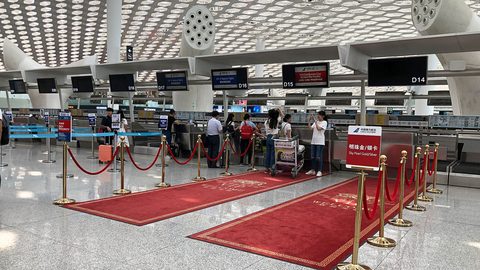 Flying to Anhui or Taking the Train From Shanghai Which Works Better
Flying into Tunxi puts you closest to the mountains, but the Shanghai to Huangshan North train often beats Hefei for total time.
Flying to Anhui or Taking the Train From Shanghai Which Works Better
Flying into Tunxi puts you closest to the mountains, but the Shanghai to Huangshan North train often beats Hefei for total time.
-
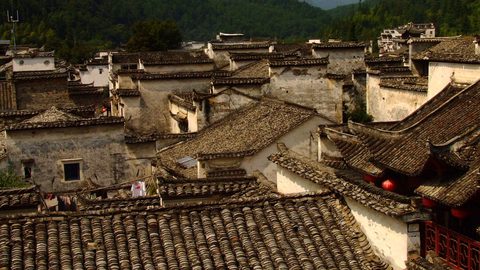 Things to Do in Anhui Beyond Huangshan and Hongcun
Beyond Huangshan, Anhui offers the Taoist Qiyun Shan, the Buddhist Jiuhua Shan, quiet villages like Chengkan, and Qimen black tea country.
Things to Do in Anhui Beyond Huangshan and Hongcun
Beyond Huangshan, Anhui offers the Taoist Qiyun Shan, the Buddhist Jiuhua Shan, quiet villages like Chengkan, and Qimen black tea country.
-
 Best Time to Visit Anhui and Huangshan by Season
April–May and September–October offer the best Anhui weather, but avoid the first week of October and May for National Day and Labour Day crowds.
Best Time to Visit Anhui and Huangshan by Season
April–May and September–October offer the best Anhui weather, but avoid the first week of October and May for National Day and Labour Day crowds.
-
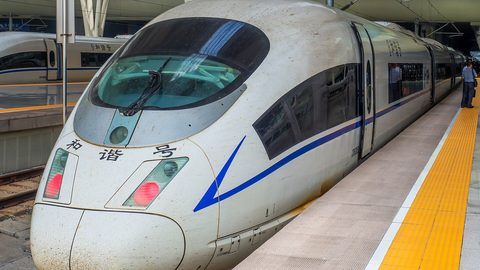 Getting Around Anhui from Shanghai, Hangzhou and Nanjing
High-speed rail from Shanghai, Hangzhou or Nanjing to Huangshan North is the practical gateway, but villages and trailheads need buses or local cars.
Getting Around Anhui from Shanghai, Hangzhou and Nanjing
High-speed rail from Shanghai, Hangzhou or Nanjing to Huangshan North is the practical gateway, but villages and trailheads need buses or local cars.
-
 Huangshan (Yellow Mountain)
Huangshan's south gate, cable car choices and summit loop explained, so you can plan a realistic one- or two-day mountain route.
Huangshan (Yellow Mountain)
Huangshan's south gate, cable car choices and summit loop explained, so you can plan a realistic one- or two-day mountain route.
-
 Xuancheng
What Xuancheng prefecture offers travellers moving between Huangshan and the Yangtze, from paper-making towns to quiet bamboo valleys.
Xuancheng
What Xuancheng prefecture offers travellers moving between Huangshan and the Yangtze, from paper-making towns to quiet bamboo valleys.
-
 Huangshan City
Tunxi is not Anhui's prettiest town, but its rail station, bus hub and Old Street make it the most useful base.
Huangshan City
Tunxi is not Anhui's prettiest town, but its rail station, bus hub and Old Street make it the most useful base.