A Practical Guide to Buying Anhui Tea
What Qimen black tea and Huangshan Maofeng should cost, where to taste them in Anhui, and how to spot low-grade leaves.

A Practical Guide to Buying Anhui Tea
The woman behind the tasting table in Tunxi Old Street pours a rinse over the gaiwan lid and waits. Her tea is a Qimen black, and she wants you to smell the empty cup before she even brews the leaves. This ritual is your best defence against the tourist-grade fakes crowding every shelf on this street. Stop treating tea shopping like souvenir hunting and you will leave with something worth drinking.
Genuine Keemun and Huangshan Maofeng have a taste you can learn, a price that tracks the grade, and tells that expose a low-grade leaf dressed up in a pretty tin. It covers the two places you should buy tea in Anhui: the Tunxi tea market and Qimen county, where the black tea originated in 1875. You are here to buy real tea, not a story.
What Each Tea Should Taste Like
Keemun: The Black Tea Standard
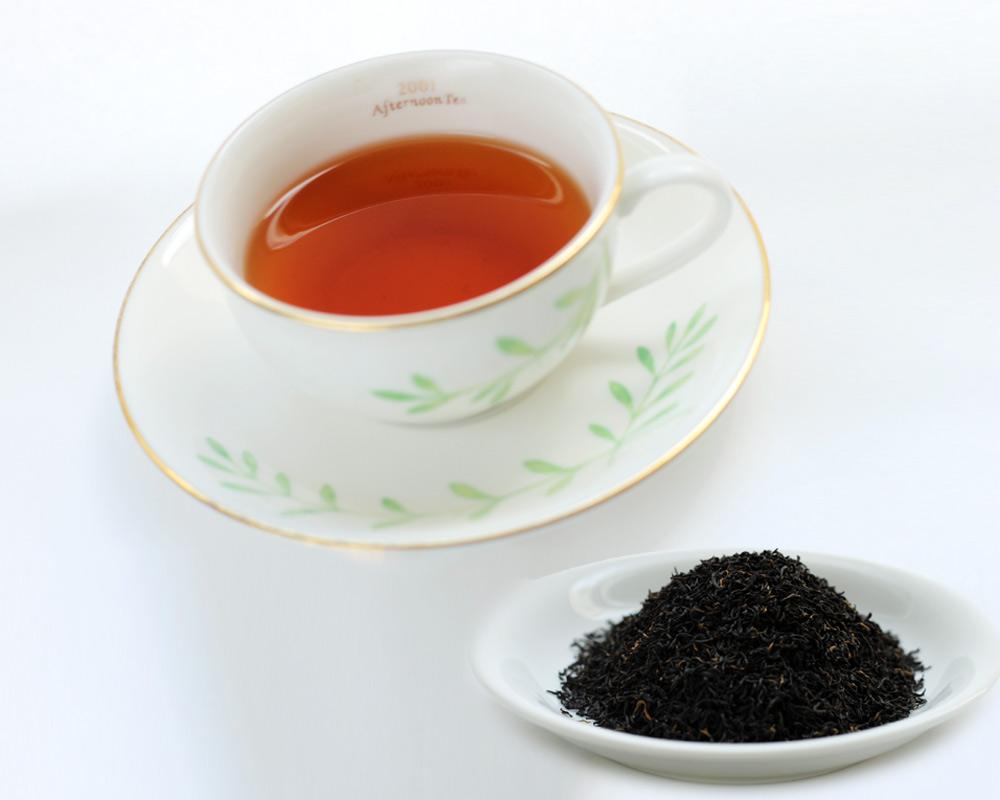
Genuine Qimen black tea pours a bright red-orange liquor, clear, not muddy. The aroma carries orchid and honey, with a subtle smokiness from traditional firing. Tourist-grade Keemun is uniformly black with no golden tips, broken leaf pieces, and dust at the bottom of the bag. It tastes flat and astringent.
Huangshan Maofeng: The Green Tea Standard
Huangshan Maofeng should show green leaves with visible white down, slightly curled and uniform. The liquor is pale green-yellow. The scent is chestnut and orchid with a fresh vegetal note. Fakes are dull green-brown, lack the fuzzy down, and the leaves are broken or uneven. They brew a yellow-brown cup with no fragrance.
First Picking vs. Later Harvests
The difference between first-picking teas and later grades is not minor. First picking, or Mingqian, costs 2 to 5 times more than later harvests because yield per bush is lower and labour per gram is higher. You pay for concentrated flavour and tender bud structure, not exclusivity. If the price seems too good for a tea labelled "Mingqian," it is not Mingqian.
| Grade | Keemun (Qimen) | Huangshan Maofeng |
|---|---|---|
| Entry / Tourist Grade | Not standardised; broken leaves, no tips | Not standardised; dull colour, no down |
| Mid-Grade | 150–400 CNY | 200–500 CNY |
| Top Grade (Hao Ya A / Special) | 800–2,500 CNY | 800–3,000 CNY |
Where to Buy and How to Taste First
Tunxi Tea Market
In Tunxi, skip the souvenir shops on the main strip of Old Street. Walk two blocks north to the local tea market, a low-rise building where vendors sell to restaurants and wholesalers. Tasting before you buy is standard practice here. The vendor will brew your chosen leaf in a gaiwan or glass cup across multiple infusions. If they refuse to let you taste, walk out.
Qimen County
In Qimen county, the same rules apply but the selection is deeper. Villages outside the county seat produce the Hao Ya A grade, priced at 800 to 2,500 CNY per jin for Keemun. Buy directly from small processing households if you ask your guesthouse to arrange a visit. Do not expect English. Do expect a better price than Tunxi: tea shop markups run 1.5 to 3 times market price, and you are paying for rent and packaging.
What Drives the Price
Price variation depends on four factors: harvest date, bud-to-leaf ratio, altitude of origin, and vendor location. Earlier harvests, more buds, higher altitude, and Tunxi locations all cost more. A 100-gram bag of mid-grade Maofeng should cost 40 to 100 CNY. A 50-gram vacuum pack of Hao Ya A Keemun should run 80 to 250 CNY. Packaging that says "gift set" adds cost, not quality.
Red Flags in the Shop
Four signs you are being sold tourist-grade leaf. One: the dry leaf colour is uniform black or uniform green. Real Keemun has golden tips mixed in. Real Maofeng has white down. Two: the leaves are all the same size because they were machine-cut, not hand-plucked. Three: the price is round and low, like 50 CNY for a "special" grade jin. Four: the vendor pushes a single blend rather than inviting you to compare two or three samples side by side.
Customs and Shelf Life for Taking Tea Home
There is no fixed weight limit for tea in personal baggage leaving China. The EU applies VAT above 430 EUR total goods value. The UK and Japan allow 1 kg duty-free. Australia accepts clean, dry, commercially packaged tea with no fixed limit. The US inspects commercial quantities but not personal-use bags. Unopened green tea keeps 12 to 18 months; black tea keeps 24 to 36 months. Store it in an airtight, opaque container below 25°C and below 60% humidity. Vacuum-sealed retail weights in Anhui are 50 g, 100 g, 250 g, and 500 g.

The Practical Next Step
Arrive in Tunxi by 09:00, drop your bag at your guesthouse, and walk to the tea market before the midday heat brings out the touts. Taste three grades of Keemun side by side before you buy anything. Then go to Qimen county for the best prices and the least pressure.
If a vendor will not let you smell the empty cup after the rinse, you are in the wrong shop.
Common Questions
Can I buy real Keemun and Maofeng in Tunxi Old Street?
Yes, but only if you go to the local tea market rather than the souvenir shops. The tea market is two blocks north of the main strip. Taste before you buy. Expect to pay a 1.5 to 3 times markup over village prices.
How do I tell genuine Huangshan Maofeng from a fake?
Look for white down on the buds and a pale green-yellow liquor. Fakes have dull green-brown leaves, no down, and brew a muddy yellow cup. Genuine aroma is chestnut and orchid. Fake tea smells flat or grassy.
What is the difference between Hao Ya A and Special Grade Keemun?
Hao Ya A is the top grade: mostly single buds with one tiny leaf and visible golden tips. Special Grade has a higher proportion of leaves to buds. Hao Ya A costs 800 to 2,500 CNY per jin. Special Grade costs less but still above 400 CNY.
Is Mingqian (first picking) tea worth the extra money?
If you value concentrated flavour and tender buds, yes. Mingqian costs 2 to 5 times more because yield is lower and labour is higher. If you brew tea strong with milk, save your money and buy a later picking that holds up better.
Read next
-
 Getting to Anhui from the Rest of China and How Long You Really Need
High-speed rail routes to Anhui explained: which stations to use from Shanghai, Hangzhou, or Beijing, and how many days Huangshan really needs.
Getting to Anhui from the Rest of China and How Long You Really Need
High-speed rail routes to Anhui explained: which stations to use from Shanghai, Hangzhou, or Beijing, and how many days Huangshan really needs.
-
 Reaching Anhui Visa-Free Through China's Transit Rules for a Huangshan Side Trip
How China's 240-hour visa-free transit rules let you reach Huangshan and the Huizhou villages without a full visa.
Reaching Anhui Visa-Free Through China's Transit Rules for a Huangshan Side Trip
How China's 240-hour visa-free transit rules let you reach Huangshan and the Huizhou villages without a full visa.
-
 Golden Week in Anhui, the Weeks to Avoid and What to Do If You Cannot
What Golden Week does to Huangshan, Hongcun and Anhui transport, and the few ways to reduce the damage if you must travel then.
Golden Week in Anhui, the Weeks to Avoid and What to Do If You Cannot
What Golden Week does to Huangshan, Hongcun and Anhui transport, and the few ways to reduce the damage if you must travel then.
-
 Huangshan or Zhangjiajie, Which China Peak Landscape Fits Your Trip
Huangshan's granite peaks and Huizhou villages or Zhangjiajie's sandstone pillars: which mountain landscape suits your China trip.
Huangshan or Zhangjiajie, Which China Peak Landscape Fits Your Trip
Huangshan's granite peaks and Huizhou villages or Zhangjiajie's sandstone pillars: which mountain landscape suits your China trip.