Understanding Jiuhua Shan before you go
Jiuhua Shan is a sacred Buddhist pilgrimage mountain, not a scenic rival to Huangshan. Temples, staircases and rituals define the visit.
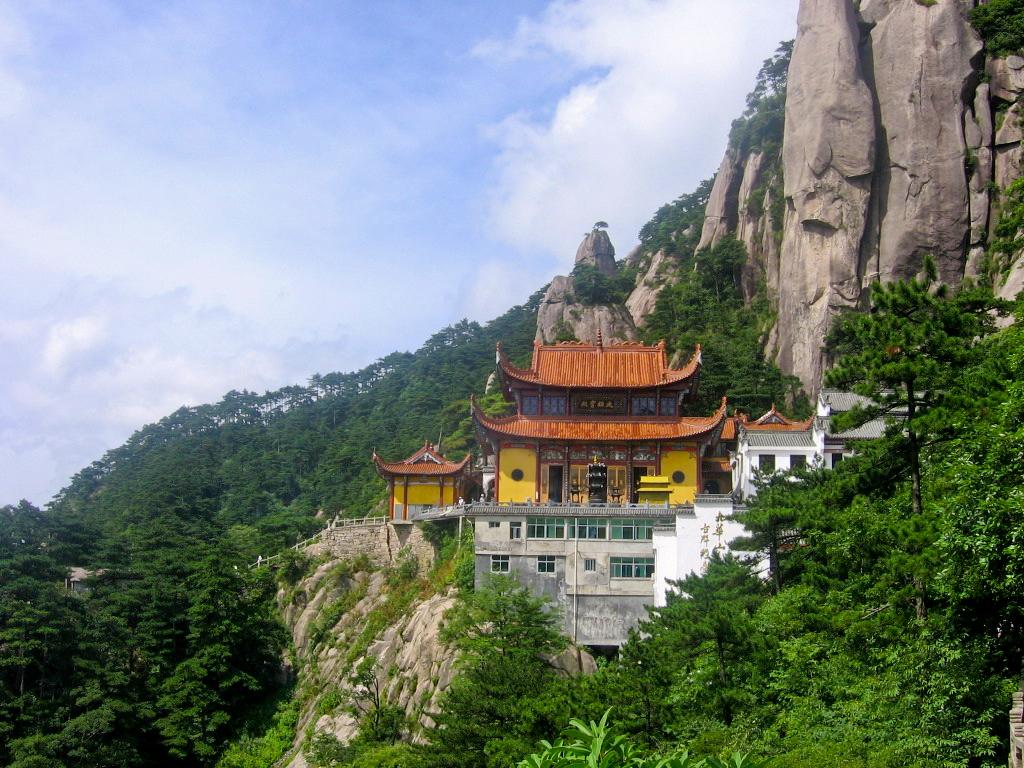

Jiuhua Shan’s Sacred Character
Most travellers arrive in southern Anhui expecting the granite spires and sea of clouds that define Huangshan. Jiuhua Shan is not that mountain. It is one of China's four sacred Buddhist mountains, dedicated to Kṣitigarbha (Dizang Pusa), the bodhisattva who rescues beings from hell and guards the dead. The character here is religious, not scenic. You come for temples, incense, pilgrimage staircases and monastic life, not for postcard peaks. If your mental image is the jagged silhouettes of Yellow Mountain, reset it now.
Jiuhua Shan is a working pilgrimage site, not a viewpoint. Reaching it from Chizhou takes intention, and the mountain rewards those who choose it over its more famous neighbour. The logistics matter: what to wear, where to sleep, how to behave in a temple, and what the crowds are like. Do not treat this as a side trip from Huangshan. Jiuhua Shan demands a separate intention.
From Tunxi or Tangkou, Jiuhua Shan is a full-day transfer away. High-speed rail from Huangshan North to Chizhou takes about an hour, then a bus from the rail hub to the mountain takes another hour. Budget at least half a day each way. That friction is why many visitors skip it. Do not skip it if you want the real China. Just plan around it.
- Sacred Status: One of the Four Sacred Mountains of Chinese Buddhism
- Bodhisattva: Kṣitigarbha (Dizang Pusa)
- Bodhisattva Role: Savior of beings from hell, guardian of the dead
- Peak Count: 99 peaks
- Main Peak: Shiwang Peak (1,342 m)
- Primary Worshipper Demographic: Buddhist pilgrims, especially elderly and those praying for deceased relatives
- Key Pilgrimage Periods: Lunar New Year, Qingming Festival, Ghost Festival (7th lunar month), Kṣitigarbha's birthday (30th day of 7th lunar month)
- Main Temple: Huacheng Temple (founded Jin dynasty, rebuilt Qing dynasty)
- Oldest Temple: Huacheng Temple (original structure 401 AD)
- Temple Housing Kṣitigarbha's Mummified Body: Body Hall (Roushen Baodian) at Shenguang Ridge
- Mummified Body Date: Kṣitigarbha died aged 99 in 794 AD; body enshrined in Body Hall
- Major Temple Complex: Zhiyuan Temple (Ming/Qing dynasty, largest on mountain)
- Important Nunnery: Tonghui Chan Nunnery
- Tiantai Summit Temple: Tiantai Temple (elevation 1,306 m)
- Cable Car Lower Stop: Jiuhua Street
- Cable Car Upper Stop: Tiantai top
- Cable Car Type: Gondola lift
- Cable Car Ride Duration: Approx. 8 to 10 min
- Walking Route to Tiantai Summit: Stone steps from Jiuhua Street or from Phoenix Pine (Fenghuang Song)
- Step Count from Phoenix Pine to Tiantai Summit: Approx. 5,000 steps
- Walking Duration from Phoenix Pine to Tiantai Summit: 2 to 3 hours one way
- Alternative Cable Car: Baisuigong (Centenarian Palace) Cable Car
- Baisuigong Cable Car Lower Stop: Jiuhua Street area
- Baisuigong Cable Car Upper Stop: Baisuigong (Centenarian Palace)
- Baisuigong Elevation: Approx. 871 m
- Entry Ticket Price (Peak Season): 190 CNY
- Peak Season Dates: February to November
- Entry Ticket Price (Off-Peak Season): 140 CNY
- Off-Peak Season Dates: December to January
- Monastery Guesthouse Availability: Yes, at select temples (e.g., Huacheng Temple, Zhiyuan Temple, Baisuigong)
- Monastery Guesthouse Price Range: 50 to 150 CNY per bed per night
- Monastery Guesthouse Booking Method: In person at temple reception; no online booking
- Monastery Guesthouse Meal Inclusion: Simple vegetarian meals usually included or available for small fee
- Dress Code for Temples: Shoulders and knees covered; no shorts, sleeveless tops, or revealing clothing
- Photography Rule Inside Halls: No photography of Buddha statues or relics
- Behavior Rule: No loud talking, no smoking, no public displays of affection
- Incense Protocol: Three sticks standard; light from designated flame, bow three times
- Monetary Offering Custom: Small notes (1 to 10 CNY) placed in donation boxes; no coins thrown at statues
- Circumambulation Direction: Clockwise around stupas and halls
- Vegetarian Expectation: Strict vegetarian food only within temple grounds and monastery guesthouses
- Comparison with Huangshan: Jiuhuashan is a religious/cultural site; Huangshan is a scenic/natural site
- Primary Visitor Type for Jiuhuashan: Buddhist pilgrims and those seeking religious experience
- Primary Visitor Type for Huangshan: Hikers, photographers, nature tourists
- Best Choice For: Travelers prioritizing Buddhist culture, temple stays, and pilgrimage over dramatic granite scenery
Getting There from Chizhou Station
Chizhou is the high-speed rail stop for Jiuhua Shan. From Huangshan North, trains run roughly every half hour to an hour and take 55 to 70 minutes. From Hefei, the ride is about 90 minutes. Book your ticket on your phone using WeChat or Alipay before you arrive; the ticket counters have long queues during pilgrimage periods.
Exit the rail hub and walk straight to the bus depot attached to the north side of the square. A dedicated tourist coach runs to the scenic area from about 07:00 to 17:00, departing every half hour. The ride takes 50 to 60 minutes and costs around 12 CNY. Pay cash in small notes. Do not accept rides from touts in the car park; they will quote wildly inflated fares for the same route.
The coach drops you at the Jiuhua Shan visitor centre. Here you buy your entry ticket. Peak season (February through November) costs 190 CNY; off-peak (December through January) costs 140 CNY. From the visitor centre, a free shuttle bus runs into the mountain core at Jiuhua Street, the main hub for temples, guesthouses and the cable car stops. The shuttle runs every 10 to 15 minutes and takes about 20 minutes.
When To Avoid
Do not come during the first week of October (National Day) or the first week of May (Labour Day). The mountain becomes a queue. Pilgrimage periods , Lunar New Year, Qingming Festival, Ghost Festival, and Kṣitigarbha's birthday (30th day of the 7th lunar month) , bring heavy but manageable crowds of devotees. The energy is high and the incense thick. If you want quiet, come midweek in November. Fog and rain can settle in for days during June and July; skip those months entirely.
How to See it Right
Jiuhua Shan has two main routes. You do not need to do both, but you should pick one based on your fitness and what you came for.
Tiantai Summit: The Pilgrimage Trail
The Tiantai Summit route is the classic pilgrimage trail. From Jiuhua Street, take the gondola lift up to the top stop (8 to 10 minutes, 100 CNY one way). From the upper platform, it is a 15-minute walk to Tiantai Temple at 1,306 metres. If you want the full karma, walk the stone steps up from Phoenix Pine. That is 5,000 steps and 2 to 3 hours one way. Start by 07:00 to avoid the midday heat and the tour groups. The view from Tiantai reveals the 99-peak arc of the mountain range, but do not expect a sweeping sea of clouds. Expect temple roofs, prayer flags, and pilgrims bowing at every altar.
Baisuigong: The Central Relic
The Baisuigong route is shorter and more focused on the mountain's central relic: the mummified body of Kṣitigarbha, enshrined at the Body Hall on Shenguang Ridge. Take the Baisuigong cable car from Jiuhua Street up to Centenarian Palace (871 metres). The complex contains a wealth of Ming and Qing dynasty buildings. The Body Hall is the most sacred spot on the mountain. Enter quietly. Cover your shoulders and knees. Do not photograph the statue or the relics. Bow three times outside the hall if you wish; that is the local custom.
Where To Sleep
You can stay inside a temple. Huacheng Temple, Zhiyuan Temple and Baisuigong all offer guesthouse beds for 50 to 150 CNY per night. Do not expect to book online. Arrive in person at the reception before 16:00 and ask in Chinese or show the written characters: 挂单 (guà dān). The rooms are basic: a bed, a thin mattress, shared toilets (squat-style, no paper). Simple vegetarian meals are included or available for a few yuan. This is not a hotel. It is an immersion. If you want a private bathroom and a hot shower, stay at a guesthouse on Jiuhua Street instead and pay for a double room there.
What To Eat
Strict vegetarian food only within temple grounds and monastery guesthouses. On Jiuhua Street, restaurants serve the local Anhui specialities: stinky mandarin fish, bamboo shoots braised with ham, and Huizhou one-pot. For a quick bite, try the Huangshan baked wheat cake or a tunxi sesame cake. Carry your own water bottle. The stands at the temple gates sell bottled water at double the price you would pay in town.

Temple Etiquette Without Embarrassment
Foreign visitors stand out on Jiuhua Shan. You will be watched. Follow these rules without exception.
- Dress: Shoulders and knees covered. No shorts, no sleeveless tops, no revealing clothing. Bring a light long-sleeve shirt even in summer; the temples are cool and the dress code is enforced.
- Incense: Three sticks is standard. Light them from the designated flame, not your lighter. Bow three times facing the main hall. Place them in the burner, not inside the hall.
- Photography: No photos of Buddha statues or relics inside the halls. Exterior shots of buildings are fine. If a monk shakes their head at you, put the camera away.
- Offering: Place small notes (1 to 10 CNY) in the donation boxes. Do not throw coins at the statues. That is a temple, not a fountain.
- Circumambulation: Walk clockwise around stupas and halls. Clockwise only. If you are unsure, wait and watch what the elderly pilgrims do, then follow.
No loud talking, no smoking, no public displays of affection. These are active places of worship, not museum exhibits. The pilgrims have walked days to get here. Treat the space accordingly.
Who Should Choose Jiuhua Shan Over Huangshan
Jiuhua Shan is the right call if you want Buddhist culture, temple stays, and the rhythm of pilgrimage over granite peaks and sea of clouds. It suits travellers who are comfortable with limited English, who can navigate WeChat and Alipay, and who do not mind slow transfers. It is a poor choice for first-time China visitors wanting easy urban tourism, for hikers chasing dramatic mountain scenery, or for anyone who finds a day of squat toilets and monastic food unappealing. If you have only three days in Anhui, do not try to add Jiuhua Shan to Huangshan and Hongcun. That is the common mistake. Pick one mountain. Stick with it.
Common Questions
Can I visit Jiuhua Shan as a day trip from Huangshan?
Technically yes, but you will spend 4 to 5 hours in transit and rush the mountain. From Tunxi or Tangkou, take high-speed rail to Chizhou (55 to 70 minutes), then a bus to the mountain (50 to 60 minutes), then the shuttle up to Jiuhua Street. You would arrive by 11:00 and need to leave by 16:00 to catch the last bus back. That gives you at most one cable car ride and a quick temple visit. Better to stay overnight, either in a monastery guesthouse or a Jiuhua Street hotel.
Do I need a tour guide to visit the temples?
No. The main temples have English signage explaining the bodhisattva and the history. For the deeper context of Kṣitigarbha's role as saviour of beings from hell, reading a one-page summary before you go is enough. A guide can help with translation at monastery guesthouses, but most reception monks understand basic check-in phrases if you use a translation app.
What happens during the Ghost Festival and other pilgrimage periods?
The mountain fills with elderly pilgrims, many carrying incense and prayer beads. Temples hold chanting ceremonies. The cable car queues grow to 45 to 60 minutes. Monastery guesthouses fill by 14:00. The atmosphere is intense but respectful. If you want to observe real Buddhist devotion, this is the time. If you want empty corridors and quiet halls, come midweek in November.
Is the 5,000-step walk from Phoenix Pine to Tiantai Summit safe?
Yes, but it is demanding. The stone steps are uneven, wet in the morning, and steep in sections. Take water, a headlamp if you start early, and wear hiking shoes with grip. Allow 2 to 3 hours one way. The path is well-marked and other pilgrims are always on it. Do not attempt in heavy rain , the steps become slippery and the fog erases visibility.
Can I take photos inside the Body Hall where Kṣitigarbha's mummified body is kept?
No. Photography of Buddha statues and relics is forbidden inside all temple halls on Jiuhua Shan. The Body Hall in particular is strictly monitored. Place your phone and camera in your bag before entering. The prohibition is enforced by temple staff and fellow pilgrims who will call you out.
Read next
-
 Anhui Hotels from Huangshan Summit to Huizhou Courtyards
Huangshan summit hotels sell out weeks ahead and are the only legal way to sleep on the mountain; village guesthouses trade comfort for atmosphere.
Anhui Hotels from Huangshan Summit to Huizhou Courtyards
Huangshan summit hotels sell out weeks ahead and are the only legal way to sleep on the mountain; village guesthouses trade comfort for atmosphere.
-
 Where to Stay in Anhui for Huangshan and the Villages
Tunxi is the convenient transport hub, Tangkou suits hikers, summit hotels give sunrise access, and village courtyards offer atmosphere but less mobility.
Where to Stay in Anhui for Huangshan and the Villages
Tunxi is the convenient transport hub, Tangkou suits hikers, summit hotels give sunrise access, and village courtyards offer atmosphere but less mobility.
-
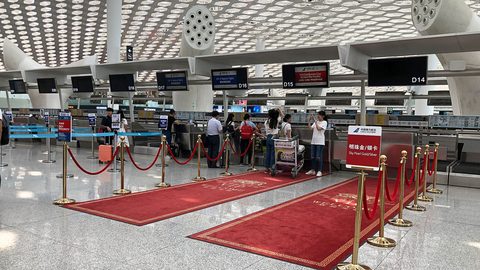 Flying to Anhui or Taking the Train From Shanghai Which Works Better
Flying into Tunxi puts you closest to the mountains, but the Shanghai to Huangshan North train often beats Hefei for total time.
Flying to Anhui or Taking the Train From Shanghai Which Works Better
Flying into Tunxi puts you closest to the mountains, but the Shanghai to Huangshan North train often beats Hefei for total time.
-
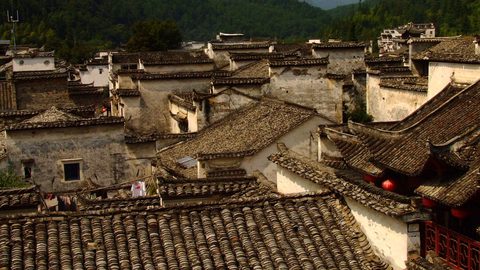 Things to Do in Anhui Beyond Huangshan and Hongcun
Beyond Huangshan, Anhui offers the Taoist Qiyun Shan, the Buddhist Jiuhua Shan, quiet villages like Chengkan, and Qimen black tea country.
Things to Do in Anhui Beyond Huangshan and Hongcun
Beyond Huangshan, Anhui offers the Taoist Qiyun Shan, the Buddhist Jiuhua Shan, quiet villages like Chengkan, and Qimen black tea country.
-
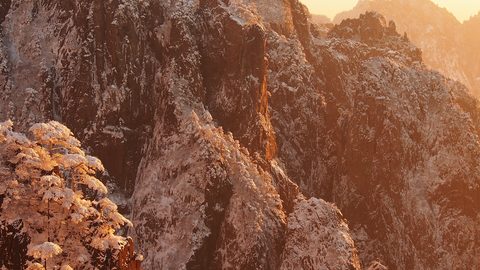 Best Time to Visit Anhui and Huangshan by Season
April–May and September–October offer the best Anhui weather, but avoid the first week of October and May for National Day and Labour Day crowds.
Best Time to Visit Anhui and Huangshan by Season
April–May and September–October offer the best Anhui weather, but avoid the first week of October and May for National Day and Labour Day crowds.
-
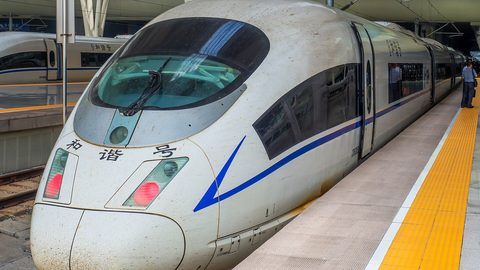 Getting Around Anhui from Shanghai, Hangzhou and Nanjing
High-speed rail from Shanghai, Hangzhou or Nanjing to Huangshan North is the practical gateway, but villages and trailheads need buses or local cars.
Getting Around Anhui from Shanghai, Hangzhou and Nanjing
High-speed rail from Shanghai, Hangzhou or Nanjing to Huangshan North is the practical gateway, but villages and trailheads need buses or local cars.
-
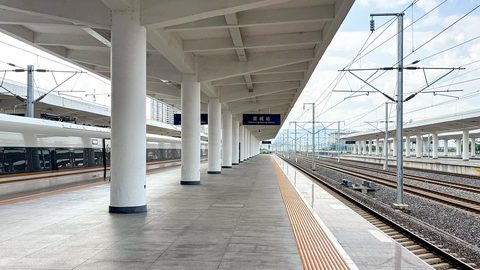 Xuancheng
What Xuancheng prefecture offers travellers moving between Huangshan and the Yangtze, from paper-making towns to quiet bamboo valleys.
Xuancheng
What Xuancheng prefecture offers travellers moving between Huangshan and the Yangtze, from paper-making towns to quiet bamboo valleys.
-
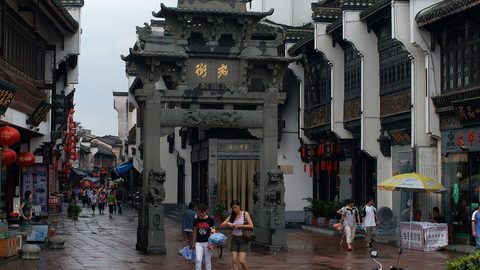 Huangshan City
Tunxi is not Anhui's prettiest town, but its rail station, bus hub and Old Street make it the most useful base.
Huangshan City
Tunxi is not Anhui's prettiest town, but its rail station, bus hub and Old Street make it the most useful base.
-
 Yixian
 county contains Hongcun and Xidi, but Bishan, Nanping and Guanlu reward travellers who stay longer and move slower.
Yixian
Yixian county contains Hongcun and Xidi, but Bishan, Nanping and Guanlu reward travellers who stay longer and move slower.