Staying Safe on Anhui Mountains and Rural Roads
Huangshan's granite steps, fast fog and holiday cable car queues pose risks that first-time Anhui visitors rarely anticipate.
Staying Safe on Anhui Mountains and Rural Roads
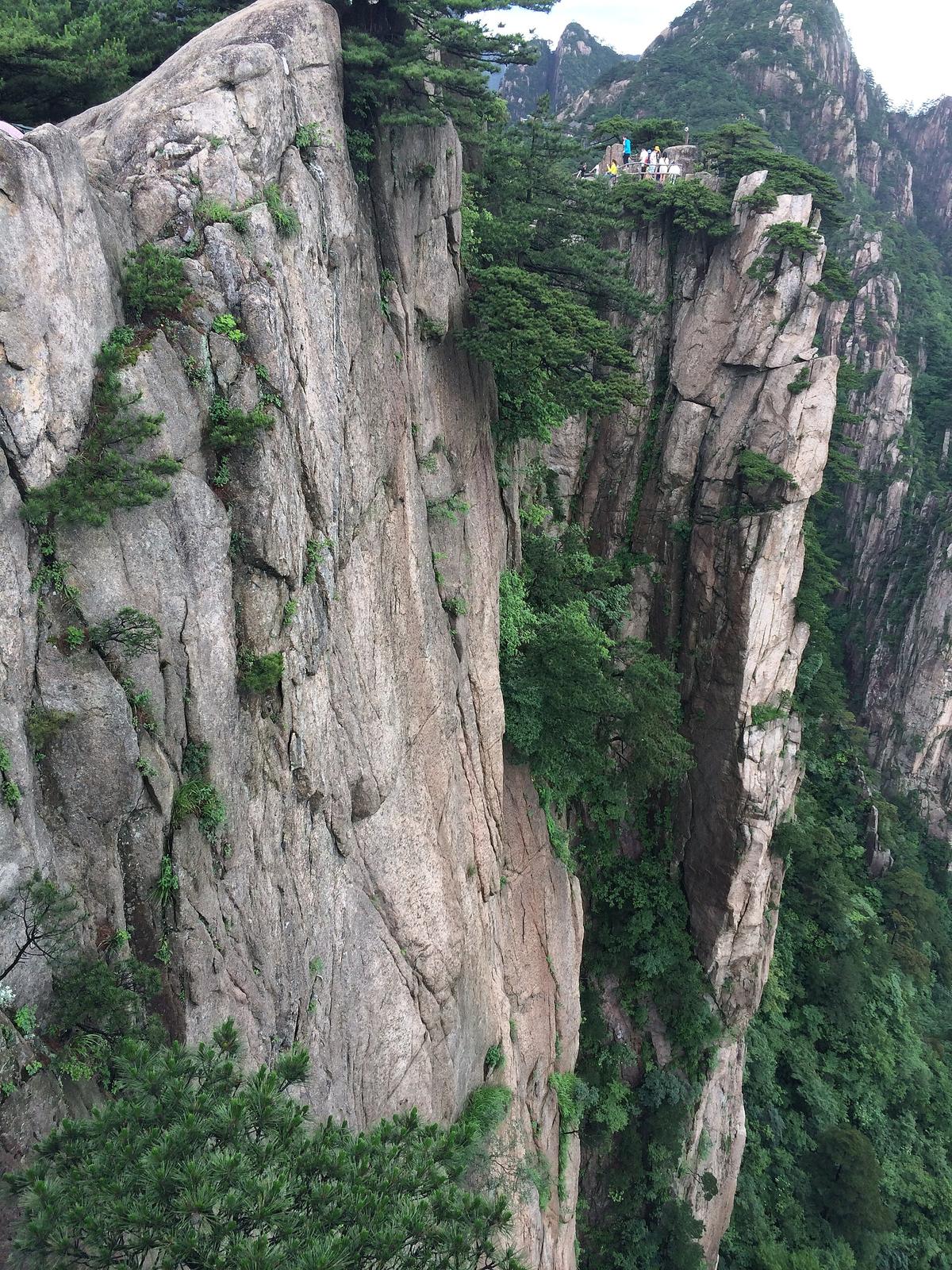
You are halfway up the eastern steps on Huangshan, 6.5 km from Yungu to White Goose Ridge, and the granite under your feet has turned black with water. The rain started twenty minutes ago. You have no walking poles, the railing is wet, and the step in front of you drops 1,100 vertical metres to the valley. This is the real risk on China's most famous mountain, and it is not the altitude. Lotus Peak tops out at 1,864 m, well below the 2,400 m threshold for acute mountain sickness. It is the combination of slick stone, 200 fog days per year, and 180 rainy days that makes Huangshan a genuinely hazardous day out.
Wet Stone is the Dominant Physical Risk on Huangshan
The main eastern steps route climbs approximately 1,100 m over roughly 6.5 km. The western route, from Mercy Light Pavilion to the Yuping area, is 7.5 km and rises 1,300 m. Both are cut from granite that becomes nearly frictionless when wet. The peak danger period is the plum rain season, roughly mid-June to mid-July, but any rain during your visit creates the same hazard.
How to Manage Slick Steps
Arrive at the Yungu or Mercy Light Pavilion entrance by 07:30, before the morning rain pattern develops. Carry a set of traction cleats for your shoes, even in spring. They cost less than ¥30 at any shop in Tangkou and weigh nothing. Buy them at the trailhead, not the summit, where prices double for a plastic-wrapped pair.
When the View Disappears
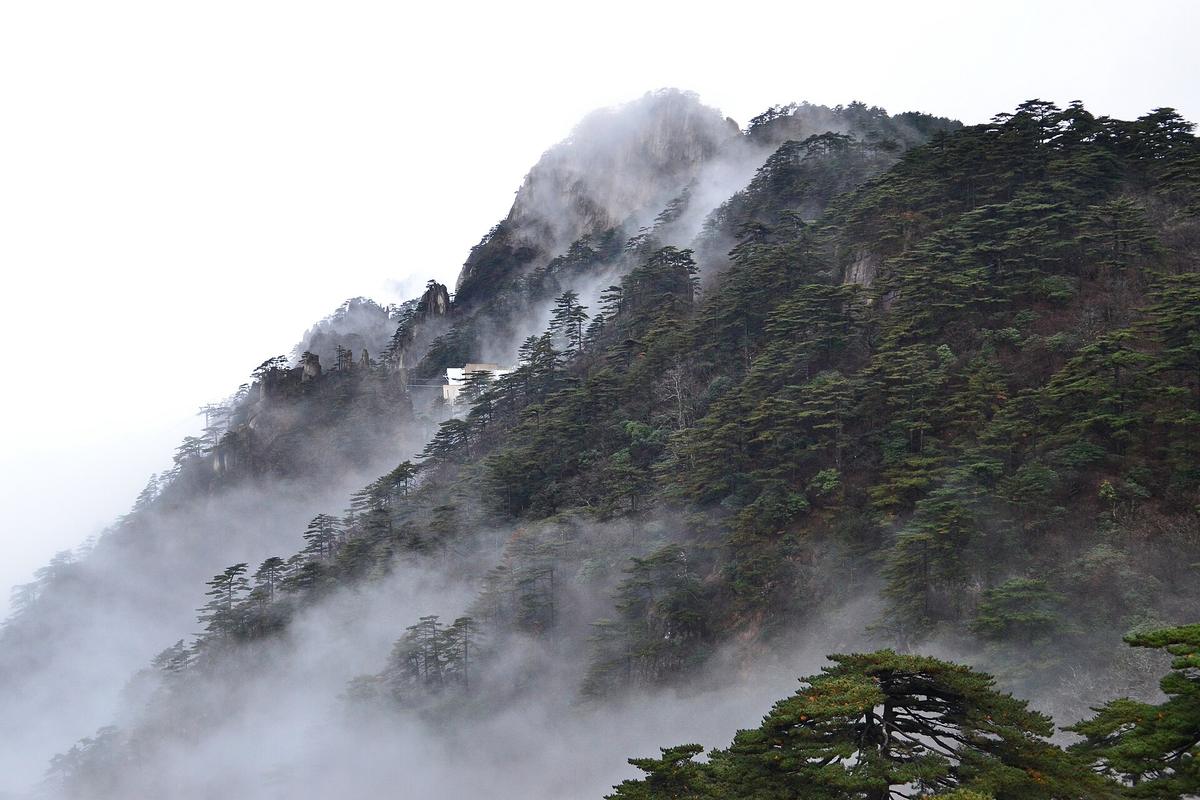
Fog rolls in on roughly 200 days a year. Visibility on Bright Summit or Lotus Peak can drop below 10 m in under five minutes. The failure case: you wait two hours at a summit viewpoint for a break that does not come. The fix: build a second day into your itinerary. Huangshan is not a day-trip mountain. If you have only one day and the summit is fogged in, pivot to a lower-elevation trail such as the West Sea Grand Canyon loop, where railings exist on the main path and the tree cover makes the fog feel less disorienting.

Cable Car Queue Crush on Holidays is a Physical Danger
The scenic area caps daily visitors at 50,000, dropping to 30,000 during major holidays. That limit is still large enough to create crushing crowds at the cable car stations. The worst periods are Chinese New Year, the Labour Day holiday (1, 5 May), and the National Day holiday (1, 7 October). Queues for the Yungu or Taiping cable car can stretch three hours or more, with no shade and no water refill points.
What to Do When the Queues Hit
Book your summit hotel at least 30 days ahead. The official Huangshan Scenic Area WeChat mini-program is the only booking channel. If the hotel is sold out, do not attempt a summit sunrise without one. Sleeping on the mountain outside designated hotels is not allowed and security patrols enforce it. The practical alternative: stay in Tangkou at the south entrance, enter the western steps loop at first cable car departure, and exit through the eastern steps before 14:00, when the downhill crowd peaks. Pre-purchase your cable car ticket online. Do not buy from a third-party vendor; the official QR code is the only ticket that scans reliably at the turnstile.
| Factor | What You Need to Know |
|---|---|
| Eastern steps distance | 6.5 km one way, Yungu to White Goose Ridge |
| Western steps distance | 7.5 km one way, Mercy Light Pavilion to Yuping |
| Cumulative ascent (east) | approx. 1,100 m |
| Cumulative ascent (west) | approx. 1,300 m |
| Highest summit | Lotus Peak, 1,864 m |
| Summit temperature July high | approx. 18°C |
| Summit temperature January low | approx. -6°C |
| Annual rainfall | approx. 2,400 mm |
| Fog days per year | approx. 200 |
| Rainy days per year | approx. 180 |
| Daily visitor cap (normal) | 50,000 |
| Daily visitor cap (major holidays) | 30,000 |
| Bottled water at trailhead | 2–5 CNY per 500 ml |
| Bottled water at summit | 10–20 CNY per 500 ml |
| Plum rain season | mid-June to mid-July |
| Snow/ice on steps | November to March |
| Typhoon rain period | July to September |

Rural Roads Require Pre-Arranged Cars, Not Hail Apps
Huangshan safety risks are not limited to the mountain. The distances between villages such as Hongcun, Xidi, and Chengkan are short on a map and long on the ground. Public buses run infrequently and their schedules are in Chinese only. Didi, the ride-hailing app that works reliably in Shanghai or Hangzhou, does not function in many rural parts of Anhui. In Shexian or Yixian county, the app returns no cars for a 20-minute trip to a village.
How to Get a Driver in Rural Anhui
Ask your guesthouse to call a local driver the night before. Expect to pay for a half-day, roughly three to four hours between villages. The driver will meet you at a specific point and will not speak English. Have your destination name written in Chinese characters on your phone screen. Pre-arranged cars are the only reliable option; do not count on finding a taxi on the roadside.
English Emergency Signage Is Almost Nonexistent
Emergency signs on Huangshan trails, at cable car stations, and along rural roads are overwhelmingly in Chinese. The lack of English signage is a real risk if you need to call for help. Store the number of the Huangshan Scenic Area emergency hotline, visible on the official ticket confirmation, and the number of your guesthouse before you set out. 4G coverage is good on the summit and in towns, but patchy in deep valleys and some rural villages. A VPN is required to access Google Maps or WhatsApp; without one, you cannot share a location through those apps.
Common Questions
What is the most common injury on Huangshan?
Slips on wet granite steps. The combination of 2,400 mm annual rainfall, 200 fog days, and 1,100 m of cumulative ascent on the eastern route means a fall is possible anywhere. Traction cleats for your shoes cost under ¥30 at Tangkou shops.
How do I avoid the cable car crowd crush?
Do not visit during Chinese New Year, Labour Day holiday (1, 5 May), or National Day holiday (1, 7 October). If you visit during those periods, arrive at the south entrance cable car by 06:30. The daily cap drops to 30,000 during holidays, but the queue still takes two to three hours.
What happens if fog blocks the view all day?
You cannot see the sea of clouds or the sunrise. The practical response: stay at a summit hotel and try the next morning. If you only have one day on the mountain, descend by midday and hike the West Sea Grand Canyon loop, where railings and tree cover make the fog less disorienting.
Can I sleep on the mountain without a hotel?
No. Security patrols enforce the rule against sleeping outside designated hotels. Summit hotels sell out at least 30 days ahead in peak season. Book through the official Huangshan Scenic Area WeChat mini-program.
Does Didi work in rural Anhui villages?
No. Didi does not reliably return cars in Shexian, Yixian, or near villages such as Hongcun. Ask your guesthouse to call a local driver the night before. Half-day rates are negotiable but expect to pay for three to four hours between villages.
Are there English emergency signs on Huangshan?
Almost none. Emergency instructions at trails, cable car stations, and rural roads are in Chinese only. Store the scenic area emergency hotline and your guesthouse number before you start hiking.
What medical kit should I bring for Huangshan?
Blister plasters, ibuprofen, and an antiseptic wipe. There are no pharmacies on the summit. Bottled water costs 10 to 20 CNY per 500 ml at the top, so carry 1.5 litres from the trailhead.
Read next
-
 Anhui Hotels from Huangshan Summit to Huizhou Courtyards
Huangshan summit hotels sell out weeks ahead and are the only legal way to sleep on the mountain; village guesthouses trade comfort for atmosphere.
Anhui Hotels from Huangshan Summit to Huizhou Courtyards
Huangshan summit hotels sell out weeks ahead and are the only legal way to sleep on the mountain; village guesthouses trade comfort for atmosphere.
-
 Where to Stay in Anhui for Huangshan and the Villages
Tunxi is the convenient transport hub, Tangkou suits hikers, summit hotels give sunrise access, and village courtyards offer atmosphere but less mobility.
Where to Stay in Anhui for Huangshan and the Villages
Tunxi is the convenient transport hub, Tangkou suits hikers, summit hotels give sunrise access, and village courtyards offer atmosphere but less mobility.
-
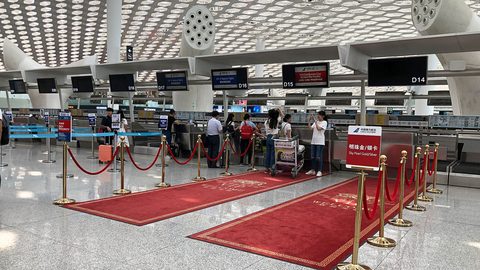 Flying to Anhui or Taking the Train From Shanghai Which Works Better
Flying into Tunxi puts you closest to the mountains, but the Shanghai to Huangshan North train often beats Hefei for total time.
Flying to Anhui or Taking the Train From Shanghai Which Works Better
Flying into Tunxi puts you closest to the mountains, but the Shanghai to Huangshan North train often beats Hefei for total time.
-
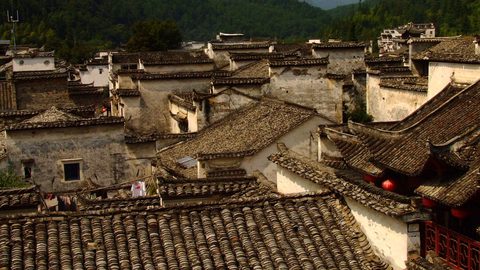 Things to Do in Anhui Beyond Huangshan and Hongcun
Beyond Huangshan, Anhui offers the Taoist Qiyun Shan, the Buddhist Jiuhua Shan, quiet villages like Chengkan, and Qimen black tea country.
Things to Do in Anhui Beyond Huangshan and Hongcun
Beyond Huangshan, Anhui offers the Taoist Qiyun Shan, the Buddhist Jiuhua Shan, quiet villages like Chengkan, and Qimen black tea country.
-
 Best Time to Visit Anhui and Huangshan by Season
April–May and September–October offer the best Anhui weather, but avoid the first week of October and May for National Day and Labour Day crowds.
Best Time to Visit Anhui and Huangshan by Season
April–May and September–October offer the best Anhui weather, but avoid the first week of October and May for National Day and Labour Day crowds.
-
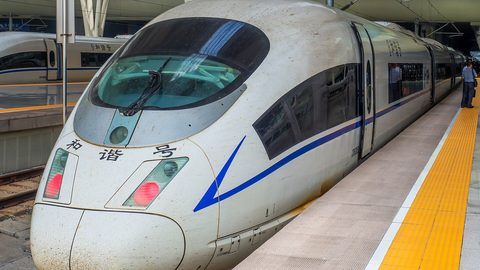 Getting Around Anhui from Shanghai, Hangzhou and Nanjing
High-speed rail from Shanghai, Hangzhou or Nanjing to Huangshan North is the practical gateway, but villages and trailheads need buses or local cars.
Getting Around Anhui from Shanghai, Hangzhou and Nanjing
High-speed rail from Shanghai, Hangzhou or Nanjing to Huangshan North is the practical gateway, but villages and trailheads need buses or local cars.
-
 Huangshan (Yellow Mountain)
Huangshan's south gate, cable car choices and summit loop explained, so you can plan a realistic one- or two-day mountain route.
Huangshan (Yellow Mountain)
Huangshan's south gate, cable car choices and summit loop explained, so you can plan a realistic one- or two-day mountain route.
-
 Xuancheng
What Xuancheng prefecture offers travellers moving between Huangshan and the Yangtze, from paper-making towns to quiet bamboo valleys.
Xuancheng
What Xuancheng prefecture offers travellers moving between Huangshan and the Yangtze, from paper-making towns to quiet bamboo valleys.
-
 Huangshan City
Tunxi is not Anhui's prettiest town, but its rail station, bus hub and Old Street make it the most useful base.
Huangshan City
Tunxi is not Anhui's prettiest town, but its rail station, bus hub and Old Street make it the most useful base.